Cape Town: Where to stay and what to do for a memorable visit
Cape Town is a diverse city that blends sweeping coastline with dramatic mountain scenery, historic neighbourhoods and world‑class dining. For travellers seeking a comfortable base with the option to self‑cater, self‑catering lodges and guesthouses offer a flexible, relaxed way to explore the Western Cape’s capital. A practical approach to booking helps you balance location, amenities and budget while ensuring easy access to the city’s highlights.
Accommodation in Cape Town typically divides into several key areas, each offering a distinct flavour. The V&A Waterfront and the central city (often referred to as the City Bowl) are ideal for first‑time visitors who want easy access to tours, restaurants and nightlife. The Atlantic Seaboard, including areas such as Camps Bay and Bantry Bay, delivers breathtaking sea views and a resort ambience, while the neighbourhoods around Green Point and De Waterkant provide a lively mix of cafés and bars within a compact radius. For wine lovers and more tranquil scenery, Constantia and the Southern Peninsula (including Hout Bay and Kalk Bay) are convenient for day trips to the winelands and coastal villages. If you are seeking a more intimate, residential feel, a self‑catering lodge or guesthouse near these areas can be ideal.
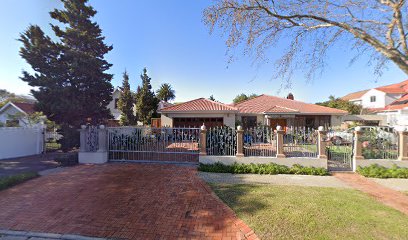
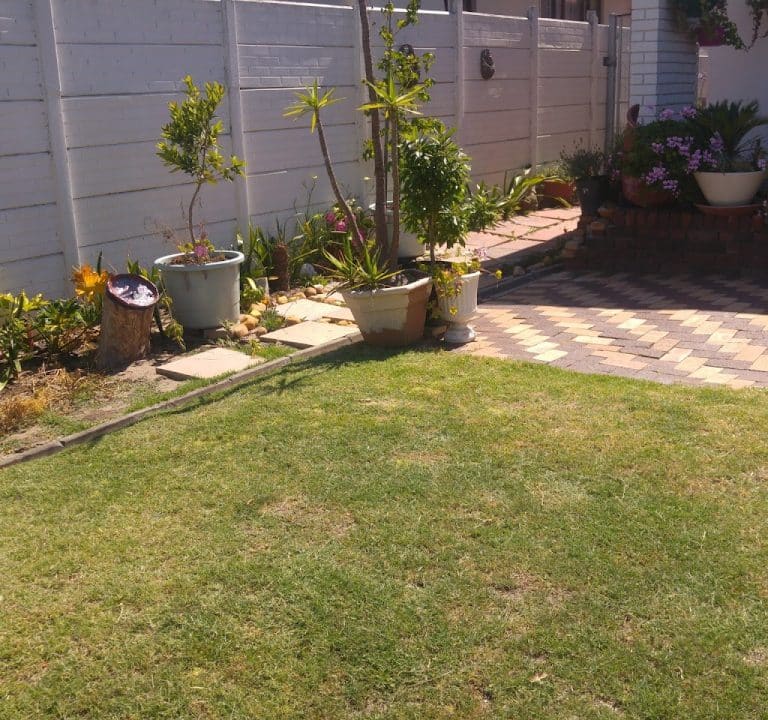
When booking, start by considering how you plan to spend your days. If your focus is city sightseeing and easy walks to markets and museums, a well‑located apartment or suite in the City Bowl or near the V&A Waterfront reduces travel time. If you want dramatic views and beach access, look to the Atlantic Seaboard or Clifton/Camps Bay. For longer stays with self‑catering facilities, a well‑equipped kitchen, laundry access, and secure parking can be game‑changers. Invergara Lodge, a self‑catering option in the region, illustrates how a well‑appointed suite with outside space and kitchen facilities can suit changing weather and varied itineraries while keeping you connected to Cape Town’s energy.
Typical amenities to look for include reliable Wi‑Fi, heating or air‑conditioning, adequate cooking facilities, a private or dedicated space for dining, laundry facilities, secure parking, and clear information about access and security. A lounge or communal area, outdoor terraces, and a braai or barbecue setup are popular in South Africa and make evenings at home feel relaxed after a day of exploring. Check whether the accommodation provides fresh bed linen and towels, and whether it offers housekeeping on a weekly basis for longer stays. If you’re renting a self‑catering unit, confirm what groceries are convenient in the area and whether there is a nearby supermarket or convenience shop open on your preferred days.
Transport considerations are important in Cape Town. The city’s MyCiTi bus network can cover many routes between the city centre, the Waterfront, and some coastal suburbs, but a car hire or rideshare service remains useful for trips to Constantia, the winelands, or remote beaches. If you’re staying near the City Bowl or the Waterfront, it’s feasible to walk shorter distances, but plan for hilly streets and weather changes. For day trips to Cape Point, the Cape Winelands, or Boulders Beach’s penguin colony, a flexible transport plan—whether a private transfer, organised tour, or a rental car—will save time and reduce stress.
The best time to visit Cape Town depends on what you want from your trip. The summer months (roughly November to March) bring long days, lively streets and excellent beach weather, but can be busy with both international and domestic travellers. Shoulder seasons, such as spring and autumn, often offer milder temperatures, fewer crowds and good conditions for hiking Table Mountain and exploring the Constantia valley. Winter (June to August) tends to be cooler and wetter, yet it can be a cosy time to enjoy indoor attractions, museums and wine estates with fewer visitors. Regardless of the season, plan for strong sun and sea breezes, and always check the local weather forecast before outdoor excursions.
When it comes to activities, Cape Town’s range is broad. Nature lovers will relish a Table Mountain ascent (by cable car or via hiking routes), scenic coastal walks, and botanical gardens. The Cape Peninsula’s coastal drive is a classic, offering dramatic viewpoints and the chance to see penguins at Boulders Beach if you visit the southern suburbs. Day trips to the wine estates of Constantia and the broader Winelands region are popular for excellent tastings and elegant tastings rooms, with many estates offering picnics or light meals amid vineyard scenery. For culture and history, Robben Island tours, museums, and galleries provide insight into South Africa’s past. In terms of dining, Cape Town’s restaurant scene emphasises seafood, modern African flavours, and farm‑to‑table experiences; most venues offer a relaxed atmosphere and a focus on seasonal produce rather than opulent formality.
Practical tips to help you plan smoother stays:
- Choose accommodation with clear, recent guest reviews focused on the aspects that matter to you (location, cleanliness, host responsiveness, and access to amenities).
- Factor in travel time to your chosen activities and allow for waterfront traffic or mountain road closures in your itinerary.
- Pack layers, sun protection and a light waterproof layer for variable Cape Town weather, especially if you plan outdoor excursions.
- Respect safety guidelines and store valuables securely; while Cape Town is welcoming, normal travel precautions apply.
- Keep a flexible schedule to accommodate weather changes or last‑minute opportunities, such as market days or harbour tours.
For travellers seeking a practical stay with the comforts of home, self‑catering options provide that balance between privacy and flexibility. An established property such as Invergara Lodge offers a sample of how a well‑appointed, self‑catering stay can support varied itineraries while remaining connected to Cape Town’s vibrant surroundings. Learn more about such options and plan your route to the city’s highlights via your chosen accommodation’s website: http://www.invergara.co.za/.