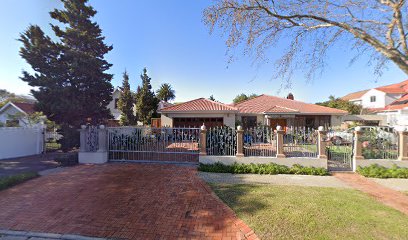
Crescent Guesthouse is a Lodge establishment in Cape Town, Western Cape, South Africa
Cape Town
Western Cape
7405
South Africa
Accommodation and Attractions in Cape Town: A Traveller’s Guide to Planning a Memorable Stay
Cape Town is a city of spectacular contrasts, where dramatic from-the-tabletop scenery meets vibrant street life, world-class dining, and a tapestry of neighbourhoods to explore. When planning a stay, it helps to balance accommodation with proximity to the attractions you most want to enjoy, as well as easy access to transport links for day trips along the coast or into the surrounding winelands. The following overview offers tips on where to stay, what to look for when booking, typical amenities, transport options, and practical considerations to help you plan a memorable visit to the Western Cape.
Areas to consider for your base include:
- City Bowl and the Central Waterfront: Central for easy access to Table Mountain, the V&A Waterfront, museums and a concentration of eateries. Lodges and guesthouses in this area often offer stylish rooms and convenient footfall to cafés, markets, and cultural attractions.
- Camps Bay and the Atlantic Seaboard: For dramatic beaches and sunset views, this area suits travellers seeking a seaside ambience with a cosmopolitan restaurant scene. Expect stylish boutique hotels and contemporary guesthouses with sea-facing rooms.
- Green Point and Sea Point: A popular midpoint between the city centre and the beaches, with a mix of boutique lodges and guesthouses. It’s handy for coastal walks, the promenade, and easy access to MyCiTi bus services.
- Constantia Valley and the southern suburbs: Ideal for those who want a quieter stay within reach of leafy wine estates and table-based dining, with several lodges and guesthouses tucked into serene streets.
- Hout Bay and the Atlantic coast: Great for families or travellers seeking a quieter village atmosphere close to the harbour, with access to boat trips and coastal scenery.
What to look for when booking:
- Location relative to your planned activities: If you intend to spend long days on the mountain or touring Cape Peninsula, a base near the hub of activity with good transport links can reduce travel time.
- Room configurations and privacy: Check whether en-suite bathrooms, seating areas, and natural light meet your needs, particularly for longer stays.
- Facilities and amenities: Common positives include reliable wifi, secure parking, a well-equipped kitchenette or self-catering options, and on-site or nearby dining choices.
- Access to transport: Proximity to major bus routes, rideshare pickup points, or car-hire services makes day trips easier, especially for visitors planning multiple excursions.
- Safety and neighbourhood character: Look for well-lit streets, a clear reception area, and reviews that mention courteous staff and responsive management.
Typical amenities you may encounter include:
- Comfortable en-suite rooms with wholesome bedding and climate control
- Shared or private lounges, gardens, or terraces for relaxing after a day of touring
- Breakfast options ranging from continental to full cooked offerings, sometimes with organic or locally sourced ingredients
- Free or paid parking, secure access, and, in some cases, kitchen facilities for self-catering
- Concierge-style services such as recommendations for local experiences, restaurant bookings, and day trips
Transport and getting around:
Cape Town’s geography means a mix of walking, hiking, and coastal driving, so choosing a stay with straightforward access to public transport or easy car hire can save time. The MyCiTi bus network offers an affordable, relatively straightforward way to reach key sights and beaches from many guesthouses and lodges. For more flexibility, many travellers opt to hire a car for day trips to the Cape Winelands, the Cape Peninsula, and Stellenbosch. When using rideshare services, plan a route in advance and be mindful of peak traffic times, especially during the summer season and at popular viewpoints.
Best time to visit and practical seasonal tips:
- Spring (September to November) and autumn (March to May) are often ideal for comfortable weather, fewer crowds, and good wildlife and scenery without peak heat.
- Winter offers cooler days and the possibility of rain, but it can be a good time to enjoy city culture, shopping, and cosy dining experiences.
- Summer (December to February) brings longer daylight and busy beaches; book well in advance for popular areas and plan early morning or late-afternoon excursions to beat crowds.
Attractions and experiences in broad terms:
Cape Town, even in general terms, offers a wealth of accessible experiences. Iconic natural sights like Table Mountain with its cableway or hiking trails provide breathtaking views of the city and coastline. The nearby Cape Peninsula route offers dramatic coastal scenery, while Kirstenbosch National Botanical Garden presents a strong botanical contrast to the maritime climate. The city's harbour area and the historic Robben Island are often featured as important historical and cultural experiences. In addition to natural spectacles, the city’s neighbourhoods reveal a spectrum of architectural styles, markets, galleries, and a thriving dining scene. To the east and inland, the Cape Winelands region presents wine estates and culinary offerings framed by rolling vineyards and mountain backdrops. The mix of water, mountain, and urban life makes Cape Town a balanced destination for a layered itinerary.
Dining and local flavours (in broad terms):
South African cuisine is diverse, with influences from coastal, rural, and urban traditions. In Cape Town you can expect seafood-focused menus near the coast, vibrant casual eateries in neighbourhoods, and refined dining rooms within boutique hotels and lodges. Look for eateries that celebrate seasonal produce, simply prepared dishes, and a sense of place through ingredients or regional wines. It is common to find menus that emphasise fresh seafood, grilled meats, vegetables, and bold flavours. Always consider reserving ahead for popular venues, and be mindful of dress codes for higher-end establishments.
Accommodation such as Crescent Guesthouse, a lodge-style option, can provide a cosy base with a sense of locality and personalised service. When staying at places like Crescent Guesthouse or similar lodges, guests often appreciate properties that feel intimate, offer easy access to the city’s highlights, and provide guidance on local experiences—from markets and coastal walks to scenic drives and winery visits.
Practical tips for a smooth stay:
- Read recent guest reviews to gauge consistency of service and any changes in facilities.
- Book early for peak months; consider shoulder seasons for better value and fewer crowds.
- Ask hosts or staff for tailored day plans, including walking routes, viewpoint timings, and dining reservations.
- Respect local customs and safety guidelines, particularly when visiting busy tourist spots or remote beaches.
- Pack layers, sun protection, comfortable footwear, and a small daypack for outdoor excursions.
With thoughtful planning, Cape Town can offer a stay that blends comfortable accommodation with access to natural wonders, historic landmarks, and a dynamic culinary scene. Whether you choose a lodge in a tranquil suburb, a boutique guesthouse near the waterfront, or a stylish stay closer to Table Mountain, the city’s neighbourhoods provide a framework for an engaging and enriching visit.
Sorry, no records were found. Please adjust your search criteria and try again.
Sorry, unable to load the Maps API.
Why Claim Your Listing?
Claiming your listing on the B&B Finder directory website is a valuable opportunity for business owners. Here are five reasons why you should consider claiming your listings:
Control Over Business Information: By claiming their listing, business owners can ensure that all the information presented is accurate and up-to-date. This includes details such as contact information, address, pricing, and available services or amenities. Accurate information helps prevent customer confusion and improves overall satisfaction.
Enhance the Listing: Once a listing is claimed, owners can enhance it by adding more comprehensive information and rich media, like high-quality photos and videos. These additions can make the listing more attractive and engaging to potential customers, thereby increasing the likelihood of bookings.
Marketing Opportunities: Claiming a listing can also open up additional marketing opportunities. Owners may be able to participate in promotional campaigns, special offers, and other marketing activities organized by the directory. This can increase visibility and attract more customers to the business.