Discovering Cape Town: accommodation, attractions and planning your stay
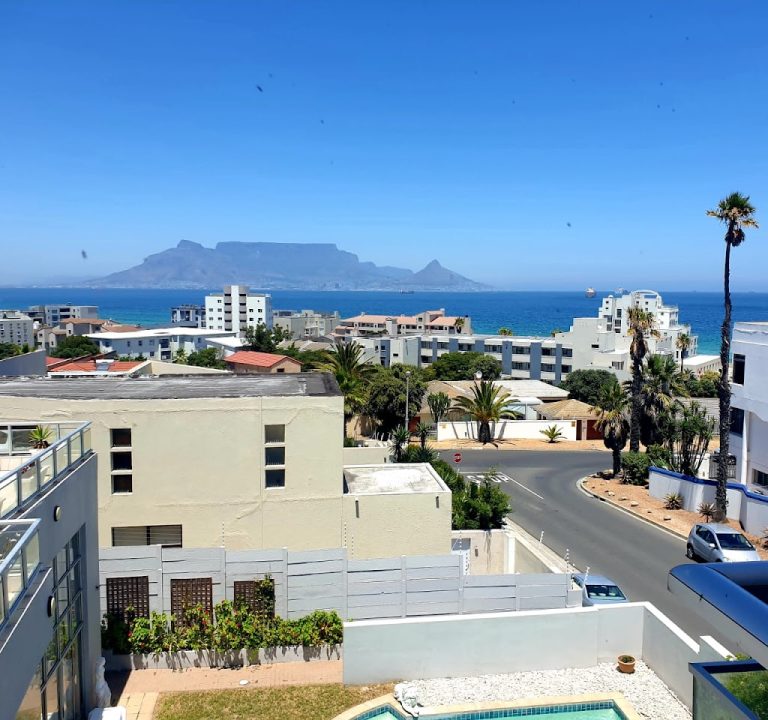
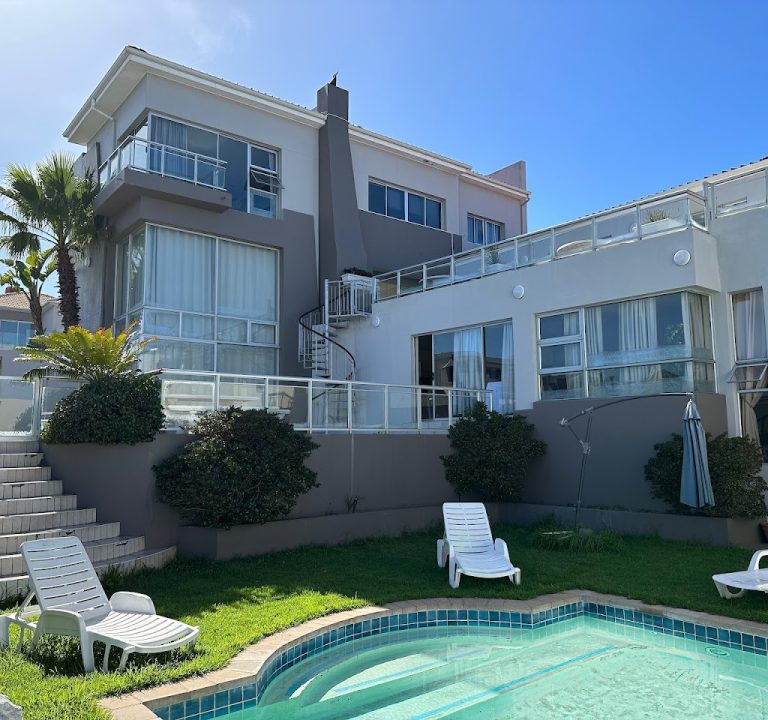
Cape Town offers a diverse tapestry of neighbourhoods and landscapes, from sun-washed beaches to dramatic mountain scenery. Choosing the right home base is key to a relaxed and immersive visit. Whether you prefer waking to ocean views, waking up in a historic precinct, or being steps from buzzing cafés, there are options to fit every style and budget. If you’re seeking a boutique feel with a touch of elegance, The Palazzo Blouberg Guesthouse stands as a stylish example of a guesthouse option in the city’s broader coastal area.
When planning your stay, consider what you want to see and how you’ll get around. The city’s geography means many attractions cluster around a few core areas, while others offer quieter, leafy streets and easy access to nature. A practical approach is to mix a central, well-connected base with a more relaxed or scenic stay for part of your trip.
Areas to consider
- The City Bowl and Gardens: close to the central sights, museums, galleries and historic avenues, with a mix of guesthouses, boutique hotels and self‑catering apartments.
- Camps Bay and Clifton: picture-perfect beaches, upscale dining and stylish properties with sea views; great for sunset walks and coastal restaurants.
- Green Point and Mouille Point: a lively, walkable zone with easy access to the V&A Waterfront, parks and coastal paths.
- Sea Point and Bloubergstrand: convenient transport links, a broad choice of guesthouses and hotels, and direct access to the Atlantic promenade.
- Constantia and Kirstenbosch: for a more tranquil, wine‑country feel with leafy streets, boutique guesthouses and self-contained cottages.
- Camps Bay or Llandudno: for epic mountain-to-sea scenery and a slower pace, ideal if you’re after a contemplative escape.
Booking tips and what to look for
- Room configuration and privacy: check whether en suite bathrooms, private entrances, or shared spaces suit your group.
- Amenities that matter: reliable Wi‑Fi, air conditioning or heating, ample storage, secure parking, and self‑catering facilities if you prefer flexibility.
- Freshness and maintenance: good lighting, clean lines, functional bathrooms, and consistent housekeeping can make a big difference.
- Public space and social atmosphere: some guesthouses offer shared lounges, terraces, or balconies with opportunities to meet other travellers; others prioritise intimate, private stays.
- Access and transport: proximity to MyCiTi routes, major roads, or shuttle options is helpful if you don’t plan to rent a car. In many areas, Uber and ride-hailing services are convenient, though a car offers the most freedom for exploring suburban and winelands routes.
- Safety considerations: choose well‑lit entrances, secure parking, and properties with appropriate security measures. Read recent guest reviews for practical insights on neighbourhood safety and quiet hours.
Typical amenities you may encounter
- Breakfast options ranging from continental to full cooked meals, often included or offered as a guesthouse perk.
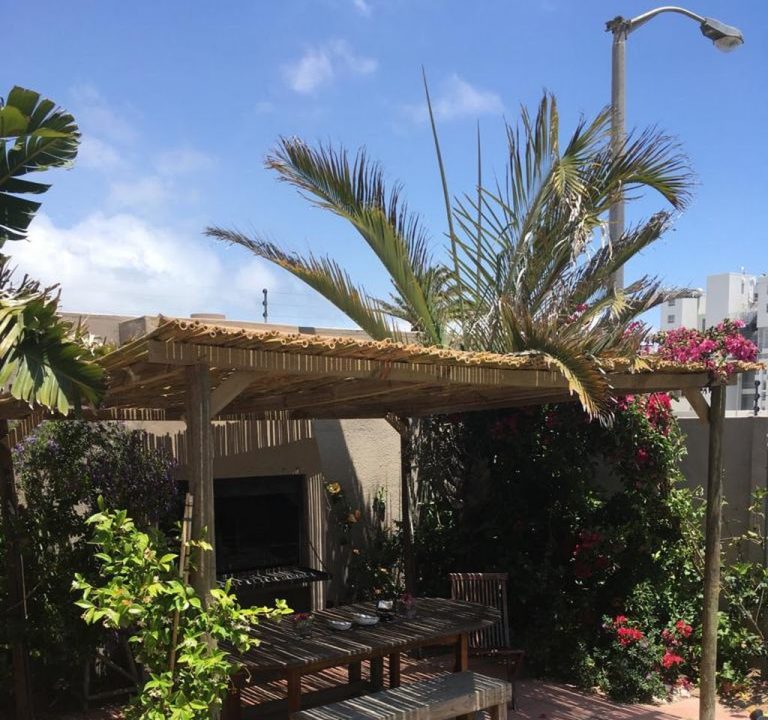
- Comfortable communal spaces, book libraries, or shaded courtyards for a relaxed morning or evening.
- Thoughtful touches such as coffee stations, tea trays, and good-quality linens.
- Private terraces or balconies with seating to enjoy sea breezes or mountain views.
- In-room amenities like flatscreen TVs, hairdryers, clock radios, and international power adaptors.
- On-site parking or secured access, with some properties offering electric vehicle charging as an extra convenience.
Transport and getting around
- Public transport: Cape Town’s MyCiTi bus network covers many tourist areas, making it practical to travel between the city bowl, V&A Waterfront and southern suburbs.
- Taxis and ride-hailing: widely available; convenient for evening outings and trips to larger parklands or the wine routes.
- Car hire: offers maximum flexibility, especially if you plan day trips to the Cape Winelands, Cape Point, or coastal towns.
- Walking and cycling: many neighbourhoods are walkable, and some guesthouses provide bicycles for exploring safer seaside promenades.
Best time to visit
- The spring (September to November) and autumn (March to May) offer mild weather, fewer crowds, and vibrant outdoor experiences.
- Summer (December to February) brings longer days, beach-friendly conditions and lively coastal scenes, but can be busier and pricier.
- Winter (June to August) is cooler and wetter, yet still pleasant for city strolls, museum visits, and enjoying comforting dining experiences.
- Coastal weather can be variable; packing a light rain jacket and a layered wardrobe helps in all seasons.
Practical tips for a smooth stay
- Plan your days around geography: cluster activities by proximity to your base to minimise daily travel time.
- Make restaurant reservations in advance for popular venues, especially during peak seasons.
- Bring adapters compatible with South Africa’s plug types, and pack a compact umbrella for sudden showers.
- Respect local safety norms: keep valuables discreet, use trusted transit options after dark, and stay aware of your surroundings.
- Check cancellation policies and whether breakfast or other amenities are subject to seasonal changes.
Dining and experiences in general terms
Cape Town’s dining scene ranges from casual coffee spots and bistro meals to refined tasting menus. Many districts offer diverse culinary options that reflect South Africa’s multicultural heritage, with menus featuring seafood, grilled fare, and vibrant vegetables sourced from nearby farms. For experiences, visitors often combine a coastal stroll with a visit to a viewpoint or reserve, a museum visit, or a guided walk that explains the city’s history and natural beauty. After a day of sightseeing, a sunset walk along the promenade, a quiet glass of wine at a local cellar door, or a relaxed meal with view over the water are popular ways to unwind.
In summary, Cape Town rewards planning and a flexible approach to where you stay. By choosing a neighbourhood that aligns with your interests, weighing the amenities you need, and considering transport options, you can craft a balanced itinerary that weaves together accommodation, sightseeing, and delicious meals into an unforgettable South African stay. If considering a stay at The Palazzo Blouberg Guesthouse, you’ll find a refined base with easy access to iconic beaches and scenic routes, suitable for a memorable Cape Town escape.