Accommodation and Experiences in Cape Town: Where to Stay and What to Do
Cape Town offers a diverse mix of places to stay, from intimate guest houses to stylish hotels and self‑catering flats with dramatic views of the ocean or mountains. When planning a stay, consider which area aligns with your interests, how you will get around, and what kind of amenities will make your visit comfortable and easy. A good approach is to identify a base that minimises daily travel while giving you convenient access to attractions, beaches and great dining.
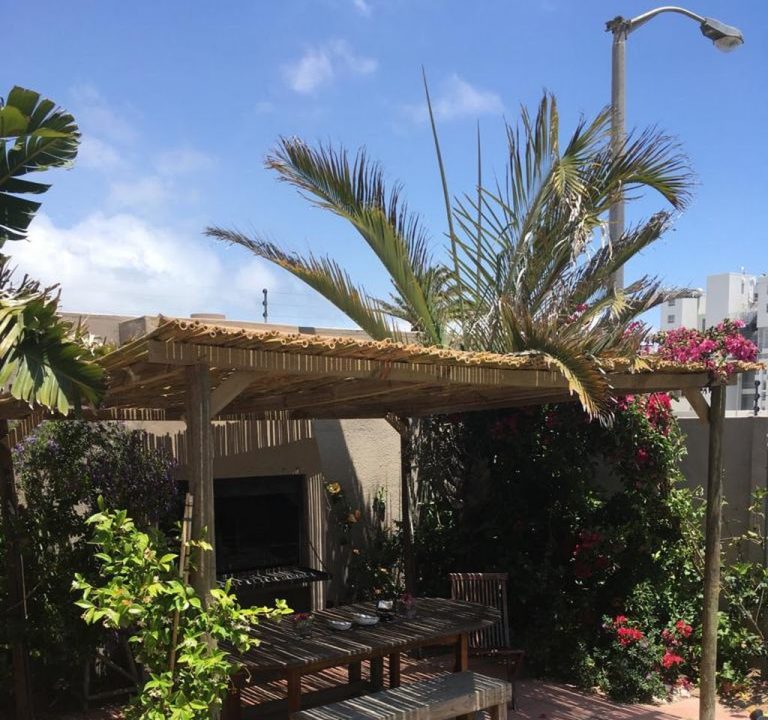
One example of a guest house you might encounter in the area is a property such as Melmetco West Beach House, located near the Atlantic coastline. A stay in such a residence can offer a calmer, more personalised atmosphere than larger hotels, often with breakfast options and a friendly, locally informed welcome. While the exact services vary, many guest houses in Cape Town emphasise warm hospitality, clean, comfortable rooms and a focus on convenient access to popular routes and sights.
Areas to consider include the V&A Waterfront and the central City Bowl for ease of access to museums, markets and restaurants, or the Atlantic Seaboard and Camps Bay for coastal scenery and sunset walks. Constantia offers leafy tranquillity and access to wine routes, while the southern suburbs provide a quieter, more residential feel with easy routes to the Peninsula’s famous parks and lookouts. When choosing accommodation, think about proximity to your planned activities, whether you want a sunrise view over the ocean, quick access to a ferry or a short ride to a mountain trail.
Typical amenities you may encounter while booking Cape Town stays include free Wi‑Fi, on‑site parking, breakfast options (ranging from continental to full hot breakfasts), comfortable en suite rooms, air conditioning or ceiling fans, and in some cases a private balcony or pool area. Many boutique guest houses offer a more personalised touch, such as locally sourced culinary choices, guidance on day trips, and interior design that reflects Cape Town’s coastal and mountain character. If you’re travelling with a family or a group, look for spacious rooms or suites, kitchen facilities, and common areas where everyone can gather.
Transport is an important consideration. Cape Town’s MyCiTi bus network is a convenient option for many travellers, while Uber and ride‑hailing services provide flexibility for late nights or airport transfers. If your accommodation is near the coast, you may enjoy scenic walks along the shoreline, but plan for longer rides during peak traffic times. Some guest houses can arrange guided tours or provide curated recommendations for restaurants, markets, and experiences that highlight local culture and cuisine without requiring you to venture far from your base.
Best time to visit Cape Town generally aligns with comfortable temperatures and lower rainfall. The summer months (roughly November to February) bring long days, sea breezes and vibrant outdoor life, while late spring and early autumn (September to November and March to May) offer pleasant conditions and fewer crowds. Winter (June to August) can be cooler and windy, yet it is still a great time to explore museums, galleries and wine tastings within easy reach of the city, often with lower accommodation rates outside peak holiday periods. If you plan outdoor activities such as hiking or coastal walks, check the weather forecast and be prepared with layers for sudden changes in wind or temperature.
When planning excursions, you will likely want to balance natural beauty with culture and cuisine. The city and its surroundings offer spectacular landscapes: a table‑top mountain backdrop, rugged coastlines, and nature reserves that are easily accessible from well‑located bases. In town, you can expect a range of dining options reflecting Cape Town’s multicultural influences, from casual eateries with seafood and bistro fare to more refined venues that showcase local ingredients. Restaurants often prioritise seafood, fresh produce from the Western Cape and seasonal menus; many offer outdoor seating with harbour or terrace views, which can be especially appealing in good weather.
Practical tips to ensure a smooth stay:
- Book in advance for peak seasons and popular areas, particularly if you want a seafront option or a guest house with a strong local network.
- Check cancellation policies and whether breakfast or parking is included in the rate.
- Assess the available transport links from your accommodation to your planned attractions and dining areas.
- Consider safety and personal belongings; choose well‑reviewed places with secure access and on‑site staff or hosts who can provide local insight.
- Pack flexible clothing to accommodate coastal breezes and potential weather changes. A light waterproof layer can be useful for sea days.
Overall, Cape Town rewards travellers who blend a comfortable base with well‑chosen day trips. Whether you choose a cosy guest house in a quieter neighbourhood or a stylish stay near the buzz of the city, you’ll find that planning around transport, time of year and your must‑see sights helps create a memorable visit. With mindful selection of accommodation and a flexible itinerary, you can enjoy a balanced blend of relaxation, culture and coastal adventures that make Cape Town a standout destination in the Western Cape.