Cape Town: Accommodation and Experiences for a Memorable Stay
Cape Town, in the Western Cape, offers a mix of dramatic scenery, vibrant neighbourhoods and a range of places to rest your head after days spent exploring. From self-catering apartments with sea views to boutique guesthouses perched above city streets, there are options to suit every pace and budget. When planning a stay, it helps to think in terms of neighbourhoods, transport needs, and how you want to balance time between iconic sights and quieter corners of the city.
Neighbourhoods to consider include the Atlantic Seaboard, where cliff-top viewpoints, safe beaches and chic eateries are common; the cosmopolitan City Bowl, known for its compact streets, cafes and easy access to museums; and the Constantia Valley, offering wine estates and lawns in a more relaxed, greenery-filled setting. For those seeking an accessible base close to the water, Bloubergstrand and nearby suburbs provide dramatic sea panoramas and breezy self-catering options. When researching accommodation, look for a clear description of the surroundings, nearby transport links, and whether the space offers self-catering facilities, laundry, parking and security arrangements.
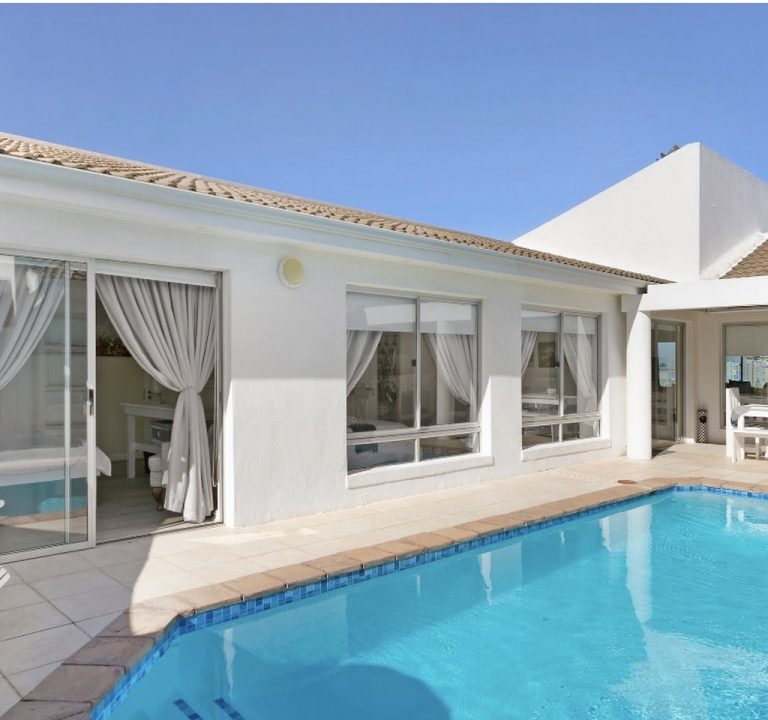
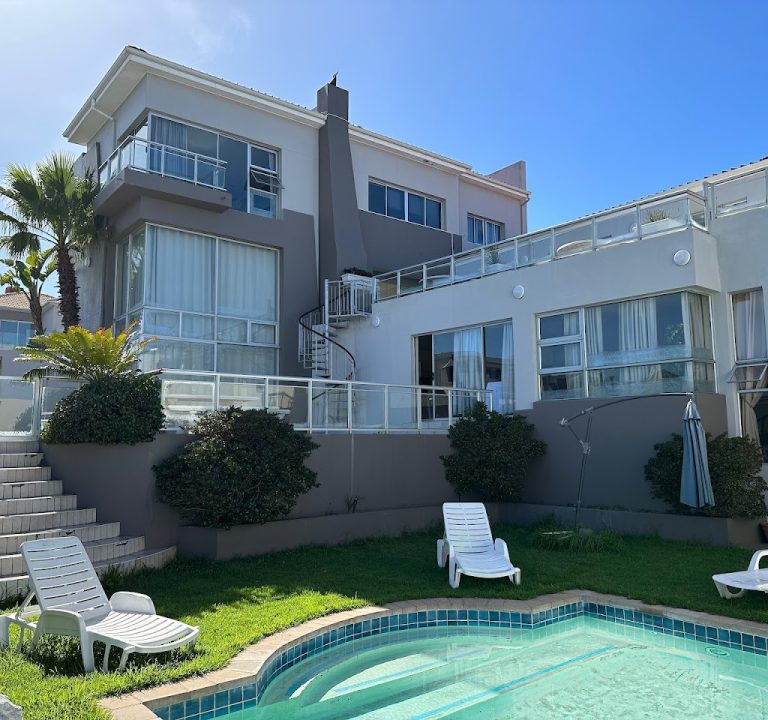
Typical amenities in Cape Town properties include fully equipped kitchens or kitchenettes, reliable Wi-Fi, preserved outdoor spaces or balconies with views, and practical touches such as heated rooms for winter travellers or fans for summer heat. Guesthouses and boutique hotels often emphasise a momento of local character—whether through interior design, curated breakfast experiences, or staff who can offer personalised tips about what to see and where to eat. For longer stays, self-catering options such as the one offered by J’S Audacious Living Bloubergstrand can provide flexible schedules and the space to settle in as if you were at home. More about such options can be found on the property’s official site: http://jsaudaciousliving.com/.
Booking wisely means considering a few practical factors. First, proximity to desired activities matters: if you plan to hike Table Mountain or spend afternoons on the beaches, look for a base within reasonable walking distance or with easy access to reliable public transport. Car hire offers flexibility to explore beyond the city, including constantia wine routes and coastal drives. If you prefer public transport, check whether the listing mentions proximity to MyCiTi bus routes or other convenient services. Noise levels, security arrangements and access to off-street parking are also worth confirming, especially in busy urban areas. Finally, read cancellation policies and guest reviews to gauge consistency in service and cleanliness across different seasons.
When planning the daily rhythm of a Cape Town stay, you’ll likely split time between natural beauty, urban culture and delightful dining. Iconic attractions sit within easy reach: a ride up or a hike along Table Mountain provides sweeping views of the city and harbour; Robben Island visits offer a tangible link to the country’s recent history; and the Cape Peninsula’s dramatic coastline, including stops along Chapman’s Peak or the Cape Point reserve, makes for memorable day trips. Gardens lovers may spend mornings wandering Kirstenbosch National Botanical Garden, while wine enthusiasts can easily arrange a tour of nearby Constantia or Stellenbosch estates. Evening plans can range from sunset strolls along the beaches to dining at restaurants that highlight South African flavours with contemporary twists. Restaurants in Cape Town are often rooted in local produce, with menus that celebrate seafood, grill dishes and green-focused fare, while offering relaxed or refined atmospheres depending on the neighbourhood.
Best time to visit Cape Town spans spring and autumn, when conditions are mild and the city is less crowded than peak summer. However, the coastal breeze and the mountains’ microclimates mean you should pack for a range of conditions. Summer (December to February) brings warm days and lively outdoor scenes, while winter (June to August) can be cool and windy, though many attractions remain accessible with indoor options available. Shoulder seasons often provide excellent value and pleasant temperatures for sightseeing and hiking. If you are visiting for outdoor adventures, mornings tend to be crisp and clear, with afternoons warming up, making it a good pattern to plan outdoor activities around mid-day when possible.
Practical tips for a smooth stay:
- Book accommodation with secure access and clear information about parking or transit options nearby.
- Check for functional kitchen facilities if you plan to cook, and note the availability of laundry services for longer stays.
- Ask hosts for local tips on safe areas to explore after dark and for transport options between your chosen bases and attractions.
- Consider a mix of basing yourself near the coastline for sea views and a central area for city experiences, then take day trips to the surrounding regions.
In summary, Cape Town rewards travellers who plan with flexibility and curiosity. A well-chosen stay—whether a self-catering retreat in Bloubergstrand, a boutique room in the City Bowl, or a seaside apartment along the Atlantic Seaboard—can provide a comfortable home base from which to explore beaches, mountains, museums and markets. Pair your lodging with balanced days of exploration and downtime, and you’ll be well placed to enjoy the city’s natural beauty, rich culture, and welcoming hospitality.