Accommodating Cape Town: Where to stay, what to book, and how to make the most of your visit
Cape Town blends dramatic scenery with a cosmopolitan heartbeat, making it one of the most diverse destinations in South Africa. When planning a stay, consider the areas that best suit your interests, whether you want glamorous coastal vibes, heritage-rich streets, or easy access to iconic viewpoints. From a comfortable guest house such as Imany GuestHouse in a convenient neighbourhood to modern serviced apartments and charming B&Bs, there are plenty of options to match different budgets and travel styles.
Areas to consider include the City Bowl for central access to museums, markets, and dining; the Atlantic Seaboard for coastline views and upmarket feel; Camps Bay and Clifton for beachside glamour; and Green Point, V&A Waterfront, and the Foreshore for easy transport links and a lively urban atmosphere. Constantia and the southern suburbs offer a quieter, more residential experience with winery estates nearby. If safety is a primary concern, look for well-lit streets, reliable local transport options, and properties with secure access or 24-hour reception.
When booking, think about proximity to your planned activities. A stay near the city centre can shorten travel times for daytime sightseeing and evening dining, while a coastal base may provide quicker access to beaches and sunset viewpoints. Check what’s included in the rate—some guest houses offer breakfast, parking, or guided local tips, while self-catering options can be ideal for longer visits or families. Clear photos, recent guest reviews, and transparent cancellation policies are invaluable when choosing between similar properties.
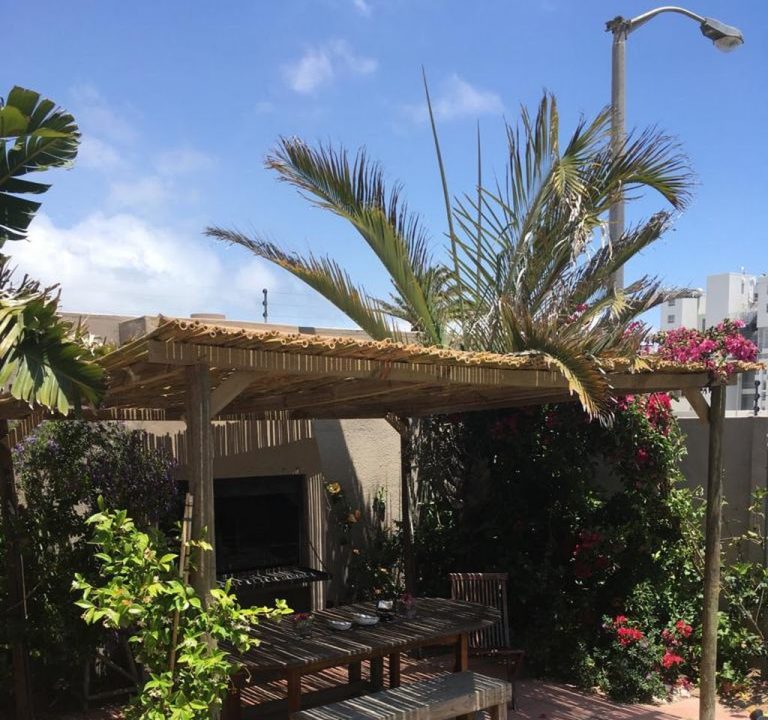
Typical amenities you might encounter include comfortable en-suite bedrooms, tea- and coffee-making facilities, reliable Wi-Fi, and contemporary en-suite bathrooms. Many guest houses and boutique hotels feature communal lounges, small libraries, or outdoor terraces where you can unwind after a day of exploring. If you are travelling with children, verify family-friendly options, such as larger rooms, child-friendly menus, or safe play areas. For longer stays, a kitchenette or self-catering facilities can be a practical convenience.
Transport in Cape Town is varied and often straightforward. The MyCiTi bus network offers affordable city-wide routes, though some guests prefer rideshare services or organised tours to navigate hilly terrain and windy coastal roads. If you plan to visit the Cape Peninsula or coastal reserves, renting a car can provide maximum flexibility, but many attractions are reachable by organised day trips. For guests who stay near the V&A Waterfront or the city centre, walking routes are pleasant and rewarding, with plenty of cafés and soundscapes to enjoy along the way.
The best times to visit Cape Town are typically during the Southern Hemisphere autumn (March to May) and spring (September to November), when the weather is mild and the landscapes are vibrant. The summer season (December to February) brings longer days and beach-going opportunities, but it can also be busier. Winter (June to August) is cooler and rainier, yet it offers fewer crowds and dramatic coastal scenery. Pack layers, a reliable sun hat, sunscreen, comfortable walking shoes, and a light rain jacket, especially if you plan outdoor excursions like Table Mountain cableway rides or coastal hikes.
Key attractions to consider include naturally dramatic settings such as Table Mountain, beaches along the Atlantic Seaboard, and picturesque harbourfront areas. Cultural experiences span the historic Bo-Kaap neighbourhood with its colourful houses, a range of museums, and markets where you can sample local crafts and foods. Outdoor lovers may enjoy scenic hikes, coastal viewpoints, and nature reserves. Family travellers often appreciate easy access to parks, safe promenades, and activities that suit different ages. For a balanced itinerary, mix a morning ascent or cable car ride with afternoon visits to historic streets, galleries, or a waterfront stroll.
Foodies will find a broad spectrum of dining options, from casual cafés and bustling markets to refined restaurants that showcase local ingredients. In addition to global cuisines, look out for places that highlight fresh seafood, Afrikaanse flavours, and farm-to-table concepts from nearby winelands. Markets and food halls can be excellent places to try a variety of dishes in one visit, while wine estates in Constantia or the nearby region offer tastings paired with scenic views.
Practical tips to help you plan smoothly:
- Check for secure access and reliable Wi‑Fi, especially if you rely on online maps and bookings.
- Ask about parking and public transport options if you are renting a car or prefer ridesharing.
- Read cancellation terms carefully in case plans change.
- Look for properties with flexible breakfast options or self-catering facilities if you travel with dietary needs.
- Consider a mix of accommodation styles across your stay to experience both neighbourhoods and scenic surrounds.
For further inspiration, the official tourism site for Cape Town offers practical guidance on planning a visit, getting around, and discovering standout experiences across the region. Whether you prioritise a chic guest house in a leafy suburb or a coastal retreat with easy access to beaches, Cape Town invites you to tailor your stay to your interests while enjoying its renowned scenery, cuisine, and hospitality. And if you choose a guest house such as Imany GuestHouse, you may find a comforting home base that pairs local character with convenient access to the city’s many attractions.