Durban: where comfortable stays meet vibrant city life and coastal attractions
Durban, in KwaZulu-Natal, offers a welcoming mix of sun-soaked beaches, family-friendly leisure, and a diverse culinary scene. Planning a stay here means weighing a few practical considerations to make the most of your trip, from choosing the right neighbourhood to matching your accommodation style with travel plans. Whether you prefer a boutique hotel overlooking the Indian Ocean, a cosy guesthouse tucked away in a leafy street, or a self‑catering apartment close to the action, Durban’s range of options can suit most budgets and itineraries.
Key areas to consider include the beachfront precincts along the Golden Mile and North Beach, which are popular for easy access to the sea, walks along the promenade, and a bustle of cafés and casual eateries. The Central Durban and Berea areas offer convenient access to the city’s cultural attractions, markets, and business hubs, while Morningside and Umhlanga provide a more residential feel with stylish dining and boutique shopping. If you’re after a lively, family-friendly atmosphere close to the harbour and waterfront attractions, the Point and harbour precinct can be an excellent choice. For a more relaxed coastal vibe with leafy streets and easy beach access, consider staying in beachfront or close-to-beach locations such as Umhlanga, a short drive north of central Durban.
What to look for when booking a place to stay:
- Location relative to your planned days: proximity to the beach, main attractions, and a predictable transport option.
- Type of accommodation: hotels for compact, serviced stays; guesthouses and B&Bs for a personal touch; self‑catering apartments for flexible dining and longer stays; and boutique properties for a curated ambience.
- Amenities: free Wi‑Fi, air conditioning (important in Durban’s warm climate), secure parking or easy street parking, and on-site dining or kitchen facilities.
- Transport access: easy connections to public transport networks, such as local bus services or ride-hailing apps, and nearby taxi stands or car hire options.
- Cancellation policies and safety features: clear terms, reliable housekeeping schedules, and a secure reception or 24‑hour front desk if available.
Typical amenities you might expect include air‑conditioned rooms, en-suite bathrooms, clean and comfortable bedding, wholesome breakfast options in guesthouses, and the option of self‑catering in apartment-style stays. Boutique hotels often offer personalised service, careful design touches, and curated local recommendations. If you’re visiting Durban for longer stays, look for serviced apartments or well‑equipped self‑catering units that let you maintain routines while enjoying a new destination.
Transport and getting around are straightforward in Durban, though planning is essential. The MyCiTi bus network serves several routes across the city and can be a convenient way to reach major sights and venues, especially along the beachfront corridors and into the city centre. Taxis, ride‑hailing apps, and private transfers are widely available, and many guesthouses and hotels can arrange airport or station transfers. If you choose a base close to the coast, you’ll often find it easy to enjoy long walks or short rides to restaurants, markets, and beaches. For day trips beyond Durban, consider local tour operators that offer guided experiences in and around KwaZulu‑Natal, including nature reserves, cultural venues, and coastal towns.
Best time to visit Durban is linked to its subtropical climate. The coast enjoys warm summers and mild winters, with peak beach weather typically from October to March. This period brings longer days and plenty of sunshine, ideal for soaking up sun, swimming, and rooftop or poolside relaxation. If you prefer cooler, quieter periods and lower humidity, winter months can be comfortable for city exploring and dining out, though sea swimming will be less appealing. Be mindful of the rainy season in summer, which can bring afternoon showers but also lush landscapes and dramatic skies after storms.
Practical tips to help you plan a smooth stay:
- Book early in peak seasons, especially if you want a beachfront location or a boutique property with high demand.
- Check access to beaches and whether properties offer sunlit balconies or verandas to enjoy sea breezes from your room.
- Look for places with good in-house facilities (breakfast, safe parking, laundry services) to reduce extra costs and logistics.
- Sample a mix of experiences: plan a couple of relaxed days by the sea, one or two cultural or culinary outings, and a day to explore a different neighbourhood.
- Pack adaptable outfits for warm days and cooler evenings, plus sun protection and a light waterproof layer for tropical showers.
Durban’s hospitality scene pairs well with its varied dining and leisure options. Expect eateries that reflect the city’s multicultural influences, offering cuisine ranging from casual beachfront cafés to refined dining spaces that showcase local produce. For food lovers, plan a relaxed evening to sample a spectrum of dishes and casual meals in and around your chosen area; the city’s coastal markets, farmers’ stalls, and independent cafés often provide excellent, low‑key choices alongside more established restaurants. For a restful base with easy reach to both beaches and city sights, a stay that blends comfort with convenient access is a wise choice.
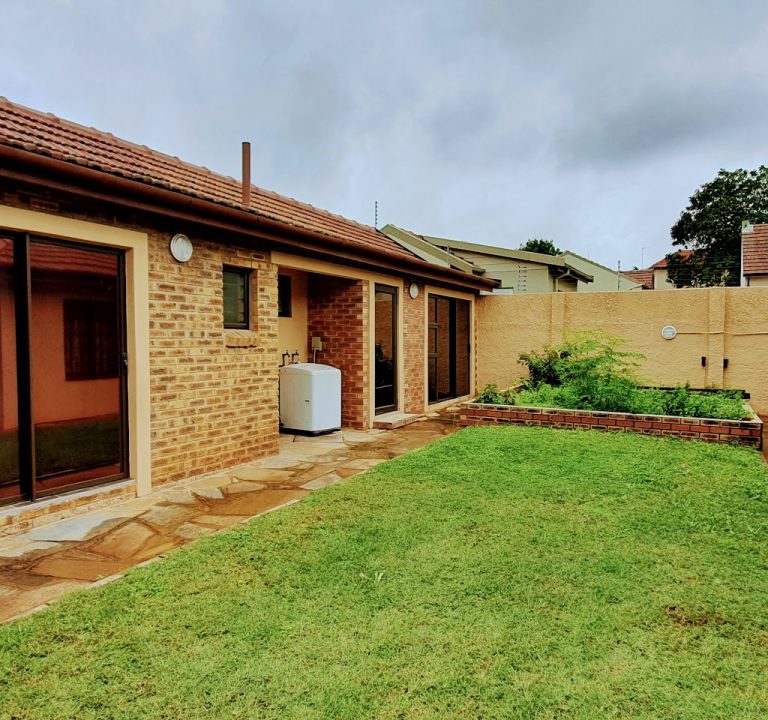
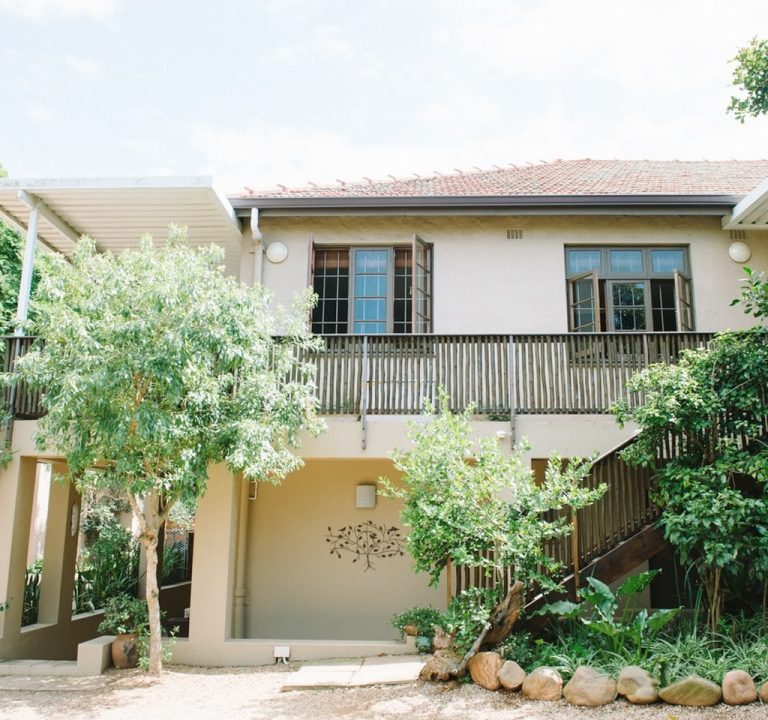
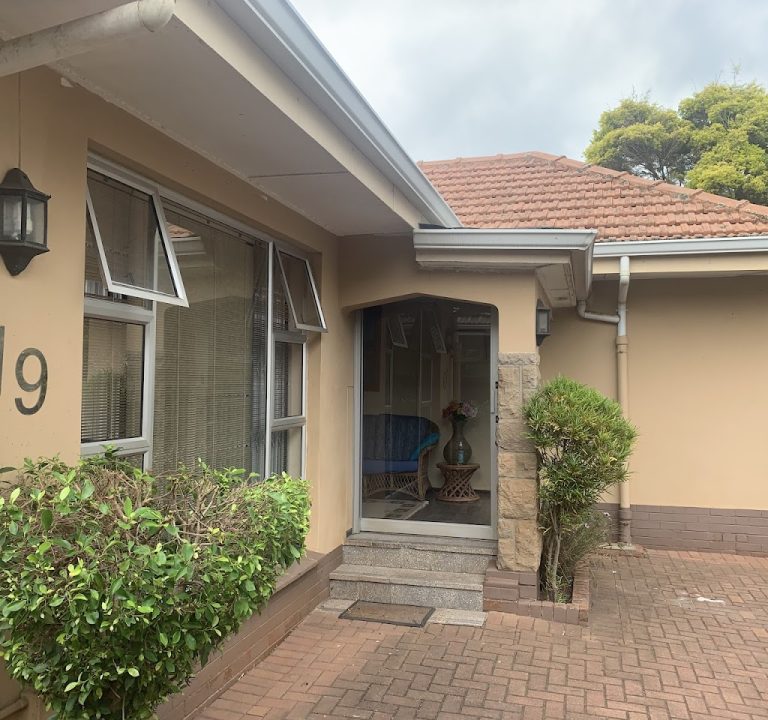
One possible example of a stay in the city centre is The Nguni Room, a boutique option within Durban’s broader accommodation landscape. While each stay has its own character, selecting a place with thoughtful design, friendly service, and proximity to transport can greatly enhance your experience. For further ideas and booking options, you can explore official tourism resources and hotel websites aligned to Durban and KwaZulu‑Natal, including general information pages and local area guides.