Durban, KwaZulu-Natal: Where to Stay and What to Do
Durban offers a vibrant mix of beaches, cultural heritage, sunshine, and a thriving food scene, all within easy reach of comfortable accommodation. Whether you favour a boutique guesthouse in a leafy neighbourhood, a modern hotel by the seafront, or a self‑catering apartment near the harbour, planning a stay in the city is best approached in layers: choose a convenient area, understand typical amenities, and map out a few must‑do experiences to balance leisure with practical travel needs.
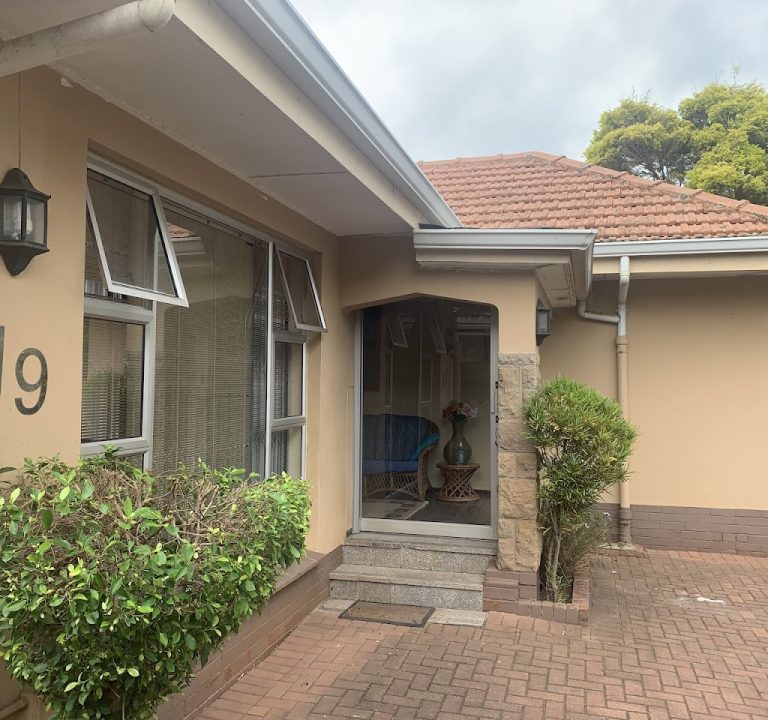
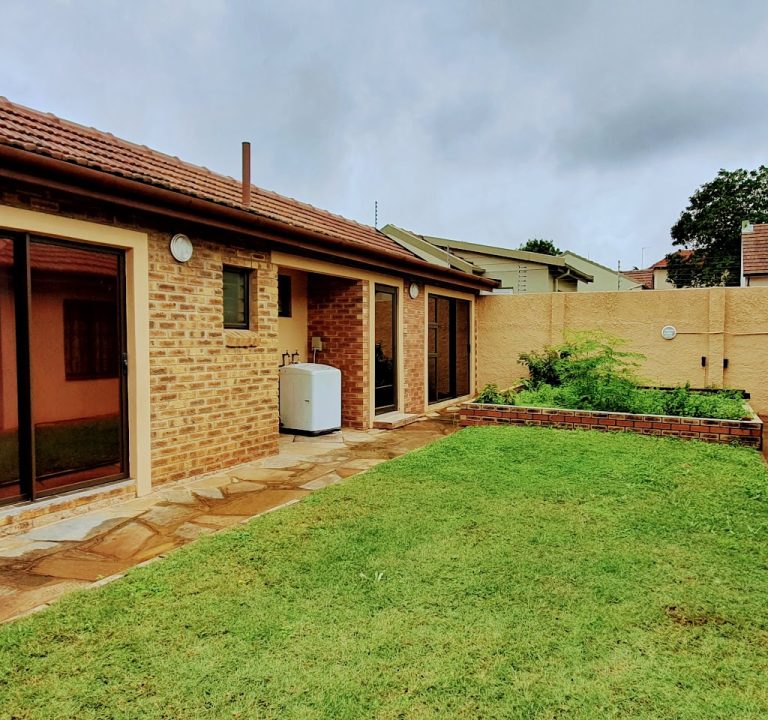
When considering areas to stay, think about transport links and what you want to access most. The popular beachfront stretches, including North Beach and South Beach, are ideal if you want immediate access to the sea, promenades, and lively evening spots. For a quieter, more residential base with easy access to shops and restaurants, neighbourhoods such as Morningside or Glenwood offer leafy streets, characterful guesthouses, and a relaxed pace. If you’re visiting for business or to explore the city centre, the CBD and nearby precincts provide a concentration of modern hotels, business facilities, and cultural venues. For those seeking family‑friendly beaches and sheltered bays, Umhlanga on the northern coast is a well‑established option with a range of accommodation and dining choices. If you’re curious about a more authentic Durban experience, consider staying at a guesthouse or lodge in or near the suburbs that blend comfort with local character—for example, Amaciko Guesthouse, a welcoming indoor lodging option that can serve as a cosy home base while you explore the area.
Typical amenities to look for when booking include reliable Wi‑Fi, air conditioning or fans for Durban’s warm climate, on‑site parking, en‑suite bathrooms, and a comfortable lounge or communal areas. A pool can be a welcome respite after a day of sightseeing, while a kitchenette or self‑catering facilities are convenient for longer stays or family trips. If accessibility is a priority, check room arrangements, lift access, and parking options. For travellers curious about local gastronomy, many guesthouses and hotels offer breakfast or easy access to nearby eateries, helping you sample Durban’s renowned mix of Indian, African, and coastal flavours.
Transport in Durban is relatively straightforward but varies by area. The MyCiTi bus network operates across parts of the city and surrounding areas, offering an economical way to reach beaches, the uShaka Marine World precinct, and the central business district. Taxis and ride‑hailing services are widely available, and some properties provide shuttle options or arrangements with trusted local drivers. If you plan to explore beyond the beachfront, a hire car affords flexibility to visit inland attractions, such as botanical gardens, sandstone ridges, and nearby villages. Pack a small map or download a transit app, and ask your host or concierge for current routes and safety tips particular to your stay.
Durban’s best time to visit depends on your weather preferences and planned activities. The city enjoys warm weather most of the year, with summer (roughly November to March) being hot and humid with regular afternoon thundershowers. Winter (June to August) is milder and drier, often a good window for outdoor activities and city sightseeing. If you’re hoping to combine beach days with cultural visits, consider shoulder seasons when crowds are lighter and accommodation rates may be more favourable. Sunscreen, a hat, and light layers are sensible year‑round, and be prepared for occasional tropical rain showers during the warmer months.
Places to explore while staying in Durban span a broad spectrum. You’ll find expansive beaches with promenade walks, markets, and a bustling harbour area that provides a sense of the city’s maritime roots. Family‑friendly attractions and museums offer educational and entertaining experiences, while nearby nature reserves showcase the region’s biodiversity. For dining, Durban’s culinary scene ranges from casual curry houses to chic eateries that specialise in fresh seafood and modern pan‑African cuisine. Wherever you choose to eat, aiming to sample a few different neighbourhoods helps you taste the city’s diverse flavours without relying on a single hotspot.
Practical tips to help you plan your stay:
- Book in advance for peak holiday periods and major events to secure the best locations and rates.
- Clarify whether your accommodation offers on‑site parking, and check the proximity of local parking rules if you plan to rent a car.
- Read guest reviews focusing on cleanliness, proximity to beaches or attractions, and responsiveness of management or hosts.
- Ask about safety notes for the area you’re visiting and guidance on night‑time transport options.
- Budget for meals out or consider properties with breakfast options or self‑catering facilities to balance costs.
In sum, Durban’s accommodation landscape fits a broad spectrum of tastes and budgets, from stylish guesthouses to comfortable hotels and apartment stays. By aligning your choice with the area’s character, similar to the example of Amaciko Guesthouse, you can create a balanced itinerary that blends relaxation with discovery. Pair your stay with a curated mix of beaches, cultural attractions, and dining experiences to make the most of KwaZulu‑Natal’s vibrant coastal city.
For further inspiration and up‑to‑date information, visit city or tourism websites and check individual property pages for location maps and local tips. A well‑planned Durban break can combine sunny seaside days with engaging urban experiences and friendly hospitality, ensuring a memorable visit to this dynamic part of South Africa.