Durban: A Traveller’s Guide to Places to Stay, Eat and Explore
Durban, a vibrant coastal city in KwaZulu-Natal, blends subtropical warmth with a rich cultural tapestry. When planning a stay, consider the form of accommodation that best fits your pace and budget, from boutique lodges and guesthouses to larger hotels and family-friendly apartments. The city’s coastline invites morning walks along the Golden Mile, while inland neighbourhoods reveal buzzing markets, colonial architecture and leafy streets ideal for relaxed strolls after a day of sightseeing.
Areas to consider for accommodation
Stretching along the Indian Ocean, the beachfront zones around the Golden Mile and Umhlanga offer easy access to beaches, promenade paths and a lively queue of dining options. If you prefer a quieter, more intimate setting, central Durban and the Berea provide handy access to the city’s shopping malls, theatres and historic landmarks, often with characterful guesthouses and small boutique hotels. For a more contemporary vibe, the southern suburbs and coastal villages present modern apartments and lodges with scenic views. When choosing where to stay, balance proximity to sights with a sense of security, noise levels and access to reliable transport or parking.
What to look for when booking
Key factors include room configuration (single vs. double occupancy, ensuite facilities), included breakfast, parking, and predictability of housekeeping. In many Durban properties, a pool or sun terrace is appreciated for the warm climate, while on-site restaurants or easy access to nearby eateries can save time. Check for flexible cancellation policies, seasonal rates, and whether the property offers guidance on local attractions, tours and transport. If travel convenience is important, choose a host or guesthouse with staff who can assist with itineraries, airport transfers or day trips.
Typical amenities you may encounter
Common conveniences include air conditioning or fans, reliable Wi‑Fi, and well-equipped bathrooms. Hosts often provide a curatorial sense of place with local decor and literature about Durban’s districts. A guesthouse or lodge may feature a shared lounge, garden spaces, and secure parking. If you are keen on self-catering, many properties offer kitchen facilities or common kitchens. For families, look for adjoining rooms, cots, and easy access to beaches or parks. For business travellers, options with workspaces, early check-in or late check-out flexibility can be beneficial.
Transport and getting around
Durban’s transport options range from direct airport shuttles to Uber, taxi services and self-drive. The M4 corridor along the coast is a straightforward route for exploring the beachfront towns, while inland routes connect to markets, museums and parks. If you plan day trips to the Natal Midlands or Zululand, check whether your accommodation can arrange guided excursions or provide reliable guidance on routes and timings. Having a little local knowledge about peak traffic times and tolls can save time and reduce stress during busy periods.
Best time to visit and practical tips
Durban enjoys a subtropical climate with warm summers and mild winters. The summer season (roughly October to March) brings humidity and afternoon showers, but also splendid beach weather and lush landscapes. Winter (May to August) tends to be pleasantly mild, ideal for outdoor activities and city exploration without the heat. Shoulder seasons can offer comfortable temperatures and fewer crowds. Practical tips include packing sun protection, a light rain layer, and comfortable walking shoes for uneven pavements and market streets. It’s sensible to have a small amount of local currency for markets and small vendors, though card payments are widely accepted in most venues. Always inform your host or hotel of any accessibility needs, early check-in requests, or special occasions to ensure smoother arrangements.
Planning a stay with a local touch
Durban has a remarkable culinary scene influenced by Indian, Zulu and coastal flavours. After a day of exploration, you’ll find casual beachfront eateries, lively market stalls, and refined dining options within a short stroll or taxi ride. To get a sense of the city’s personality, consider combining a stay with a gentle coastal walk, a visit to botanical gardens, or a cultural neighbourhood tour. If you appreciate a personal recommendation, many guesthouses and lodges offer curated itineraries or partner with local guides who specialise in heritage sites and nature reserves.
Accommodation example: Halala guesthouse
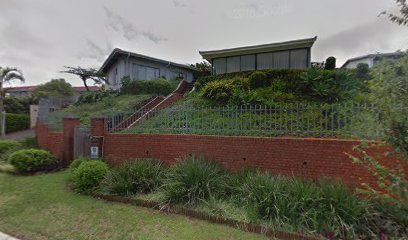
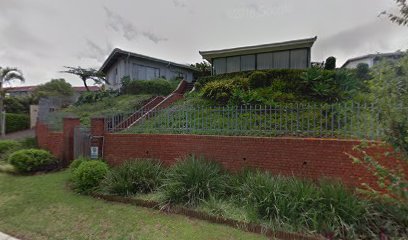
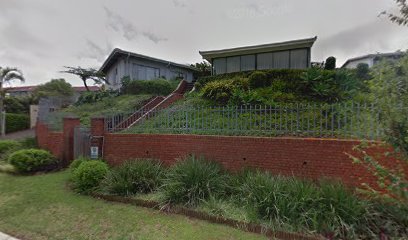
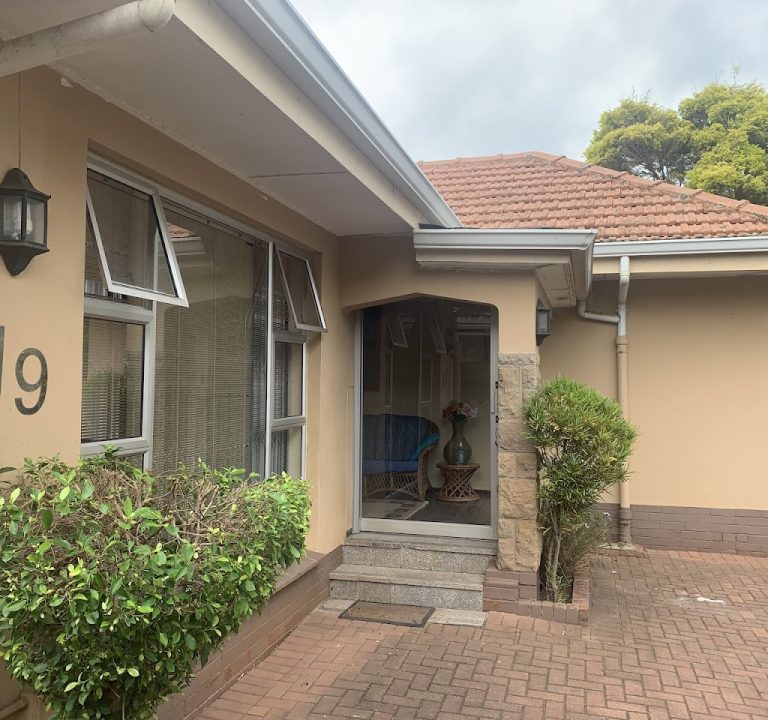
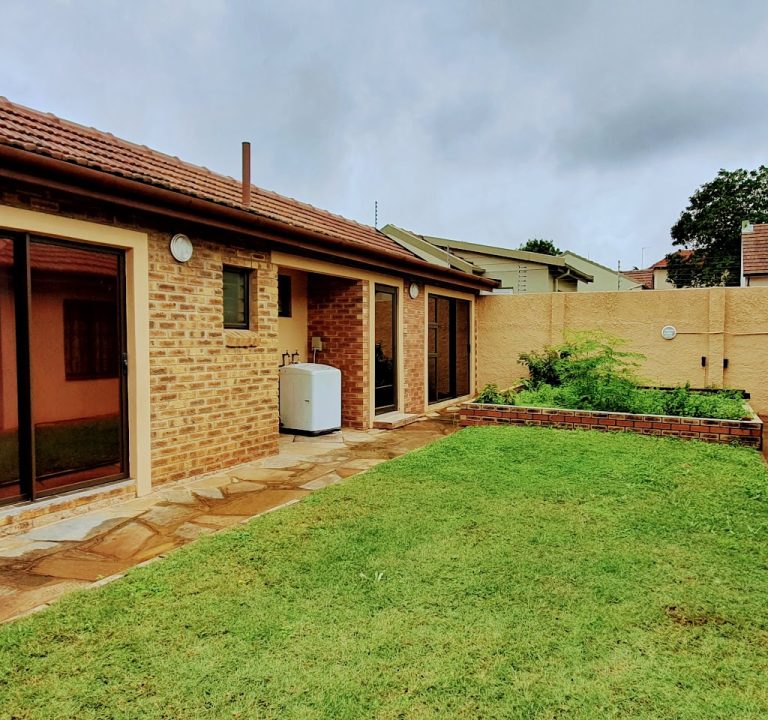
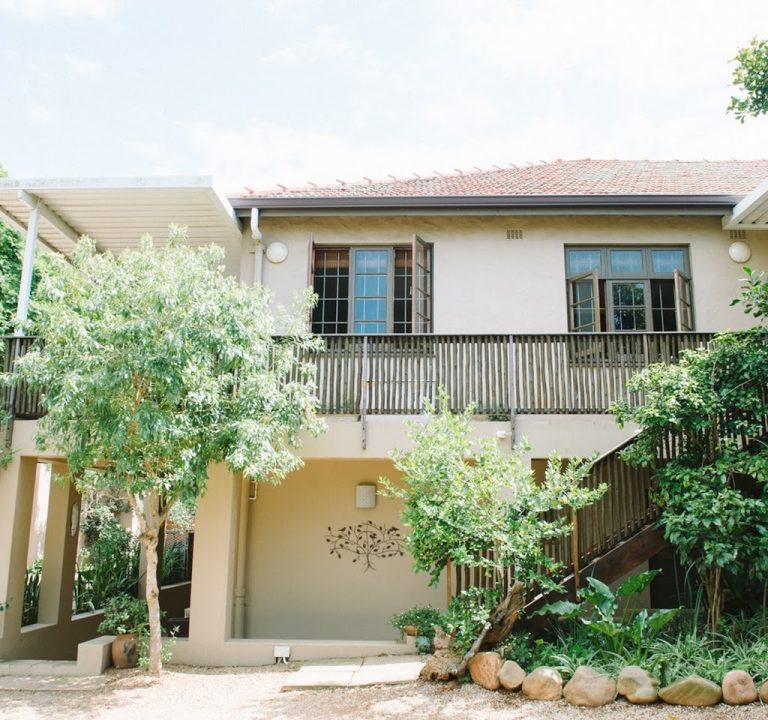
Halala guesthouse is a lodge-style option that embodies Durban’s welcoming spirit. With a focus on comfort and thoughtful service, it can serve as a dependable home base whether you are exploring the coast, markets, or nearby natural reserves. For more information and current availability, visit the property’s official website: Halala guesthouse.
Sample planning checklist for a Durban stay
- Identify two or three areas to base your stay (beachfront for convenience, city centre for access to markets and museums, or quieter residential districts for relaxation).
- Decide on bed type, ensuite facilities, and any special needs (family rooms, accessibility, quiet rooms).
- Confirm breakfast options, parking availability, and proximity to public transport or airport shuttles.
- Check local dining scenes and whether your accommodation can recommend safe, reliable night-life options or guided tours.
Durban offers a balanced blend of sea air, cultural depth and contemporary comfort. By choosing the right area, understanding common amenities, and planning with local knowledge, you can create a memorable stay that feels like a gateway to KwaZulu-Natal’s remarkable experiences. Whether you choose a cosy guesthouse, a lodge with a garden mindfully set near the coast, or a modern hotel in a busy precinct, appreciation for Durban’s hospitality and landscape will shape your itinerary from day one.