Durban: Accommodation and Attractions for a Memorable Stay
Durban, set on the KwaZulu-Natal coast, offers a laid‑back beach vibe alongside vibrant urban life. When planning a stay, consider basing yourself in areas that suit your pace and interests, from breezy coastal zones to leafy inner suburbs with quick access to shops and restaurants. Whether you’re seeking a traditional bed & breakfast, a boutique guesthouse, or a comfortable hotel, Durban’s accommodation market tends to prioritise warm hospitality, generous breakfasts, and convenient transport links.
Popular bases include coastal neighbourhoods along the golden beaches, where many properties are designed to help you step straight onto the promenade for morning runs or sunset strolls. For a quieter retreat with easy access to the city centre, inner suburbs offer well‑appointed rooms, secure parking, and close proximity to the area’s restaurants and markets. If you’re chasing modern convenience and nightlife, a stay near the broader beachfront district or in more central hubs can put you within easy reach of major attractions, eateries, and public transport routes.
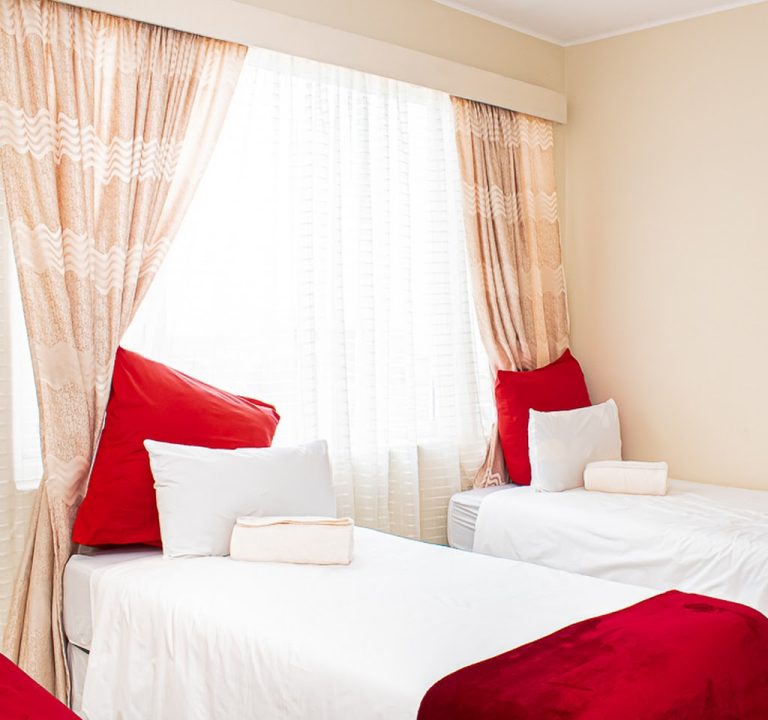
In Durban, it’s common to find B&Bs and guesthouses that emphasise hearty breakfasts, often with a selection of hot-options and fresh fruit. Many properties provide comfortable lounges, gardens or patios, and on‑site parking. Look for rooms with en‑suite facilities, free Wi‑Fi, and climate control, as Durban can be muggy in the warmer months. For families or longer visits, you’ll also find self‑catering units or suites with kitchenettes, enabling flexible meal planning and budgeting.
Transport is straightforward but varies by neighbourhood. The city’s MyCiTi bus network connects popular districts, while taxis and ride‑hailing services are readily available. If you plan day trips, check whether your accommodation offers information on guided excursions or is near rail links. Some guesthouses are a short taxi ride from the beachfront attractions, while others are more convenient for exploring the inland valleys and hills that reveal the region’s natural beauty.
Best time to visit Durban tends to be year‑round, with warm summers and mild winters. The coastal climate means outdoor activities—such as beach days, walks along the promenade, or visits to local markets—are popular most months. The rainy season can bring showers, so pack a lightweight waterproof layer and plan some indoor options such as museums, markets, and indoor galleries for less predictable days. If you’re drawn to marine life and coastal scenery, plan for a visit during calmer sea periods and check local forecasts for surf or wind conditions before heading to the water.
Enriching your stay can be as simple as planning around where to eat and what to see. Durban’s dining scene ranges from casual seafood shacks to contemporary bistros and Indian‑influenced eateries, reflecting the cultural mix of the region. For those who enjoy markets and foodie precincts, you’ll find opportunities to sample local flavours, browse crafts, and pick up fresh produce. When planning day trips, consider the city’s coastal charms, such as long beaches and promenades, as well as nearby inland landscapes with rolling hills and nature reserves. While iconic attractions are well documented, you’ll also discover smaller galleries, parks, and community venues that give a flavour of Durban’s welcoming spirit without needing to rely on guides or app‑based recommendations.
When selecting accommodation, here are some practical considerations to help you book with confidence:
- Proximity to the sights you want to visit and to transport links such as bus routes or rail stations.
- Clear information about parking, security measures, and on‑site staff availability.
- Breakfast options and flexibility for dietary needs; check if a self‑catering option is more suitable for your plans.
- Room features such as air conditioning or ceiling fans, reliable Wi‑Fi, and ensuite bathrooms.
- Cancellation policies and any seasonal pricing changes that could affect your budget.
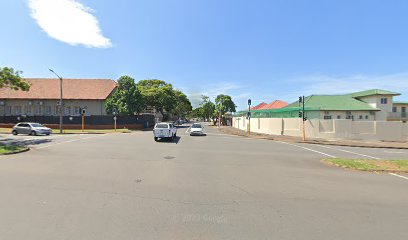
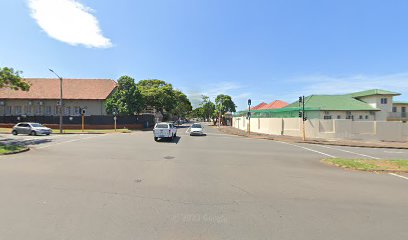
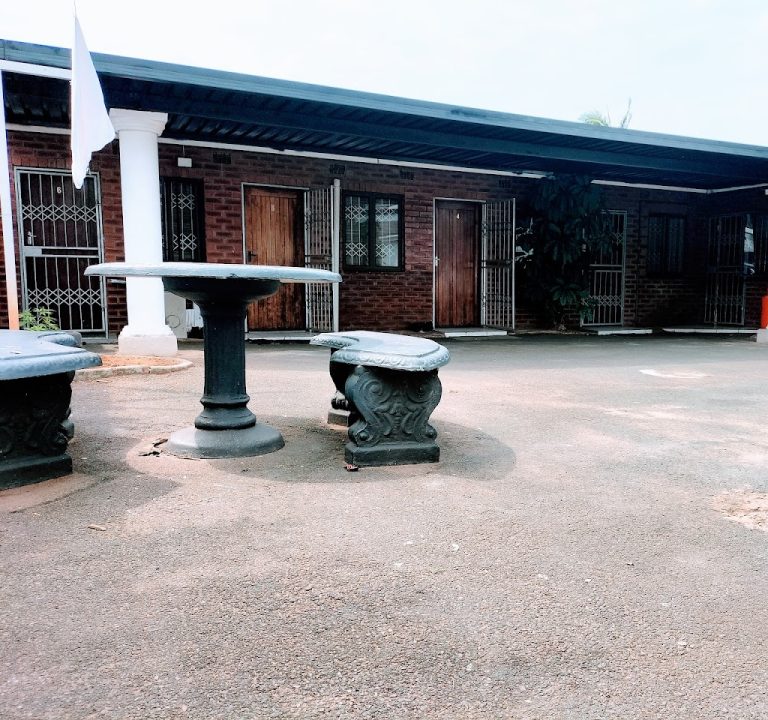
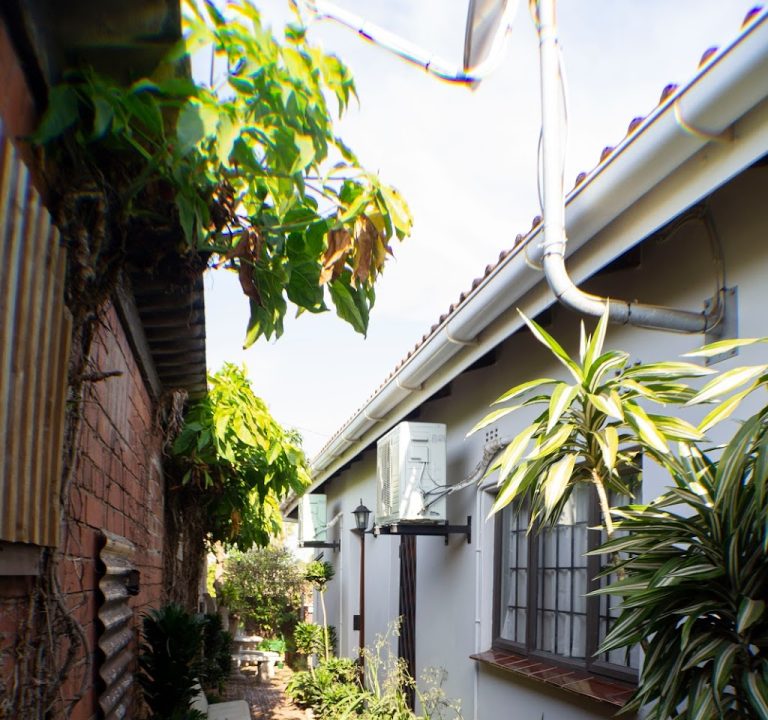
A practical starting point for accommodation ideas is to consider a comfortable base that suits your pace—for example, a traditional bed & breakfast in a safe, well‑lit street near the seaside, or a guesthouse in a nearby leafy neighbourhood that makes daily strolls to markets and cafes easy. A well‑located option like Umbilo Bed & Breakfast, for instance, can offer a peaceful stay with easy access to central Durban and the broader region, alongside a personal touch and a reliable breakfast service. Always check recent guest reviews for cleanliness, helpfulness of staff, and overall value.
For an enriching stay, blend your time with both relaxation and light adventures. Beach days in the milder morning hours, a stroll along the esplanade, a visit to local markets or museums, and an easy drive to the inland scenery all make for a balanced itinerary. Afternoon coffee stops, casual lunches, and dinners at a range of eateries will showcase Durban’s hospitality and culinary diversity. Finally, keep a flexible mindset; Durban’s charm often lies in its spontaneity—the conversations you strike with locals, the hidden cafés you discover, and the unexpected vistas you encounter while exploring the city and its surroundings.
Useful links: general Durban tourism information and destination guides can help you tailor your plans and discover additional accommodation options, experiences, and seasonal events across KwaZulu‑Natal.