Discover Cape Town: Where to stay, what to see, and how to plan your visit
Cape Town is a city of contrasts, set between the Atlantic, a dramatic Table Mountain backdrop, and a coastline that runs from rugged shores to refined coastal towns. When planning a stay, the choice of neighbourhood is as important as the accommodation itself. From the bohemian streets of the city bowl to the leafy tranquillity of suburbs near the winelands, there are options to suit all travellers and budgets. A well-chosen base can cut travel time, help you feel at home, and unlock easy access to both iconic sights and hidden gems.
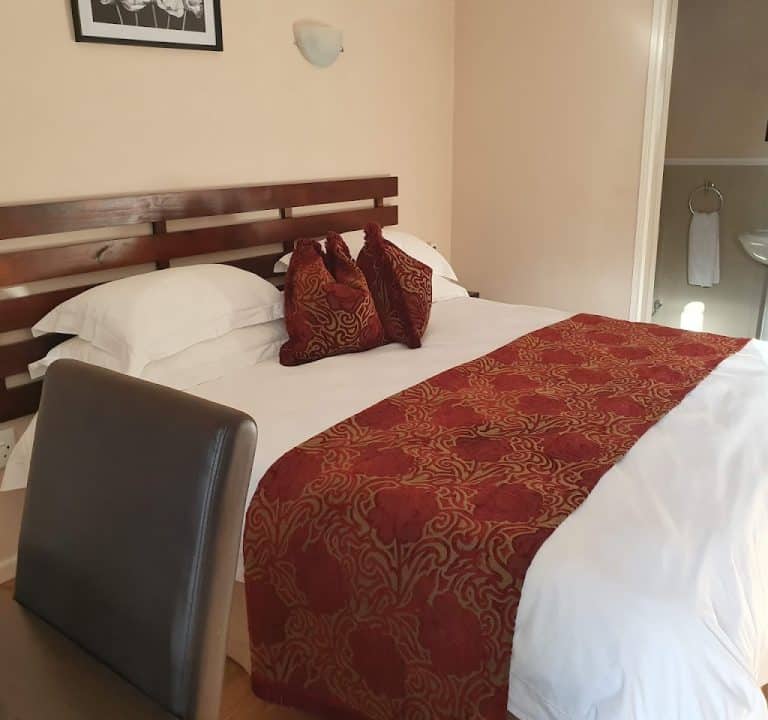
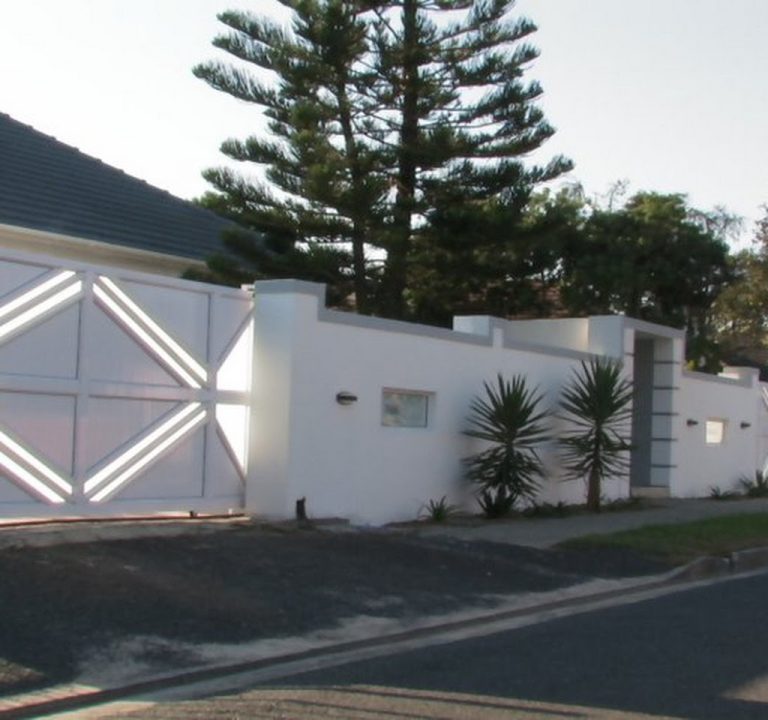
Accommodation in Cape Town ranges from boutique guest houses and stylish BnBs to practical city apartments and family-friendly lodges. A guest house such as The Junction Guest House, for example, may offer a personalised touch, comfortable rooms, and a central location that lets you walk or take short rides to many neighbourhoods. When booking, look for aims such as a hospitable host, clean en suite facilities, reliable wi‑fi, and breakfast options that suit your plans. Consider whether you prefer a social common area, on-site parking, or easy access to public transport.
Key areas to consider:
- Central Cape Town and the City Bowl: within walking distance of museums, galleries, and vibrant cafés; good for first-time visitors who want to explore on foot.
- Waterfront and Sea Point: coastal views, easy waterfront walks, and a pace that suits families and travellers who want a mix of activity and relaxation.
- Constantia and the Southern Suburbs: ideal for wine lovers and those seeking a quieter, leafy setting with easy day trips to Constantia’s wine estates and nearby nature reserves.
- Kirstenbosch and the southern slopes: great for access to botanical gardens and hiking trails with a backdrop of mountain scenery.
Typical amenities to look for include a comfortable bed, private or en-suite bathrooms, adequate storage, and adequate heating or air conditioning depending on the season. Many guests value on-site parking, a self-catering option or a well-equipped breakfast, and clear information about local transport links. If you plan to drive, ask about secure parking or access to a road suitable for larger vehicles. For those preferring public transport, check the proximity to MyCiTi bus routes or convenient Uber access, which can save time in peak traffic.
Practical planning tips to maximise your stay:
- Travel seasons: Cape Town enjoys a Mediterranean climate with wet winters and dry summers. The best weather for outdoor activities is typically spring (September to November) and autumn (March to May). Peak European summer holidays can be busier and pricier, especially around major sights.
- Time management: Table Mountain and the cableway can have queues; consider a sunrise or late afternoon visit to avoid crowds. Robben Island tours require advance booking, often with limited daily departures.
- Dining: Cape Town offers a broad range of dining, from casual shacks to fine dining. Plan to browse neighbourhoods for markets or casual eateries where seasonal produce and seafood feature prominently.
- Safety and awareness: like many major cities, follow common-sense safety practices, especially at night and in unfamiliar areas. Request guidance from your hosts about areas that are best avoided after dark.
- Environment and responsible travel: consider a blend of activities that highlight the city’s natural beauty and cultural heritage, such as coastal walks, gardens, and heritage sites, while supporting local businesses and suppliers.
When selecting activities, balance with downtime at your accommodation or nearby parks. In addition to iconic sights, there are opportunities for scenic coastal walks, wine estates just outside the city, and nature reserves that offer hiking, birdwatching, or simply a quiet outlook over the Atlantic. For dining and social experiences, plan a mix of casual eateries, seafood spots along the coast, and more refined venues that showcase South African produce and hospitality.
Getting around is straightforward once you know what you need. If you stay in the City Bowl or Waterfront, walking can be pleasant for short hops, with rideshares available for longer trips. A car offers the greatest flexibility for day trips to the Cape Peninsula, the Cape Point reserve, and Constantia’s wine route, but many travellers enjoy the convenience of guided tours that handle transport and itineraries.
Best time to visit Cape Town is subjective and depends on interests. For beach days and outdoor adventures, late summer and autumn offer warm seas and pleasant hiking conditions. For wildlife experiences and lower crowds, consider shoulder seasons when rainfall is less predictable but travel is more relaxed. Always check local festival calendars, seasonal events, and any site maintenance that could affect your plans. A well-planned stay that combines comfortable accommodation with flexible day trips will help you experience Cape Town’s beauty, culture, and hospitality to the fullest.
Online planning resources can be useful for comparing accommodation options, reading recent guest reviews, and discovering local experiences. While you book, keep a simple checklist: the area, the amenities that matter most to you, transport options, and any special considerations for your party. With the right base and a thoughtful plan, your Cape Town visit can be as enriching as it is relaxing.