Accommodation and Activities in Cape Town, Western Cape
Cape Town blends natural beauty with a vibrant urban scene, making it a destination where you can relax in stylish accommodation by the sea or immerse yourself in cultural and culinary experiences. When planning a stay, consider how different neighbourhoods suit your interests, the level of comfort you want, and how you’ll get around to make the most of your time.
For easy access to iconic sights and a bustling dining scene, the City Bowl and the V&A Waterfront offer convenient bases with a range of options from cosy guesthouses to chic boutique hotels. The Atlantic Seaboard, including areas such as Camps Bay and Clifton, provides dramatic ocean views, stylish lounges and excellent proximity to beaches. If you prefer a quieter, leafy setting with a focus on wine and heritage, Constantia or the nearby suburbs can be ideal. For a more diverse cultural experience, Bo-Kaap and Green Point give easy walking access to museums, markets and city life while staying well connected to public transport.
When you book, look for practical amenities that will ease your stay. A comfortable bed, good heating or air conditioning, and reliable Wi‑Fi are essential for most travellers. A guesthouse or boutique hotel that offers breakfast can save time in the mornings, and on-site parking or easy access to public transport can be a major convenience in a city where traffic can be challenging at peak times. If you’re staying near the coast, inquire about sea views, balconies or access to terraces, and whether the property has a pool or shaded outdoor spaces for warmer days.
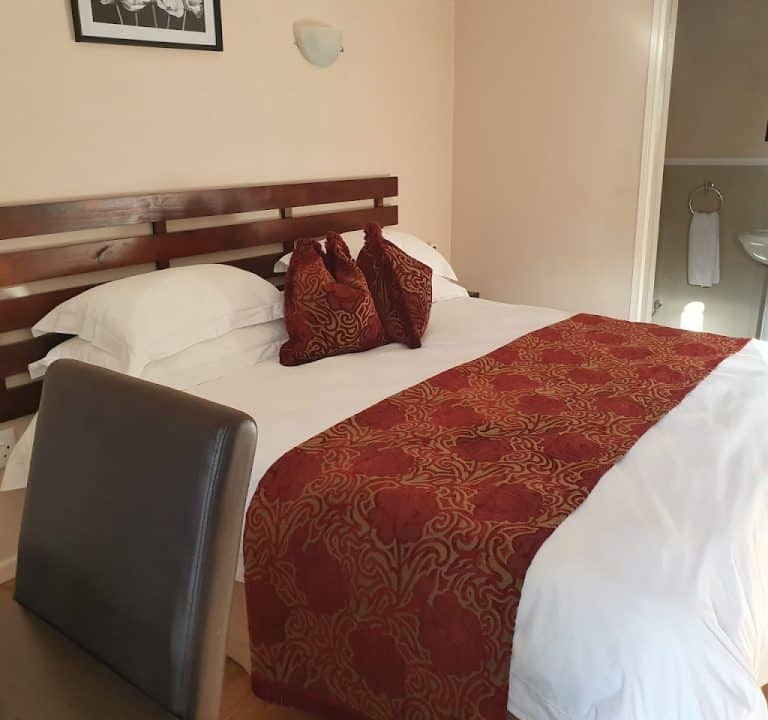
One well-regarded option to explore is a traditional bed and breakfast that focuses on personalised service and local hospitality. A B&B can provide insights into neighbourhood quirks, a sense of home away from home, and a light, home-cooked start to the day. For example, a Cape Town B&B might offer cosy rooms, a shared lounge, and easy access to nearby cafés and markets. You can learn more about such stays through their websites and guest reviews, and consider a stay that supports local hosts and community initiatives.
Typical amenities you may encounter include en-suite bathrooms, daily cleaning, tea and coffee facilities, minibars or cosy dining areas, and secure entry. Some properties offer self-catering options or guest kitchens, which can be convenient for longer trips or family groups. If you’re visiting during peak tourist periods, a flexible cancellation policy and clear house rules can help you book with confidence. Always check accessibility details if you have mobility needs, and confirm what services are offered during public holidays or weekends.
Getting around is straightforward, but plan ahead. The MyCiTi bus network covers central areas and major routes, while minibus taxis and ride-hailing services are widely available. Many visitors choose to hire a car for broader exploration, particularly for day trips to the Cape Winelands or coastal drives along the Atlantic coast. If you’d rather limit driving, look for accommodation near ferry terminals, major tram or bus lines, and popular pedestrian zones. Walking is rewarding in central areas with pedestrianised streets, markets, and scenic foreshore promenades.
The best time to visit Cape Town tends to be during the spring and autumn shoulder seasons when the weather is temperate and crowds are more manageable. The peak of summer draws holidaymakers to beaches and coastal spots, while winter brings cooler days with a chance of rain. Regardless of when you travel, pack layers, sun protection, and comfortable footwear for hills, steps and nature reserves.
Top attractions and activities span natural wonders, history and markets. Take a cable-car ride up Table Mountain for panoramic views, explore the V&A Waterfront and its galleries, or take a short voyage to Robben Island to gain historical insights. A visit to Kirstenbosch National Botanical Garden offers scenic walks and native flora, while the Cape Peninsula route provides dramatic coastal scenery and the chance to see penguins at Boulders Beach. For wine lovers, day trips to Constantia or nearby Stellenbosch and Franschhoek let you sample renowned estates and regional cuisine, with scenic countryside as a backdrop.
Food and drink in Cape Town reflect its multicultural mix. Expect seafood caught along the coast, a range of Mediterranean and African-inspired dishes, and a thriving cafe culture. Markets and casual eateries offer artisan breads, fresh produce, and international flavours, making it easy to eat well without breaking the budget. When planning dinner, consider areas with a concentration of restaurants in safe, well-lit streets, and be mindful of reservations during busy periods.
Practical tips to help you plan your stay:
- Choose a base that minimises daily travel time to the sights you want to prioritise.
- Check transport options from your accommodation and whether the property offers secure parking or easy access to public transit.
- Read guest reviews for insights on service levels, cleanliness and the local neighbourhood vibe.
- Consider a mix of relaxation days and active excursions to balance your trip.
- Be prepared for rapidly changing weather; layers are essential.
- Book experiences and popular attractions in advance where possible, especially during peak season.
For travellers seeking a welcoming Cape Town stay that emphasises personal service, Bonani Bed and Breakfast offers a home-from-home experience with a focus on comfort and local hospitality. Learn more about this type of accommodation at their website, which provides an overview of rooms, breakfast offerings and location context. Explore Cape Town with a flexible itinerary that combines restful stops with exploration of markets, viewpoints, and nearby vineyards, and you’ll have a well-rounded visit that captures the city’s diverse appeal.
Ultimately, Cape Town rewards visitors who balance nature, culture and cuisine. With thoughtful planning around neighbourhoods, transport and amenities, your stay can be comfortable, convenient and richly memorable, leaving time to enjoy both iconic landmarks and lesser-known local highlights. For more information and ideas, visit reputable travel sites and the official tourism pages to help tailor an itinerary that suits your interests and pace.