Planning a Stay in Cape Town: Where to Stay, What to Look For, and How to Make the Most of Your Visit
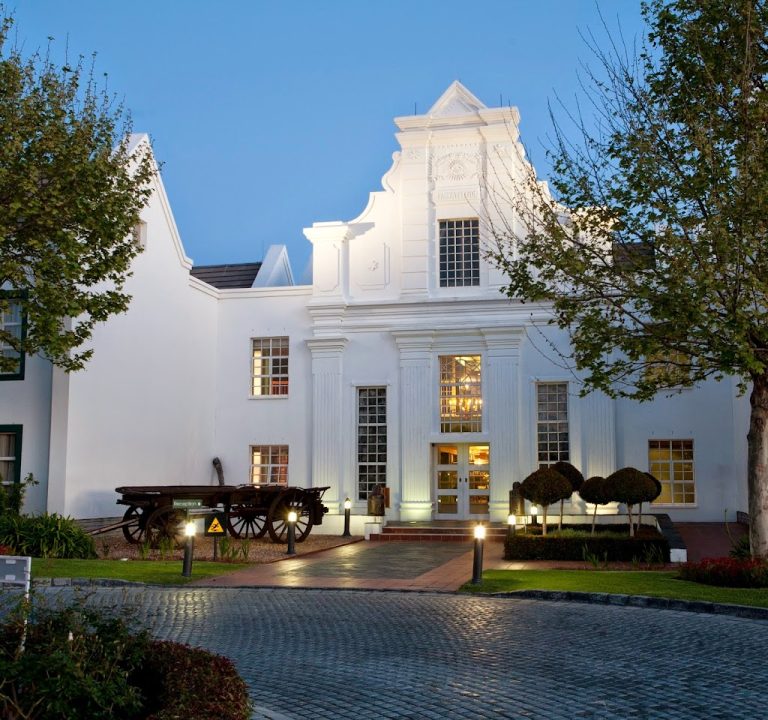
Cape Town blends dramatic scenery with a vibrant urban scene, making it one of the most versatile destinations in the Western Cape. When choosing accommodation, many visitors prioritise location, fresh ambience, and easy access to transport. In Cape Town, there are numerous options—from boutique guesthouses and mid‑century lodges to contemporary hotels and family‑friendly B&Bs. One example of indoor lodging that combines comfort with practicality is Abeson Lodge, a practical base for exploring the city and its surroundings. Consider your style of travel, budget, and how much time you plan to spend in each neighbourhood when narrowing your choices.
Areas to consider include the City Bowl and Central Cape Town for convenient access to museums, markets and nightlife; the Atlantic Seaboard, including Camps Bay and Clifton, for beachy views and a more relaxed pace; Green Point and Sea Point for a blend of seafront strolls and easy transport links; and Constantia in the valley for wine routes and tranquil settings. If you’re after a family‑friendly base with space to spread out, look for self‑catering options with multiple bedrooms or larger suites. If a cosy, intimate atmosphere is more your style, a boutique inn or guesthouse with personalised service can make a memorable difference to your trip.
Typical amenities to look for include en suite bathrooms, reliable Wi‑Fi, secure on‑site parking, and a good breakfast option or full kitchen facilities if you prefer self‑catering. Housekeeping frequency, laundry facilities, and 24‑hour reception are worth noting if you need flexibility. For business trips or longer stays, a well‑equipped workspace and convenient charging points can be important. In coastal areas, a heated pool or sun terrace adds to the appeal, while in central districts, air conditioning and soundproofing can improve comfort during the warm, lively months.
Transport in Cape Town is straightforward, though it pays to plan. The MyCiTi bus network offers routes across many areas, while Uber and other ride‑hailing services are widely used for city hops and evening outings. If you plan to venture to the Cape Peninsula or winelands, a rental car provides the most independence, though many tours operate from central meeting points. If you prefer not to drive, ask your accommodation for shuttle options or guided day trips, which can simplify visits to major sights and ensure you make the most of daylight hours.
The best time to visit Cape Town depends on what you want from your trip. The summer months (December to February) bring long days, sea air, and lively outdoor options, but can be busy at popular attractions. The shoulder seasons of spring (September to November) and autumn (March to May) often offer milder weather, fewer crowds, and good value for those seeking a calmer pace. Winter (June to August) is cooler and wetter, which can be ideal for city museums, indoor attractions, and restaurants, with the added charm of dramatic skies over the coastline. Regardless of season, plan ahead for peak times at top experiences and consider purchasing passes or booking slots where possible to avoid disappointment.
When staying in Cape Town, think about a balanced itinerary that includes natural, cultural and culinary experiences. Iconic natural venues include viewpoints overlooking the harbour,Table Mountain or signal the addition of a hike in the surrounding hills. Cultural interests often centre on galleries, markets and historic sites that offer insight into the city’s diverse communities. Food lovers can explore a broad mix of dining options, from cafés with harbour views to fine‑dining rooms that showcase South African produce and international influences. Rather than chasing specific names, look for places with consistently good reviews, a pleasant ambience, and menus that rotate with fresh, seasonal ingredients.
Practical tips to help you plan smoothly:
- Book accommodation with clear directions and a local contact for emergencies or advice.
- Check the neighbourhood’s accessibility to public transport or parking options if you plan to explore independently.
- Pack layers; even in summer, coastal breezes can be cool in the morning and evening.
- Consider safety and personal security as part of the planning, especially in busy urban areas after dark.
- Look for flexible cancellation policies in case travel plans shift.
In summary, Cape Town offers a broad spectrum of lodging that suits every travel style, from stylish indoor lodgings to family‑friendly suites and stylish B&Bs. Align your choice with the areas that best fit your planned activities—whether you want sea views and strollable promenades, or easy access to museums, markets and nightlife. With thoughtful planning, you can enjoy a well‑rounded stay that balances comfortable accommodation with engaging attractions, memorable dining, and efficient transport, all set against the beauty of one of South Africa’s most dynamic cities.