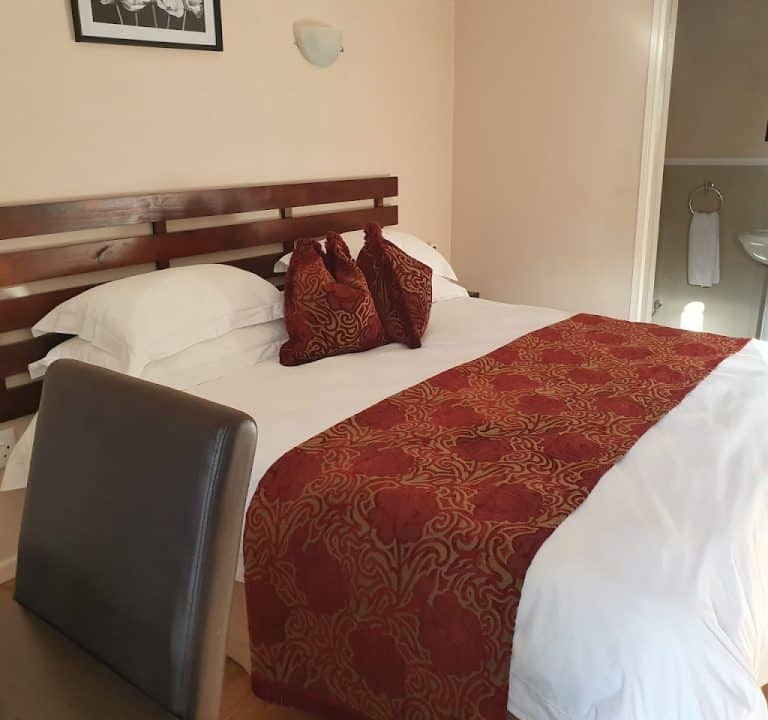
Accommodation and the Essential Guide to Staying in Cape Town, Western Cape
Cape Town is a city of contrasts, where mountain vistas meet ocean horizons and vibrant neighbourhoods offer distinct character. When planning a stay, consider areas that align with your pace, budget and interests. The City Bowl provides easy access to historic sights and cafés, the Atlantic Seaboard offers dramatic coastline and beaches, while Constantia and the southern suburbs deliver leafy tranquillity and wine country charm. For a stay that feels like a holiday within a holiday, a bed and breakfast such as 41onCedar Bed and Breakfast can provide a personal, home-from-home experience with attentiveness to guests and a sense of local life.
Accommodation in Cape Town ranges from stylish B&Bs and boutique guesthouses to contemporary hotels and self-catering apartments. When choosing where to stay, consider proximity to the sights you plan to visit, accessibility to transport, and the atmosphere you prefer. If you value a restful base after day trips, look for properties with quiet rooms, secure parking if you are driving, and informative hosts who can point you to the best eateries and viewpoints. If you crave nightlife and dining options within easy reach, the central districts and the Atlantic Seaboard are ideal. Always check reviews for consistency on cleanliness, service, and basic amenities.
Typical amenities to look for include en-suite bathrooms, reliable Wi-Fi, air conditioning or heating suitable for the season, and a good breakfast offering if you opt for a B&B. Some properties may provide guest lounges, outdoor spaces with city or mountain views, or guided local tips. In boutique settings, you may find stylish rooms with thoughtful touches like curated art, locally sourced breakfast produce, and advice on short walking routes around the neighbourhood.
Planning your transport is a practical part of the holiday. Cape Town has a mix of traditional taxis, ride-hailing services, and public transport options. The MyCiTi bus network is a practical choice for many routes around the metropolitan area, including accessing the centre, the V&A Waterfront, and major suburbs. If you plan to explore further afield or travel on a flexible schedule, renting a car can offer maximum freedom, especially for day trips to the Cape Winelands, the Cape Point reserve, or the scenic Constantia Valley. For safety and convenience, book transport in advance for late returns from excursions that take you to the surrounding neck of the bay and beyond.
Best time to visit Cape Town depends on your priorities. The summer months (November to March) bring long days, favourable sea conditions for beaches and boat trips, and a lively atmosphere along the coast. Autumn (March to May) often offers milder temperatures and quieter streets, which can be ideal for sightseeing without peak crowds. Winter (June to August) is cooler and wetter, yet still pleasant for mountain walks, cultural events, and indoor attractions with fewer visitors. Spring (September to October) is a bright, fresh period with blooming gardens and comfortable temperatures. Pack layers, a sun hat, a light rain jacket, and sturdy footwear to cover a range of activities from trail walks to harbour strolls.
When staying in Cape Town, a mix of experiences can complement your accommodation choice. Iconic natural attractions include viewpoints and trails on Table Mountain, easy walks along the Atlantic coastline, and picturesque beaches along the False Bay area. Cultural experiences can revolve around museums, galleries, and markets that showcase Cape flavours, crafts, and music. Day trips to nearby nature reserves, the Cape Peninsula drive, or a visit to the Cape Winelands add depth to a visit. Dining is varied, with casual eateries offering South African favourites, along with more formal restaurants that emphasise seasonal produce and seafood. In general terms, you will discover a thriving food scene that values local ingredients, coastal seafood, and contemporary takes on traditional dishes. For a memorable stay, it is worth asking hosts or reception staff for suggestions on hidden cafés, sunset vantage points, and easy walking routes suitable for all fitness levels.
For accommodation selection, consider the following practical checks before booking. First, confirm the cancellation policy and any seasonal surcharges. Second, verify access options—whether there is 24-hour check-in, secure parking, and each room’s privacy features. Third, read what is included in breakfast or room rate—some B&Bs offer substantial morning meals with freshly prepared options, while others provide continental or lighter choices. Fourth, assess neighbourhood safety and convenience to your planned activities, including whether night-time travel is practical from your chosen base. Finally, explore nearby conveniences such as supermarkets, cafés, and public transport stops, which make a stay smoother and more enjoyable.
One example of a welcoming base is 41onCedar Bed and Breakfast, a property that highlights the personal hospitality and local insight guests often seek in Cape Town. A stay here can serve as a comfortable home from home while you explore the city, with easy access to central sights and the surrounding regions. For planning details, you can visit the property’s website to learn about rooms, breakfast options, and location context: 41onCedar Bed and Breakfast.
In summary, a well-chosen Cape Town stay blends a convenient base with access to the city’s varied attractions, along with opportunities to sample outstanding local food and wine. By selecting the right neighbourhood for your interests, confirming practical details in advance, and keeping a flexible itinerary, you can enjoy a rich and varied visit to this remarkable corner of South Africa.