Accommodation and Highlights for a Stay in Soweto, Gauteng
Soweto is a vibrant tapestry of history, culture and everyday South African life, offering a range of places to rest your head that suit different budgets and experiences. When planning a stay in this dynamic part of Gauteng, consider areas that align with what you want to see and how you want to move around. Suburbs such as Dobsonville, Orlando, and Diepkloof each bring their own atmosphere, from residential calm to lively local hubs, while central corridors near Vilakazi Street provide instant access to some of the area’s most famous sites. For a more intimate stay, guest houses and small boutique lodges offer personalised service and a sense of place that larger hotels may struggle to match.
Accommodation in Soweto ranges from guest houses and B&Bs to mid-range hotels and self-catering options. Common amenities include private en-suite bathrooms, Wi-Fi, on-site parking, breakfast options, and a compact kitchenette or common-use spaces. Some properties offer curated experiences such as guided neighbourhood walks, cultural performances, or day trips to nearby museums and political history sites. When choosing where to stay, think about how you plan to travel around: staying in or near central Soweto makes it easier to join tours, while quieter pockets on the outskirts can provide a more relaxed retreat after busy days of exploring.
Key areas to consider for accommodation include:
- Orlando and Kliptown: close to core historic sites and a good base for day trips into central Pretoria or Johannesburg.
- Dobsonville and surrounding suburbs: typically more affordable, with a residential feel and easy access to local markets and eateries.
- Diepkloof and Pimville: convenient for connections to main roads, with a range of guest houses and smaller hotels.
- Vilakazi Street and central Soweto: ideal if you want to stay where the action is and be within easy reach of guided tours and museums.
When booking, look for clarity on inclusions and practicalities. Helpful details include whether breakfast is served, if parking is available, access to public transport links, 24-hour reception, and whether rooms offer safes or secure entry. Check cancellation policies and any restrictions on group bookings if you are travelling with a larger party. If you’re visiting during peak travel periods, it’s prudent to confirm a confirmed room type and any minimum-stay requirements in advance. Reviews from other travellers can be especially telling for guest houses, where personal touches vary from property to property.
Typical amenities you might encounter include free Wi-Fi, en-suite bathrooms with hot water on tap, air conditioning or fans for warmer months, and clean communal spaces. Many hosts prioritise a welcoming atmosphere, offering tips on local eateries, markets, and places to watch sports or live music. Some small properties may provide luggage storage, laundry services, or arranged airport transfers and guided excursions. Be mindful of your travel rhythm: a quiet guest house near transport hubs can save time if you plan to hop between neighbourhoods, while a more central option might let you stroll to evening markets or informal eateries.
Transport and Getting Around: Soweto is well connected by major roads and bus routes, with ride-hailing apps commonly used for short trips. If you plan to rely on public transport, check how easy it is to reach the property from city centres or from Johannesburg Park Station. For travellers who prefer flexibility, choosing accommodation with parking or easy access to a taxi stand can be a practical advantage. Consider how far you’re willing to walk in the heat of the day, especially during the summer months, and plan accordingly with light clothing and water.
Best Time to Visit: Soweto enjoys a year-round appeal, but the drier winter months (May to August) can be pleasant for outdoor exploration, with cooler evenings ideal for dining out. Spring (September to November) and autumn (March to May) are generally pleasant, offering comfortable conditions for walking tours and outdoor markets. If you’re interested in cultural events or performances, keep an eye on local calendars as some venues host evening programmes during weekends and holidays.
Experience ideas and practical tips to maximise your stay (without naming specific venues):
- Join a guided walking tour to gain context about Soweto’s history, street art and community life.
- Allocate an afternoon for a traditional meal at a local eatery and a visit to markets or craft stalls for authentic souvenirs.
- Plan a day that includes a visit to a museum or cultural centre, followed by a relaxed evening in a neighbourhood with live music or a casual dining scene.
- Pack comfortable footwear for pavements and uneven surfaces, and bring sun protection for daytime exploration.
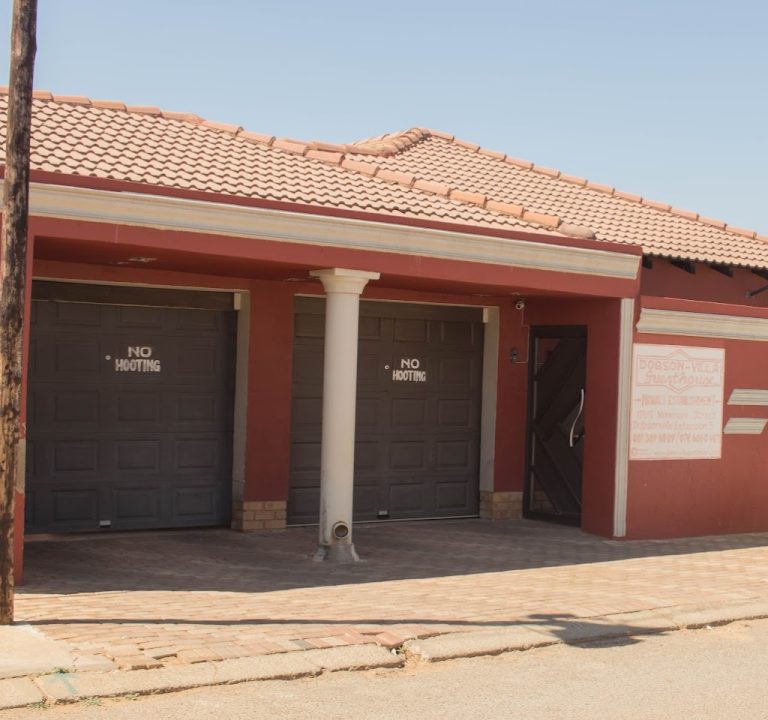
Practical tips for a comfortable and memorable stay: book early if you are travelling during public holidays or events, request room location details (such as upstairs vs ground-floor) and clarify check-in arrangements. Many visitors enjoy curating a modest itinerary that weaves together history, culture, and leisure, with a focus on safe, walkable areas and convenient transport options. For those seeking a home base with a personal touch, a guest house such as The Guest Dobsonville can offer a relaxing retreat after days spent exploring the vibrant streets and nearby sights. For more information on Soweto and to plan your trip, consult reputable local tourism resources and official visitor guides at reputable travel sites.