Accommodation and Experiences in Soweto: Plan Your Stay in Gauteng
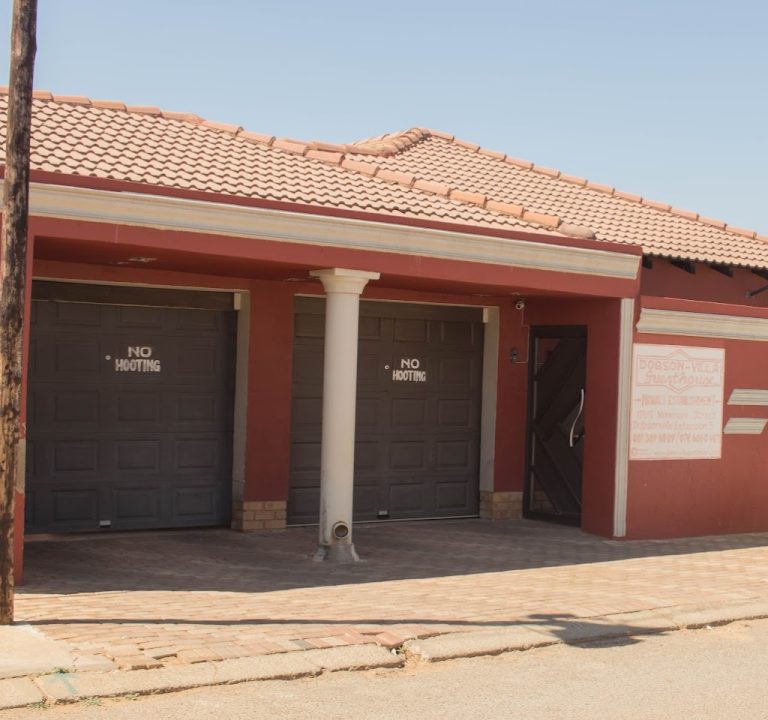
Soweto, a vibrant township just outside Johannesburg, offers a rich blend of history, culture and modern hospitality. From intimate bed & breakfast spots to larger guesthouses with welcoming communal spaces, the area provides a range of stays that suit different budgets and travel styles. For travellers seeking an authentic South African experience, staying in Soweto can be as much about the neighbourhood as the room itself. An example of a friendly option is Lethunathi Guest House II, a listed bed & breakfast that tends to appeal to visitors looking for a homely atmosphere and convenient access to key sights. While specific rates and availability will vary, such establishments typically emphasise personalised service and a lived-in sense of place.
Planning a stay in Soweto means weighing a few practical considerations. The township is laid out in a mosaic of suburbs and historic lanes. Popular areas for visitors include those closer to central Soweto where streets carry memories of the struggle for freedom, as well as more residential pockets that offer a calmer base for rest after a day of exploring. When selecting accommodation, consider proximity to your planned activities, transport options, and safety features. Some properties sit near major routes and taxi ranks, while others provide shuttle arrangements or easy access to ride-hailing services. If you’re unsure which area suits you best, a guesthouse with guest hosts or staff who can tailor recommendations tends to be especially helpful for first-time visitors.
What to look for when booking, and what to expect in Soweto, can help you make the most of your stay. Features such as secure parking or a safe reception area are useful, particularly if you plan to drive yourself or hire a car. Look for clear communication about check-in procedures, kitchen facilities if you plan to self-cater, and the availability of communal spaces where you can mingle with other travellers or relax after a long day. Many guesthouses and small hotels in Soweto advertise a breakfast service, which is convenient for early departures to attractions. A typical amenity set might include comfortable en-suite rooms, clean linen, reliable Wi‑Fi, and relaxed communal areas with seating and a daily housekeeping routine. Booking platforms often allow you to view guest reviews that mention the friendliness of staff, the accuracy of descriptions, and the overall value for money.
Transport is a key factor in planning. Soweto is well served by road networks and taxi routes, making day trips feasible. If you plan to visit multiple landmarks, you might opt for a stay near a main road or a central hub with easy access to guided tours. Public transport options exist, but many visitors prefer organised tours or private transfers to maximise time and reduce uncertainty. When staying in Soweto, you’ll likely find yourself negotiating shorter local journeys by car or on foot for short hops, particularly in and around the historic streets and markets. If you decide to venture further, consider combining a day in Soweto with a visit to nearby Johannesburg city sights or nature reserves outside the bustle of the urban core.
The best time to visit Soweto depends on what you’re seeking. Spring and autumn offer mild temperatures and pleasant conditions for outdoor strolls, museum visits, and street markets. Summer can bring warmth and occasional showers, while winter tends to be cooler but still comfortable for exploring with a light jacket. If your itinerary includes outdoor activities or walking tours, packing comfortable footwear and layered clothing is sensible. The local calendar features markets and cultural events throughout the year, so synchronising your stay with a market day or a guided township experience can enrich your visit.
When planning activities, Soweto offers a broad range of options that deliver insight into history, daily life and artistry, without relying on elevated claims. You can expect cultural experiences framed by informed guides, opportunities to learn about heritage sites, and chances to explore community-led crafts and culinary scenes in general terms. Major highlights often include historic homes and public spaces that tell stories of resilience, alongside vibrant districts where you can observe everyday life, browse stalls, and sample honest, home-style meals. For dining, you’ll encounter family-run eateries and local bistros that present uncomplicated, well-prepared fare reflecting the neighbourhood’s diverse influences. It is wise to check with your accommodation host for current recommendations and safe, reputable operators when arranging tours or tastings.
Practical tips for a smooth stay:
- Confirm check-in and check-out times and any security procedures in advance.
- Ask about on-site or nearby dining options, and whether breakfast is included or available to purchase.
- Inquire about guided tour arrangements through the guesthouse or trusted partners to ensure quality and safety.
- Respect local customs and neighbourhood norms, particularly around photography and interaction with residents.
- Pack a lightweight rain jacket or umbrella during wetter seasons, and comfortable walking shoes for street explorations.
In short, a stay in Soweto combines comfortable accommodation with the chance to engage with a living, evolving part of South Africa. Whether you choose a cosy bed & breakfast such as Lethunathi Guest House II or another welcoming property, you can expect warm hospitality, practical amenities, and easy access to a wealth of experiences—from historical landmarks and cultural storytelling to lively eateries and markets. Plan thoughtfully, keep safety in mind, and allow time for spontaneous discoveries as you traverse Soweto’s distinctive streets. For more information, consider visiting reputable travel guides and the websites of approved guesthouses to confirm current offerings and accessibility.