Discover Soweto: Accommodation and Experiences for a Memorable Stay
Soweto, perched just to the south-west of central Johannesburg, offers a rich tapestry of history, culture and warmth. When planning a stay here, consider choosing accommodation that puts you close to authentic neighbourhood life while still offering easy access to the city’s wider attractions. Soweto is best experienced by foot, bicycle, or a short taxi ride, so look for places that are well connected to main roads and reliable transport hubs. A mix of guesthouses, small hotels and family-run lodges can provide a comfortable base with real character, and sometimes a personal touch that larger hotels struggle to match.
Areas to consider include the northern and central parts of Soweto, where many guesthouses and boutique stays are tucked into leafy residential streets. These areas often offer a quieter ambience and a sense of daily life in Soweto, paired with proximity to markets, cafés and small eateries. If you prefer a more vibrant, active atmosphere, stay closer to the central or southern districts where you’ll find a wider array of dining options, traditional markets and guided tour meeting points. When researching Ramohlola’s guesthouse or similar establishments, check for a balance between privacy and hospitality, and for hosts who can share insider tips on local routes, safe neighbourhoods and authentic experiences.
What to look for when booking a Soweto stay:
- Accessibility and transport links: a location near main roads or bus routes helps, especially if you plan day trips or want to join guided tours. If possible, choose a property with clear directions from a nearby bus or taxi stand.
- Safety and neighbourhood character: read prior guest reviews to gauge safety, parking arrangements and whether the neighbourhood suits your plans—whether you’re looking for a peaceful retreat or a base close to markets and street food.
- Authentic experiences: many guesthouses offer local breakfasts and opportunities to connect with hosts about township culture, art and history tours. Look for hosts who can tailor suggestions to your interests, whether that’s music, history, or architecture.
- Amenities and comfort: expect practical essentials such as clean en-suite bathrooms, reliable hot water, good wi-fi, secure parking, and the option for early breakfast if you’re starting a day early for tours.
- Meal options: some properties provide home-cooked meals or packable breakfasts, while others may be near family-run eateries where you can sample traditional dishes. If you have dietary needs, confirm options in advance.
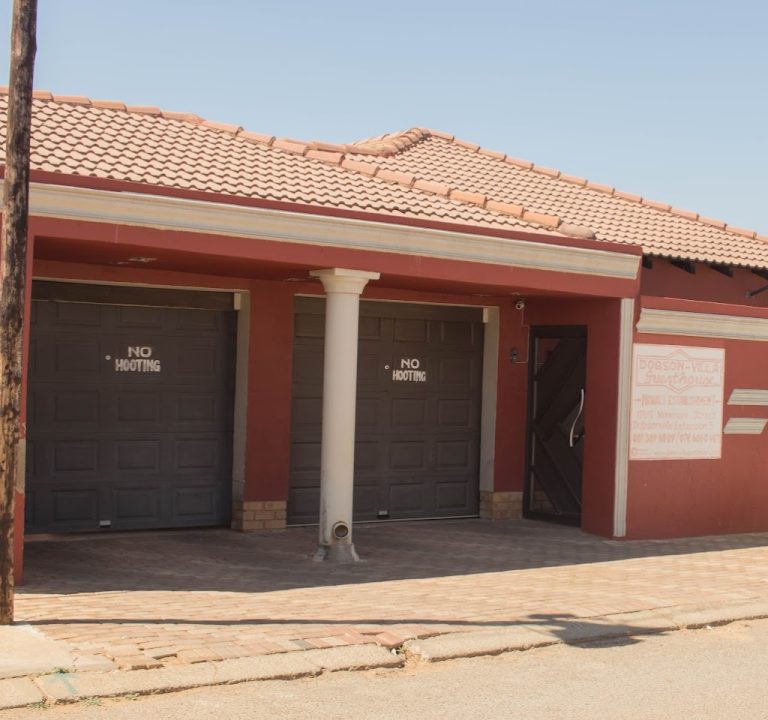
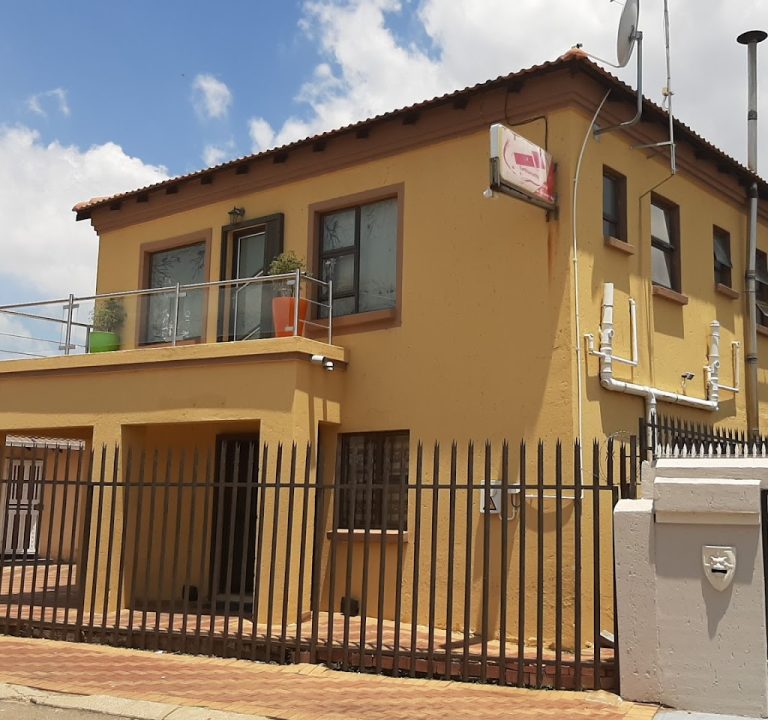
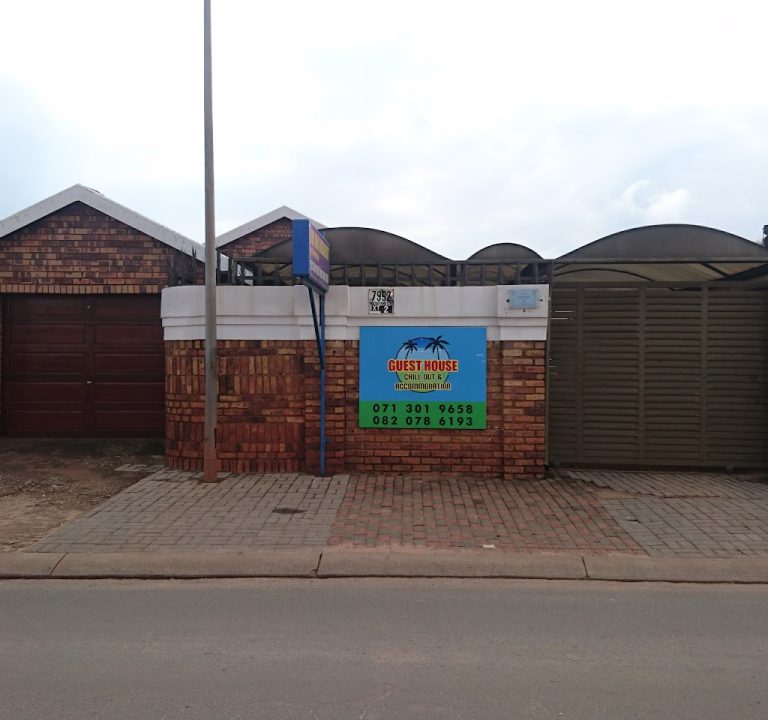
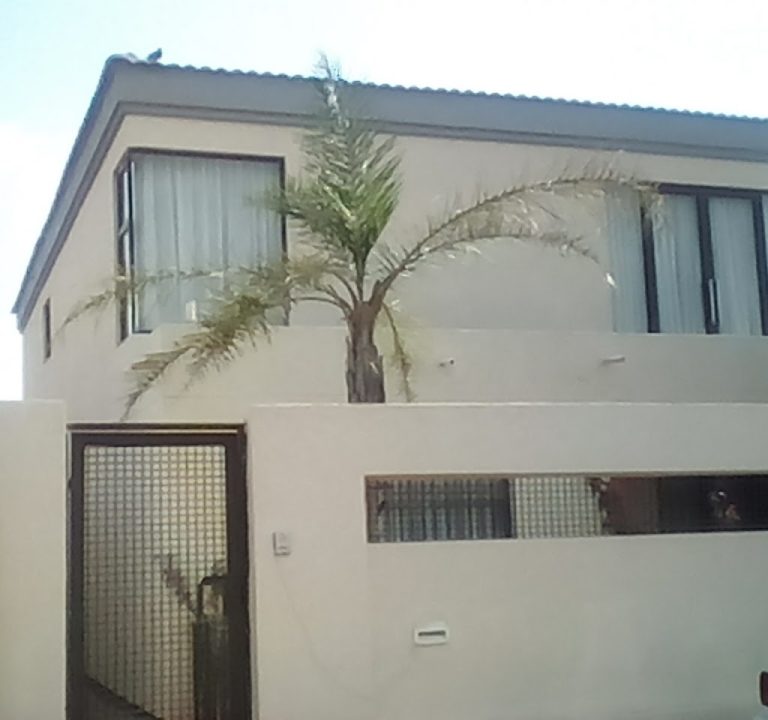
Typical amenities you may encounter in Soweto stays include warm, personalised service, comfortable rooms, and shared or private living spaces that encourage mingling with other travellers. A guesthouse like Ramohlola’s can offer a home-from-home atmosphere and a convenient base for exploring the township’s sights, while other small lodges may focus on quiet courtyards, outdoor seating and a relaxed pace after a day of sightseeing.
Transport tips to plan your stay well: arrange airport or city transfers in advance if possible, as some routes can be busy. For day trips to nearby landmarks, it helps to know which operators run tours from central Soweto meeting points and to understand typical travel times during peak traffic. If you are renting a car, verify parking options, particularly in residential zones where on-street parking may be limited. For those relying on public transport, comfortable walking shoes and a small map or offline navigation can be invaluable for exploring markets, museums and historical sites at your own pace.
Best time to visit Soweto largely mirrors Johannesburg’s climate. The dry season (roughly May to September) brings sunny days and cooler evenings, which is ideal for outdoor walking tours and photography without the heat. The rainy season (roughly November to March) can be humid, with afternoon showers, but it often complements bustling markets and indoor cultural experiences. If you’re chasing festivals, music events or special markets, check local calendars in advance and plan around weekends when venues and street-life tend to be livelier.
During your stay, consider a balanced mix of accommodation, dining and daytime activities. For lodging, aim for hosts who offer recommendations for authentic, safe experiences—people-respecting local guides, community projects, and art-filled spaces that celebrate Soweto’s heritage. For meals, explore a handful of family-run eateries and casual cafes where you can sample traditional staples and modern twists on favourite dishes, rather than sticking to the most touristy venues. For sightseeing, a blend of outdoor sculpture walks, memorial sites and museums can provide depth without feeling overwhelming, especially if you pace your days with restful breaks at your accommodation.
Practical tips to enhance your visit:
- Always carry local currency for markets and casual eateries, and have a small bottle of water with you when you’re out exploring.
- Respect local communities and dress modestly when visiting residential areas or community spaces, and follow hosts’ guidance on photography where requested.
- Discuss your planned activities with your host; they can often suggest safe routes, hidden gems and culturally respectful experiences that aren’t widely advertised.
- Ensure you have clear directions back to your accommodation and a contact in case of any delay or confusion, especially if you are navigating busy streets after sunset.
Overall, Soweto offers a welcoming blend of warmth, history and everyday life. With careful planning—focusing on neighbourhood character, accessible transport, comfortable amenities and hosts who can point you toward enriching local experiences—you can design a stay that feels both relaxing and enlightening. Whether you choose Ramohlola’s guesthouse or another modestly spirited property, a well-chosen base will unlock the best of Soweto’s culture, cuisine and stories.