Staying in Soweto: Accommodation, attractions, dining and practical tips
Soweto, a vibrant neighbourhood just outside Johannesburg, offers a rich mix of history, culture and friendly hospitality. When planning a stay, think about the rhythm of the day you want to experience: quieter residential streets with easy access to museums and markets, or a buzzy centre where landmark sites, cafés and shops are within walking distance. Accommodation in Soweto ranges from guest houses and smaller boutique stays to more contemporary lodges, each with their own character and price range. A stay close to Vilakazi Street or the central precincts can be very convenient for sightseeing, while more residential pockets provide a calmer base and a more local flavour.
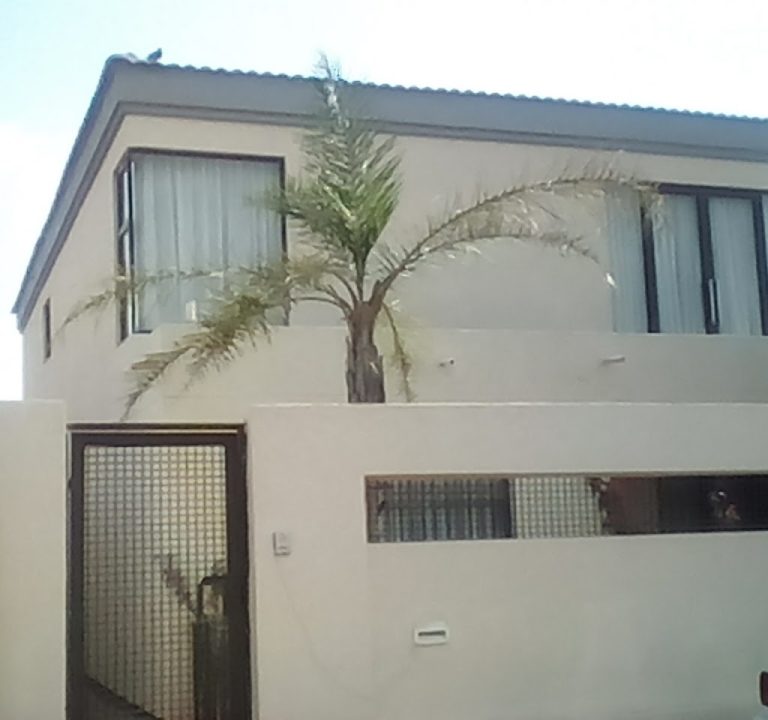
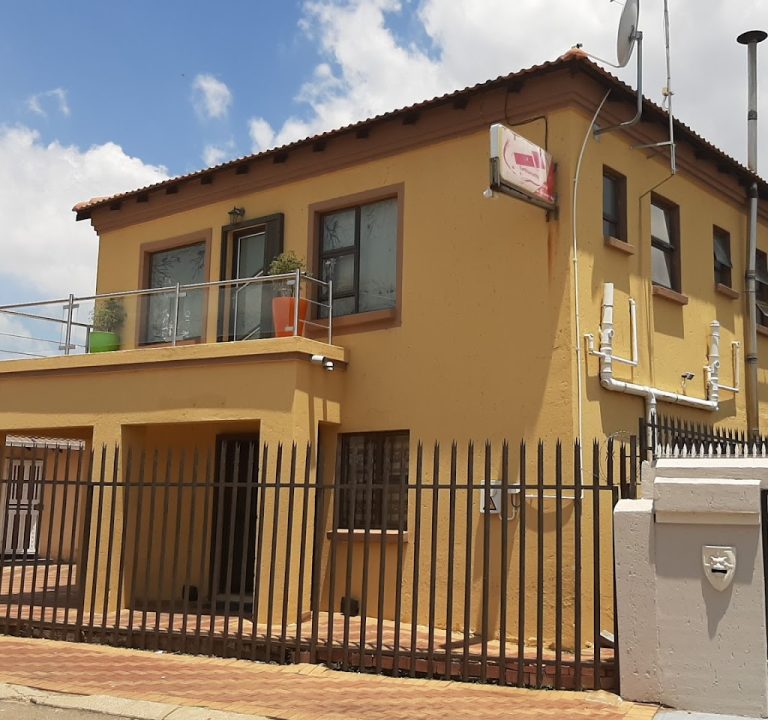
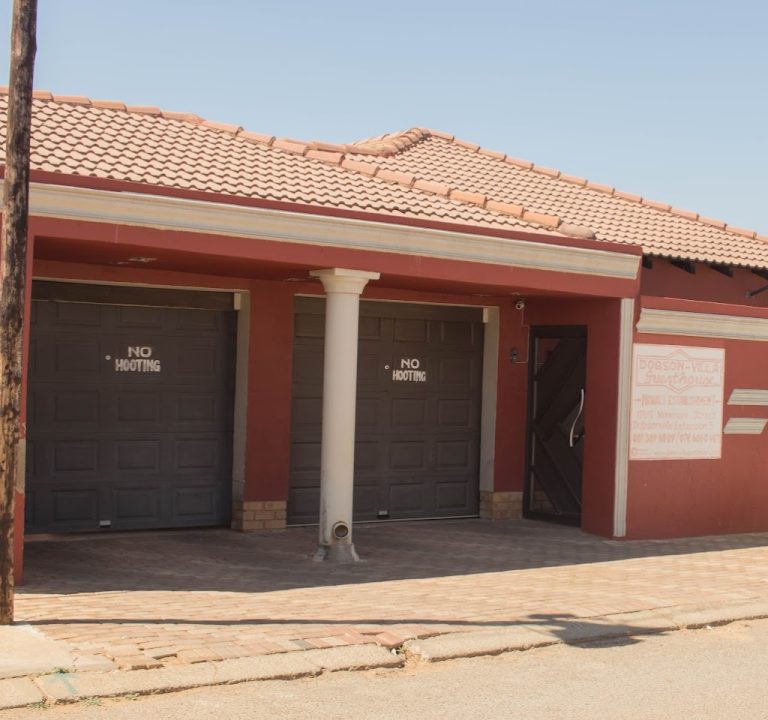
One notable option within the guest house category is Lethunathi Guest House, a small, traditionally styled guest house that offers a local hospitality experience without sacrificing comfort. Guest houses in Soweto typically focus on warm, personalised service, breakfast options and spaces where guests can mingle with hosts and other visitors. Expect well-equipped bedrooms, en suite or shared bathrooms, and communal areas such as a veranda, garden or braai (barbecue) space. In many cases, you’ll find homemade meals or a simple continental breakfast to start your day, with hosts available to share tips on neighbourhood eateries and routes for touring the area.
Transport is an important consideration. Many guests choose to book a stay with easy access to major routes or to arrange airport transfers and guided outings. Public transport options exist, but for flexibility and safety, private transfers or hop-on guided tours can be a more convenient choice. If you prefer to explore on your own timetable, opting for a stay with off-street parking or a secure parking option nearby can be a practical advantage.
Areas to consider when selecting your base include the central, pedestrian-friendly corridors around Vilakazi Street, which is home to historic houses and shops, or the broader townships where you can observe daily life and street markets from a comfortable distance. Some visitors enjoy staying in more residential parts of Soweto to experience local hospitality, while others opt for easy access to attractions along major routes with straightforward taxi or ride-hailing options.
When booking, look for a few practical features that can make a difference to your stay. A good guest house or boutique hotel in Soweto should offer secure access, reliable housekeeping, and clear information about local transport and activities. If you’re planning to explore on foot after dark, check that the property has well-lit surroundings and safe neighbourhood guidance. A trustworthy host or manager who can recommend reputable tours, local eateries and cultural experiences is a big plus.
Typical amenities to look for include Wi-Fi access, air conditioning or fans for warmer days, clean and well-maintained bathrooms, and a comfortable communal space for relaxing between adventures. Some accommodations may provide a small kitchen or tea-and-coffee facilities in the room, which can be handy for travellers arriving late or with dietary preferences. Breakfast options, secure parking and assistance with arranging guided tours or city passes are all positive indicators of a guest house’s value for money.
Dining in Soweto is a key part of the experience. Expect a range of offerings from traditional home-style cooking to contemporary pan-African dishes. Many local eateries emphasise generous portions and bold flavours, with options that may cater to various dietary needs. While you won’t find a single, fixed “restaurant scene” name across Soweto, the area rewards curious diners who explore a few different venues—often guided by hosts or fellow travellers for authentic, off-the-beaten-path experiences. If you’re staying in a guest house, ask your host for recommendations on safe, authentic spots nearby.
Best time to visit Soweto largely mirrors Johannesburg’s climate. The dry winter months (roughly May to August) tend to be comfortable for outdoor activities and sightseeing, while the warmer summer season (October to March) brings lush greenery and occasional afternoon showers. If your travel plans include longer daylight hours for walking tours and markets, the late spring and early autumn periods can be particularly pleasant. Remember to check the local weather forecast and pack appropriately, as temperatures can vary across the day.
Attractions and experiences in Soweto can be enjoyed at a gentle, leisurely pace. Historical insights are often the focus of guided visits, with opportunities to learn about the area’s pivotal role in the country’s history, as well as its ongoing cultural vibrancy. Outdoor markets, craft stalls, and community spaces provide a window into everyday life, while some venues offer performances or exhibitions that reflect contemporary Soweto culture. When planning your itinerary, balance time between landmark stops and opportunities to simply observe the neighbourhood life—the latter can be as enriching as the formal sites.
Practical tips for a smooth stay:
- Do some advance planning but stay flexible to accommodate hosts’ recommendations and seasonal events.
- Pack comfortable walking shoes and a light layer for cool evenings, especially if you’ll be outdoors in the dry season.
- Respect local customs and take modest precautions when exploring less crowded streets after dark.
- Keep a copy of important travel documents and have a flexible payment method for markets and small shops.
- Ask your accommodation hosts about reliable transport options and safe routes to attractions and restaurants.
Overall, Soweto offers a warm, community-led travel experience with charming places to stay and a tapestry of heritage and culture to explore. Whether you choose a centrally located guest house near Vilakazi Street or a quieter residential base to soak up everyday life, planning thoughtfully will help you make the most of your visit to this iconic Gauteng neighbourhood. For more information and to explore booking options, you can visit general tourism resources or the host’s own site if available.