Staying in Soweto: Lodgings, Local Flavour and a Practical Visitor Guide
Soweto, a vibrant township on the southern edge of Johannesburg, offers a rich tapestry of places to stay that range from simple guesthouses to more intimate lodges. The key to a memorable visit is balancing comfort with proximity to the areas that give Soweto its character: lively streets, historical sites, and a sense of community that greets travellers with warmth. When planning where to stay, consider what you want to get from your visit—cultural immersion, easy access to transport, or a quieter neighbourhood base for day trips into central Johannesburg or further afield.
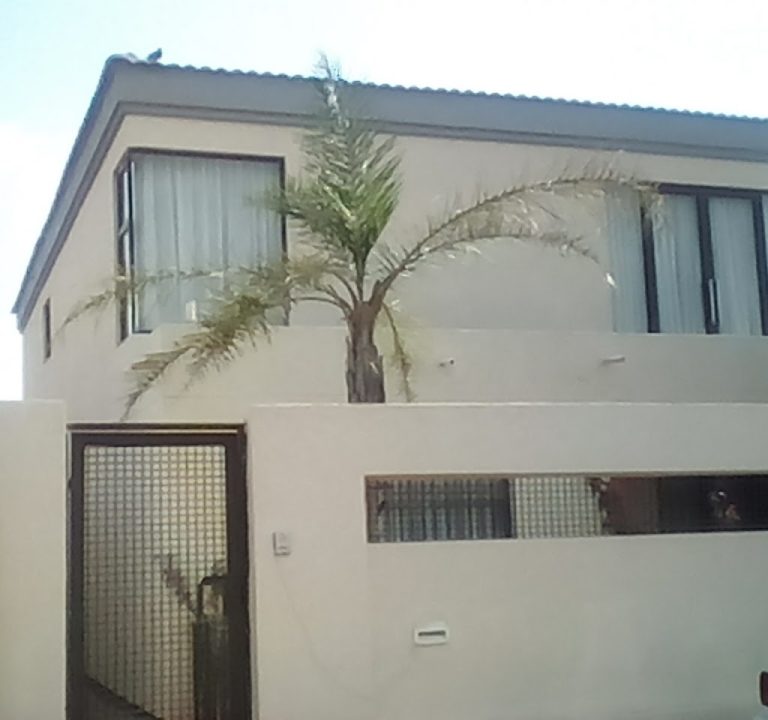
Accommodation options span guesthouses tucked into leafy backstreets, small family-run lodges near the main thoroughfares, and self-catering apartments that provide a comfortable home base. Places in or around Orlando, Diepkloof, Pimville, and Naledi tend to offer convenient access to the township’s major sights while still feeling local and personable. A stay in a guesthouse or homestay can provide insightful conversations with hosts and fellow travellers, as well as tips on less-touristy routes, market days, and traditional eateries. If you prefer a more self-contained stay, serviced apartments or lodges with kitchen facilities can be particularly convenient for longer visits or for families.
What to look for when booking a place in Soweto is as important as what to do while you are there. Prioritise hosts and properties that emphasise security, clear guest policies and good lighting. Check how access is arranged after dark, and whether the neighbourhood has street lighting and reliable public transport links in the evenings. Look for hosts who outline practical details such as parking arrangements, gate security, and the proximity to bus or taxi routes. A clear cancellation policy and responsive communication are also helpful in case you need to adjust plans at short notice.
Typical amenities that make a stay comfortable include ensuite bathrooms, reliable Wi‑Fi, daily housekeeping or regular tidying, and a well equipped kitchen or kitchenette if you are staying in a self-catering unit. Many Soweto accommodations offer communal spaces such as a courtyard, garden or shared lounge, which can be a wonderful place to meet other travellers or simply relax after a day of exploring. Air conditioning or fans can be particularly welcome in the warmer months, while heating is appreciated for chilly evenings. A complimentary breakfast can be a nice convenience, but many hosts also point guests towards neighbourhood markets and popular local eateries for authentic meals at reasonable prices.
Transport is a practical consideration. Soweto is well connected by a network of minibus taxis, city bus routes and ride-hailing services, making it feasible to explore without a car. If you prefer not to rely on public transport, enquire about on‑site parking or proximity to taxi stands. For day trips, plan routes that maximise safety and time—for instance, grouping sights that are geographically close to reduce travel between sites. Remember that some roads in and around Soweto can be busy at peak times, so it pays to allow extra time for travel between attractions.
The best time to visit Soweto largely aligns with South Africa’s temperate climate. Spring and autumn typically offer pleasant temperatures for outdoor exploring, markets and street photography. If you are interested in festivals or markets, check local calendars in advance, as these events can be seasonal and popular with both locals and visitors. Summer showers are possible, so pack a light rain jacket and comfortable walking shoes. Winter can be cooler in the evenings, but many outdoor venues remain lively and welcoming, especially on sunny days.
When planning your itinerary, include a mix of historical, cultural and culinary experiences. Soweto’s story is told most vividly through its museums, monuments and guided tours that focus on resilience and change. A stroll through bustling street scenes can reveal arts, crafts and markets where you may find handmade jewellery, textiles and curios. For dining, you are likely to encounter a spectrum of options—from casual eateries offering traditional fare to more contemporary spots that reinterpret local ingredients. While exact names and prices are variable, most places pride themselves on friendly service and a welcoming atmosphere, often with opportunities to learn about local food traditions.
Practical tips to help you plan your stay:
- Book accommodation with good security and clear guest access details, preferably with a host who speaks your language or understands your needs.
- Choose a neighbourhood based on your interests—Orlando areas for a lively atmosphere and proximity to key sites, Pimville for a more residential feel, or Diepkloof for straightforward transport links.
- Check transport options and times, especially if you plan evening activities; some routes are more frequent in daylight hours.
- Pack adaptable clothing for variable weather and comfortable footwear for walking on uneven streets in parts of the township.
- Respect local customs and dress codes when visiting community spaces and markets; ask hosts for guidance if unsure.
For ideas on where to stay and how to plan further, reputable tourism resources offer background on Soweto’s districts, recommended routes and practical travel tips. Visiting Soweto can be deeply rewarding, with welcoming hosts, authentic food experiences and a sense of history that lingers long after you depart. You can start exploring options and planning routes through established travel sites or the official regional tourism portals.