Planning a Stay in Cape Town: Accommodation, Areas, and Local Flavour
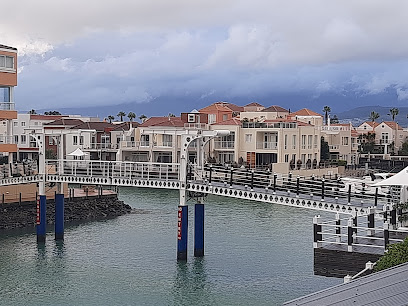
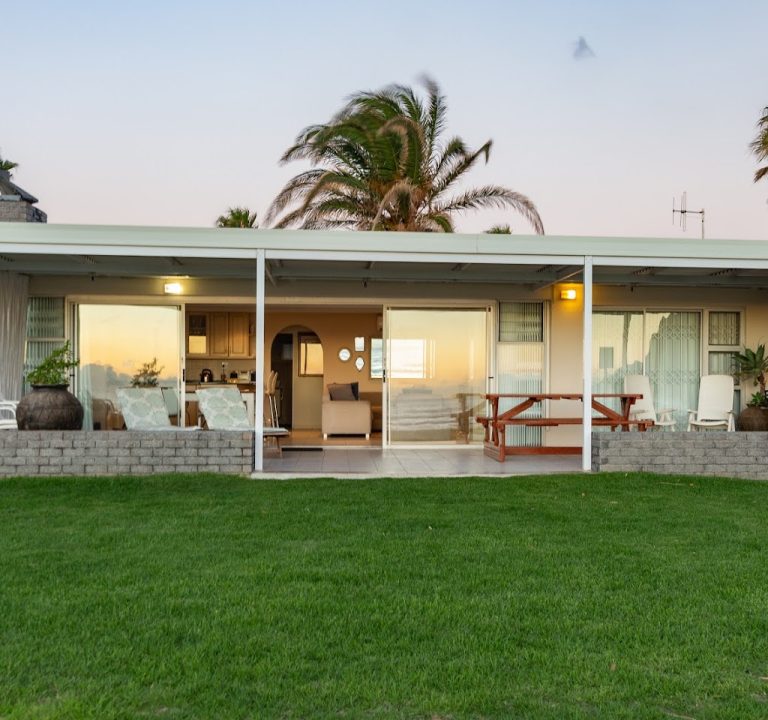
Cape Town blends natural beauty with a rich urban tapestry, making it possible to tailor a stay to almost any travel pace. When choosing accommodation, consider how you want to move around the city, which views you prefer, and how close you want to be to the sights that draw you here. From modern self-catering apartments to cosy guesthouses and design-led boutique stays, there are options to suit couples, families, and solo travellers alike. For those seeking a practical base with easy access to sights and beaches, holiday apartments such as the Boardwalk Accommodation offer convenient options right by the coast and within reach of central attractions via reliable public transport or short drives.
Areas to consider
Green Point and the Atlantic Seaboard provide breathable air, long promenades, and close proximity to the V&A Waterfront, the beaches, and hiking trails. The area is well-served by cafés, restaurants, and convenience shops, making it easy to stroll to meals and amenities. Camps Bay offers dramatic sunset backdrops and a resort-like atmosphere, though it tends to be pricier and quieter in the shoulder seasons. If you prefer a more urban, bohemian vibe with direct access to markets and cultural sites, neighbourhoods such as Woodstock, Salt River, and De Waterkant deliver a different flavour of Cape Town life. For families or those seeking a quieter residential feel, Constantia and the southern suburbs provide green hills, wine estates, and more room to spread out, while still keeping the city within reachable distance.
Booking considerations
When booking, think about what you plan to do most days. If you anticipate long days out exploring mountains and beaches, a place with a comfortable living area and reliable wifi can make evenings relaxing rather than rushed. Proximity to public transport can be a major time-saver; many visitors opt for accommodation with easy access to MyCiTi bus routes or major roads for car hire. If you plan to drive, check parking arrangements—whether the property offers secure on-site parking, guest access to gated parking, or nearby streets with affordable options. For families, a stay with a kitchenette or cooking facilities helps manage meals and budgets, while couples may prefer properties with a balcony or sea views for a romantic backdrop after a day’s touring.
Amenities and practicalities
Typical amenities to look for include a well-equipped kitchen or kitchenette, daily housekeeping options, and in-room storage for longer stays. A comfortable bed, adequate heating or cooling, and a quiet environment are worth prioritising since Cape Town can vary in temperature and humidity. Consider whether the accommodation offers linen, towels, soap, and basic kitchen essentials, along with a good shower and a reliable water supply. For longer visits, in-unit washing facilities or on-site laundry services can be a practical bonus. If you travel with children or require accessibility considerations, check for stair-free access, elevator availability, and child-friendly features such as cot rental or high chairs where needed.
Transport and getting around
Cape Town’s geography means some attractions are straightforward to reach on foot or by a short taxi ride, while others are better accessed by car or rideshare. The V&A Waterfront, the Table Mountain Cableway picnic spots, and many sunset viewpoints are well-served by public transport and pedestrian-friendly routes. If you plan to hike or surf, choose accommodation with convenient access to the location’s starting points or with easy parking. For visitors who prefer not to drive every day, select a stay near major transit hubs or within walkable districts to maximise time spent on experiences rather than logistics.
Best time to visit
Cape Town enjoys a temperate climate with a Mediterranean pattern: dry summers, mild springs and autumns, and a wetter winter period. The shoulder seasons—late spring (September to November) and autumn (March to May)—often deliver pleasant weather with fewer crowds and reasonable room rates, making them popular for city and coastal explorations. Summer brings longer days for beach-going and outdoor markets, though it can be busier and more expensive. Winter, while cooler and wetter, offers excellent conditions for diners and wine-lovers keen to explore Cape Town’s vibrant culinary scene and nearby wine routes.
What to do and where to eat (general guidance)
During a stay in Cape Town, you’ll have access to a wealth of experiences from scenic coastal walks and coastal drives to mountain hikes and cultural tours. In urban areas, you’ll find a mix of casual eateries and fine dining that celebrate regional produce and international influences. Outside the city, False Bay and the Cape Winelands offer day trips with vineyard visits, coastal viewpoints, and opportunities to sample local seafood and regional wines. While this article keeps to general suggestions, booking your accommodation in a central, well-connected district can help you make the most of both city life and nature-based adventures. For guests looking to combine convenience with a taste of the locale, consider browsing holiday apartments that provide the comfort of home plus proximity to key sights, such as the coast, markets, and cultural hubs. For more information about a practical stay near the coast, you can explore options at Boardwalk Accommodation.
- Book with flexibility where possible to adjust for weather or new plans.
- Prioritise a comfortable bed and quiet surroundings for restful nights after full days of sightseeing.
- Check transport options and parking in advance to avoid last-minute stress.
- Look for properties with basic kitchen facilities to manage meals efficiently.
- Plan a mix of activity days and relaxing evenings to balance pace and energy.