Cape Town: Where to stay, what to do and how to plan your visit
Cape Town is a gateway to spectacular scenery, fragrant coastal districts and a vibrant dining scene. With a coastline that spirals from the Atlantic shore to rugged mountain slopes, choosing the right place to stay can shape your whole experience. From historic boutique guesthouses in leafy suburbs to modern self‑catering apartments along the coast, there are options to suit most budgets and travel styles. When planning a stay, consider what kind of base will put you closest to the things you want to see, as well as how you prefer to move around the city.
Neighbourhoods to consider include the central City Bowl, which is handy for museums, markets and nightlife; the V&A Waterfront area, ideal for families and easy access to excursions; and the Atlantic seaboard towns such as Sea Point, Green Point and Camps Bay, which offer sea views, promenades and a more relaxed pace. For a quieter residential experience with easy access to nature, Constantia or the southern suburbs can be excellent choices. If you’re after a beach‑front stay with direct access to the promenade, look for properties along the Atlantic Seaboard or along the Cape Peninsula’s northern beaches. When booking, check how close your accommodation is to the attractions you want to visit and whether public transport or parking is convenient.
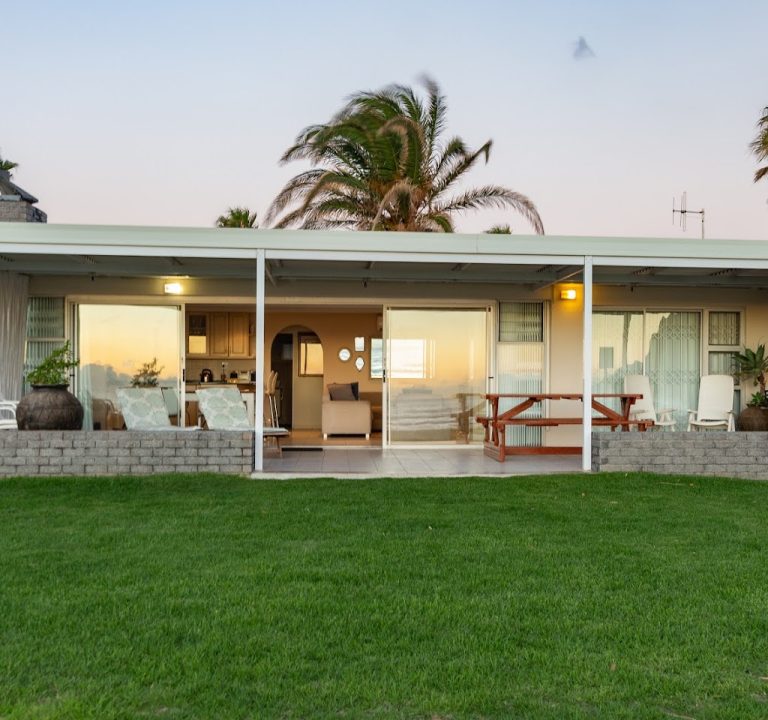
Typical amenities in Cape Town properties include well-equipped kitchens or kitchenettes, reliable Wi‑Fi, secure parking, and access to outdoor spaces such as balconies or small gardens. Many guesthouses and boutique hotels offer breakfast included, and some self‑catering apartments may provide plunge pools or communal facilities like laundries and gyms. If you’re travelling with family or a group, look for accommodation with multiple bedrooms or lounge areas to create comfortable living space. For business trips or longer stays, a Workspace/desk setup and good lighting can make a real difference.
Transport in Cape Town can shape how you plan your days. Car hire offers maximum flexibility, particularly if you want to explore the Cape Peninsula (including notable routes such as Chapman’s Peak Drive and the Cape Point reserve). If you prefer not to drive, many properties are within reach of MyCiTi bus routes, and some areas have reliable on‑demand services or easy taxi access. Proximity to a MyCiTi stop or rail links can cut travel times and be more convenient during peak hours. When selecting a base, check whether the property offers secure off‑street parking or easy access to public transport, heating/cooling options for seasonal fluctuations, and how closely it sits to the attractions you plan to visit.
Best time to visit Cape Town depends on what you want from the city. The peak tourist season runs from late spring to early autumn (roughly September to March), when the weather is warm and dry, making beaches and outdoor activities especially appealing. Shoulder seasons can offer fewer crowds and good value for accommodation, while winter (May to August) brings cooler winds and occasional rain, which can be ideal for wine country touring and city galleries without the throngs of summer visitors.
Practical tips to help you make the most of your stay:
- Book accommodation with flexible cancellation policies where possible, especially if your plans might change with weather or travel advisories.
- Prepare for varied terrain: the city’s hills and coastal roads can be steep, so consider comfortable footwear and a light jacket for cooler evenings near the coast.
- Plan day trips to neighbouring regions like wine districts and the Cape Peninsula, allowing time for slow, scenic drives and photo opportunities.
- Secure a good base near the activities you care about, whether that’s a museum walk in the city, sunrise views from a mountain, or sunset snacks along the coastline.
- When dining out, be prepared for a mix of casual eateries and fine dining, with a strong emphasis on seafood and fresh produce from local markets and farms.
In terms of experiences, Cape Town offers a broad range of visitor activities without needing to rely on one particular venue. Landmarks such as the iconic Table Mountain, the botanical richness of Kirstenbosch, and the family‑friendly spaces around the V&A Waterfront provide memorable contexts for relaxed days. For a deeper cultural immersion, consider exploring markets, local art galleries and guided walks that cover the city’s diverse neighbourhoods and histories. Outdoor lovers can combine coastal walks with visits to nearby nature reserves and viewpoints, while food lovers can enjoy fresh, seasonal cuisines in a spectrum of settings, from casual cafés to refined dining rooms.
When you’re ready to plan, start with a shortlist of three to five areas that fit your pace and interests, then compare what each offers in terms of access to transport, local services, and the character of the surroundings. Cape Town rewards curious travellers with a balanced blend of natural beauty, urban energy and culinary delight. A well‑selected base, thoughtful itinerary and flexible timing will help you capture the best that the city and its surroundings have to offer.