Cape Town Stays and Sights: A Practical Guide to Accommodation and Experiences
Cape Town blends dramatic scenery with a rich mix of urban and outdoor experiences, making it a standout destination for a well-balanced stay. When planning where to base yourself, consider the rhythm of the city and the distances between neighbourhoods, so you can maximise sightseeing without long, tiring commutes. Whether you favour a chic hotel near the V&A Waterfront, a hillside guesthouse with sea views, or a modern apartment in a buzzy neighbourhood, there are options to suit every style and budget.
In central Cape Town, the City Bowl and the historic Church Street corridors offer a convenient base for exploring cultural attractions, markets, and a wide choice of eateries. For harbour views and easy access to boat tours, the V&A Waterfront is ideal, while the Atlantic Seaboard—encompassing areas such as Camps Bay and Sea Point—provides dramatic ocean scenery, vibrant dining, and sunset strolls along the promenade. For wine lovers and those seeking a tranquil escape, Constantia Valley and the southern suburbs offer leafy tranquillity, wine estates, and garden viewpoints just a short drive from the city centre.
Accommodation types range from boutique hotels and guesthouses to self-catering apartments and larger hotels. When choosing where to stay, consider the following practical factors:
- Proximity to your planned activities: think about convenience for Table Mountain access, Robben Island tours, or days at the beach.
- Transport arrangements: whether you’ll rely on taxis, ride-hailing services, or car hire, and if your base has parking or easy access to public transport.
- Room layout and amenities: breakfast options, on-site dining, air conditioning, secure parking, reliable Wi-Fi, and a comfortable workspace if you’re combining travel with work.
- Staff and service style: some guests value personalised attention and local recommendations, while others prefer self-contained or apartment-style stays.
Typical amenities you might encounter include complimentary or continental breakfasts, 24-hour reception, or security features such as gated entrances. Some properties offer concierge services that can arrange tours, restaurant bookings, or personalised itineraries. For a stay with a touch of ocean ambience, properties along the Atlantic Seaboard often provide sea-facing rooms or terraces, while city-centre hotels may boast easy access to nightlife and galleries.
Transport in Cape Town is generally straightforward but varied by area. If you’re staying near the city centre or the Waterfront, many attractions are walkable, and hop-on hop-off buses can help cover longer routes. For more flexibility, renting a car gives you the option to explore Cape Point, the Cape Winelands, or Kirstenbosch Gardens at your own pace. Always check parking availability and whether the property offers shuttle services to key sights or the airport. Be aware that some routes, including certain hill climbs to neighbourhoods like Camps Bay or Table Mountain, can be steep; plan accordingly if you have mobility considerations or heavy luggage.
The best time to visit Cape Town depends on your priorities. The city enjoys a Mediterranean climate with warm, dry summers and cooler, wetter winters. Peak sunshine and vibrant outdoor events typically occur from late spring to early autumn (roughly October to April). If you’re seeking good air quality, spring and autumn can be pleasant, with fewer crowds than in peak summer. Remember that the weather can change quickly in the mountains and along the coast, so pack layers, sun protection, and a light waterproof layer for sudden showers.
When planning your itinerary, balance iconic sights with downtime. A visit to the heights of Table Mountain via cable car or a scenic hike is worth combining with a stroll through historic streets, markets, and museums. For nature lovers, Kirstenbosch National Botanical Garden offers shaded paths and seasonal blooms, while Cape Point and the Cape of Good Hope provide expansive coastal scenery. On the coast, beaches such as Clifton or Camps Bay offer sun, sea, and striking backdrops—perfect for a relaxed day followed by sunset drinks.
For dining and eating out, Cape Town’s restaurant scene ranges from casual coastal cafés to refined dining. Expect influences from maritime seafood traditions, African-inspired flavours, and fusion menus that reflect the city’s multicultural palate. If a restaurant is particularly popular, consider booking ahead or asking your accommodation host for recommendations and reservations. Local markets also offer a taste of Cape Town’s culinary craft, with fresh produce, baked goods, and artisanal products that reflect neighbourhood character.
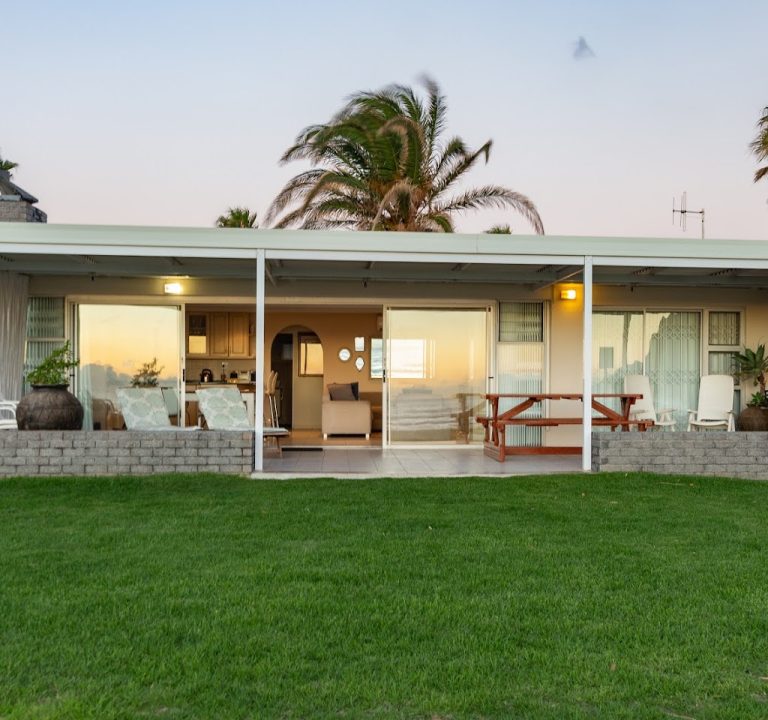
To illustrate accommodation as an example, consider properties such as Krystal Beach Hotel, which sits in a coastal setting offering contemporary rooms and on-site facilities. Guests often value proximity to beaches and straightforward access to coastal walks. For those seeking a landing point with easy access to both city attractions and the waterfront, such properties can provide a convenient balance between relaxation and exploration. Explore the official website to learn more about room options, facilities, and location specifics: Krystal Beach Hotel.
Practical tips to help you plan your Cape Town stay:
- Confirm what transport is included or readily available from your base, including airport transfers or shuttle services to major sights.
- Ask about accessibility options if you have mobility considerations or require convenient lift access, especially for hilly neighbourhoods or properties with stairs.
- Check cancellation policies and weather-related contingency plans, particularly if your trip hinges on outdoor activities or ocean-based excursions.
- Pack appropriate layers and sunscreen, and be mindful of the strong sun along coastal areas even on cooler days.
With careful planning, Cape Town offers a flexible framework for experiencing natural beauty, urban culture, and memorable dining. By selecting a well-situated base and layering your days with iconic sights alongside restful downtime, you can craft a balanced itinerary that captures the essence of the Western Cape’s most vibrant city.