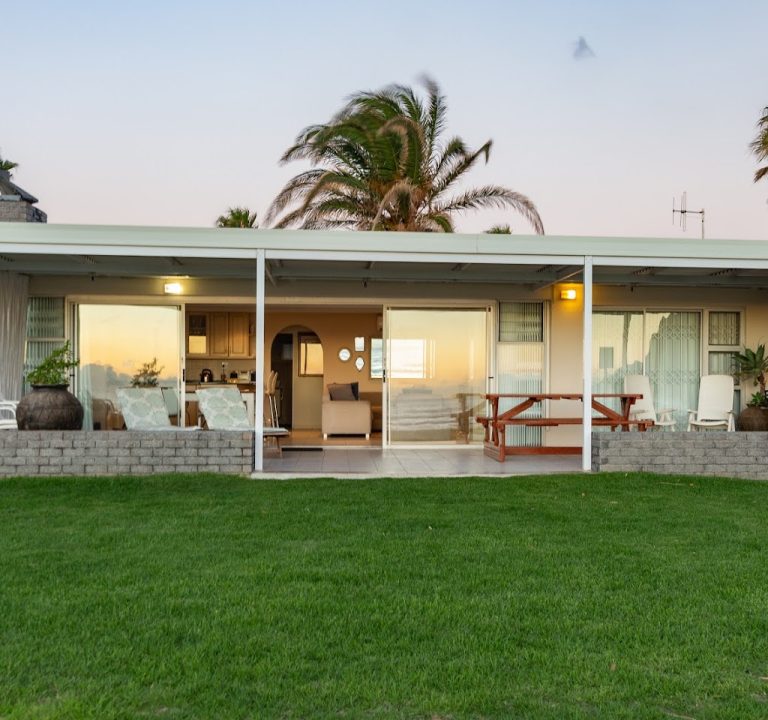
Accommodation and Experiences around Cape Town: A Traveller’s Guide
Cape Town, in the Western Cape of South Africa, is a city where dramatic scenery meets a warm, cosmopolitan vibe. Visitors can base themselves near the coastline, in the heart of the city, or in the tranquil suburbs that thread out into the Winelands and mountain scenery. For travellers staying at a guest house such as Along the Bay, the aim is to balance comfort with easy access to both iconic sites and hidden neighbourhood gems. The city’s varied neighbourhoods each offer a distinct flavour, from sunlit beaches to bustling markets and leafy residential streets.
Where you choose to stay greatly shapes your daily plans. Along the Bay and similar harbour-adjacent areas tend to be compact, walkable, and well connected by public transport and ride-hailing services. A stay here can be ideal for guests who want ocean glimpses, sunset strolls along the promenade, and quick access to the city centre. Other popular bases include the Atlantic Seaboard for striking coastlines, the City Bowl for dining and museums, and Constantia for vineyards and green spaces. When selecting accommodation, consider proximity to your needed transport links, such as main roads, rail stations, or taxi hubs, and whether you prefer views, indoor courtyards, or nurseries of colour in the surrounding streets.
Typical amenities to look for include reliable heating or cooling, private or en-suite bathrooms, and options for flexible check-in. In many guest houses across Cape Town, complimentary British-style breakfast or light snacks set you up for the day, with modern tea and coffee facilities in-room. Think about whether you want a kitchenette or self-catering space, and whether bicycle storage or parking is available. Cleanliness, secure access, and responsive hosts or concierges can transform a stay, particularly for first-time visitors navigating the city’s routes and parking rules.
Booking wisely often hinges on understanding the area, transport, and season. Cape Town experiences a Mediterranean climate, with dry summers and wet winters. The best time to visit is typically from late spring to autumn when the days are long and mild, though peak seasons can be busy and prices may rise. If you plan to explore outdoor attractions such as beaches or table-top views, mornings are usually cooler and less crowded. Consider off-peak periods for a more relaxed pace and potential savings on accommodation. When booking, read guest reviews for insights on accessibility, noise levels, and how well hosts respond to needs such as late arrivals or special dietary requirements. If a property offers shuttle services or assistance with airport transfers, confirm these arrangements in advance.
Transport in Cape Town is straightforward but varies by area. Many visitors use a mix of MyCiTi bus services, car hire, and rideshares to reach Table Mountain, harbourfront eateries, and the suburban estates. If you’re staying along the Bay, you’ll enjoy gentle walks along the shoreline and easy access to cafés and small markets. For day trips to the Cape Winelands or the Cape Peninsula, a rental car or organised tours can be convenient. Consider your plan for evenings as well: some areas have plentiful dining options within a short stroll, while others are better served by a short drive or ride.
When it comes to attractions, Cape Town offers a broad spectrum without requiring a fixed schedule. Scenic coastal routes, nature reserves, and viewpoints reward curious travellers with memorable vistas. Museums, galleries, and markets provide cultural depth and opportunities to interact with local artisans and chefs. Dining in Cape Town ranges from casual seaside spots to refined eateries offering fusion cuisine and fresh regional produce. Rather than fixating on specific establishments, look for places with good harvests of seafood, seasonal vegetables, and vibrant street food scenes—often best explored by wandering neighbourhoods and asking hosts for current favourites. For families and solo travellers alike, the city’s parks, coastal walks, and botanical gardens provide refreshing diversions without strain on travel plans.
Along the Bay and similar guest houses often serve as welcome anchors for travellers who value friendly service and a sense of place. A thoughtful stay can include quiet corners to read, a sheltered outdoor area for evening drinks, and helpful advice on markets, parks, and scenic routes. In addition to lodging, consider a well-timed blend of experiences: a sunrise hike, a guided walk through historic districts, a day in the Winelands, and a relaxed restaurant crawl along a waterfront promenade. The aim is to weave together restful mornings with engaging afternoons and evenings that suit your pace and budget.
Practical tips for a smooth visit:
- Pack layered clothing to adapt to Cape Town’s microclimates, especially if you plan outdoor activities.
- Bring a light rain layer for the winter months and a sun hat for summer, even on overcast days.
- Allocate time for travel between areas; distances in the city can be deceptive due to hills and traffic.
- Always check safety guidance and keep valuables secure, particularly when exploring busy markets and waterfront areas.
Cape Town rewards patient planning and a willingness to explore. With thoughtful accommodation in places like Along the Bay, travellers can enjoy a restful base while venturing into spectacular scenery, diverse dining, and enriching experiences that encapsulate the city’s unique character. For more inspiration on planning a stay, visit local tourism resources and explore suggested itineraries that balance nature, culture, and cuisine.