Johannesburg: A Traveller’s Guide to Accommodation and Getting Around
Johannesburg, or Jo’burg, is a sprawling, energetic city that combines modern towers with historic streets and green parks. When planning a stay, consider areas that align with your interests and pace, from business districts to vibrant arts precincts and quieter leafy neighbourhoods. The city’s breadth means you can base yourself in a central hub for easy access to attractions, or in a more relaxed area that still offers convenient transport links.
Popular neighbourhoods for visitors include the central business district and nearby cultural venues, the Sandton precinct with its malls and corporate life, the up-and-coming artists’ quarters, and the leafy suburbs that feel a world away from the city buzz. If you prefer a boutique or lodge-style experience, there are charming guesthouses and mid-range hotels tucked into tree-lined streets. For those wanting a touch of nature, certain eco-conscious properties offer sustainability features and easy access to parks or nature reserves just outside the city core.
When choosing accommodation, think about transport access first. Johannesburg operates a modern high-speed rail link known as the Gautrain linking the city centre, Sandton, and Pretoria, which can ease travel times if you plan day trips. Look for properties with easy access to major arterials or close to a Gautrain station, and consider whether you’ll be hiring a car or relying on Uber/ride-hailing services, which are common and generally reliable in the city. Parking availability is another practical point; some boutique hotels and guesthouses include parking, while others offer nearby street parking or validated facilities.
Typical amenities you might seek include secure, well-lit entrances; 24-hour reception or friendly late check‑in options; reliable Wi‑Fi; a continental or full breakfast; on-site dining or easy access to nearby cafés; and on-site fitness or wellness provisions in larger hotels. For travellers who value sustainability, there are properties with eco‑friendly practices, energy efficiency, and water-saving measures. If you’re planning to work remotely or travel with family, check room configurations, quiet rooms, and the availability of family-friendly spaces or lounges.
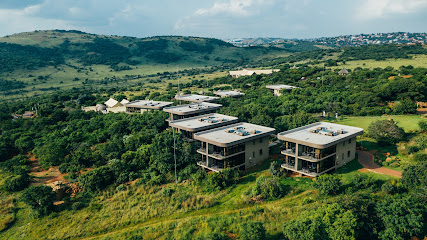
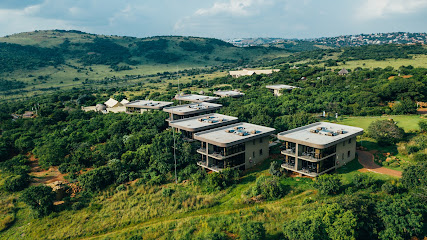
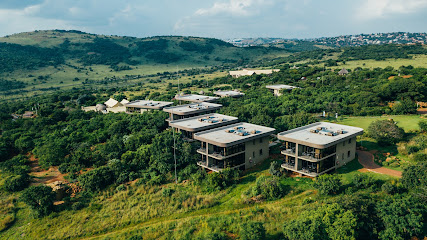
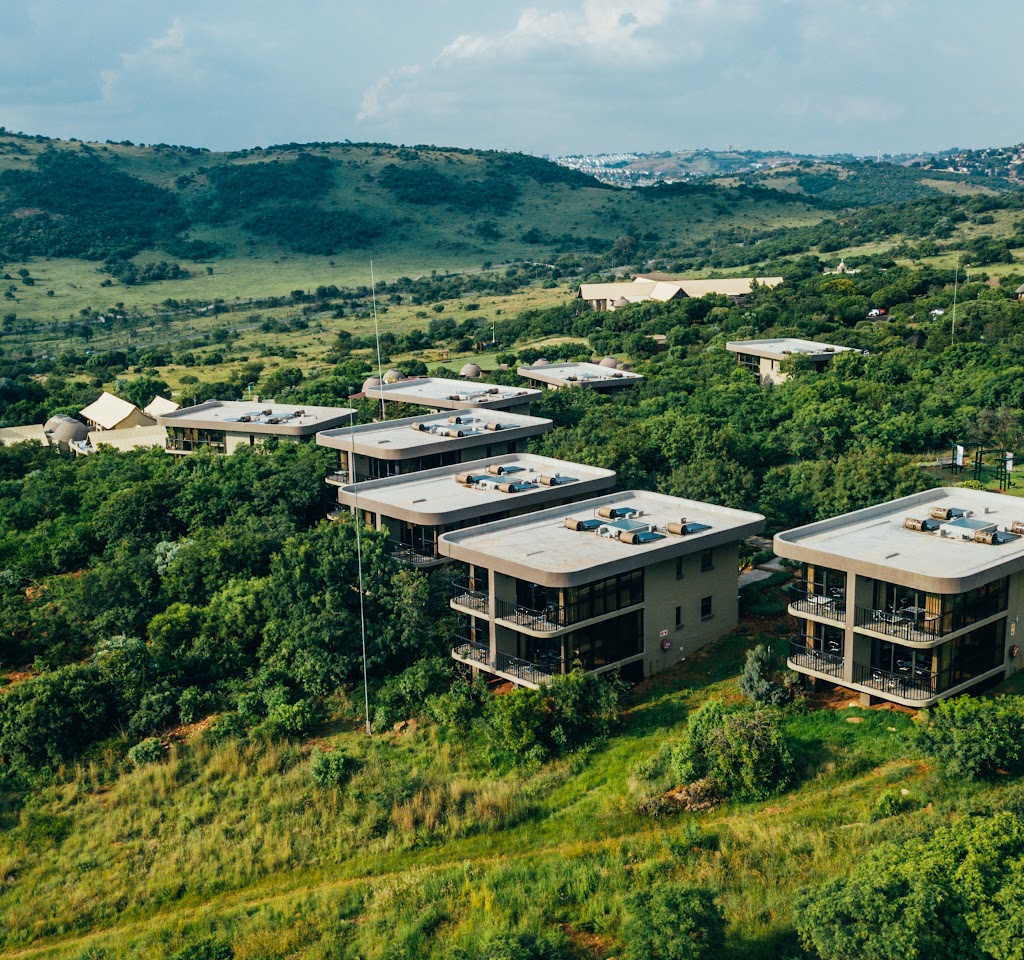
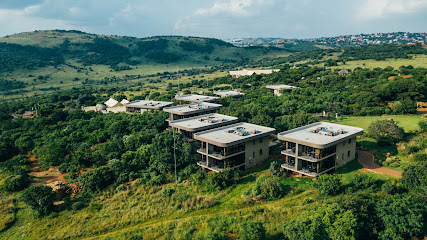
One well‑regarded option among visitors seeking a thoughtfully designed stay is Thaba Eco Hotel, a property that embraces an eco‑friendly ethos while offering comfortable rooms and easy access to Johannesburg’s northern surroundings. For more information, you can explore the hotel’s official site via the link above.
Getting around the city efficiently also means thinking about timing. Peak traffic in Johannesburg can be heavy during weekday mornings and late afternoons, so planning essential outings outside of these windows can shave considerable time off your day. If you’re staying in central areas, you’ll often be within short rides of business districts, museums, markets, restaurants, and parks. For a more relaxed start to the day, consider accommodations that are walkable to cafes and local markets, followed by short rides to major sightlines later in the day.
Best time to visit Johannesburg is shaped by weather and the city’s seasonal rhythm. The city enjoys warm summers with occasional thunderstorms and pleasant winters that are mild by many standards. If you’re planning outdoor experiences such as city parks, botanical gardens, or rooftop venues, late spring and autumn days generally offer comfortable temperatures. Major events and exhibitions can influence hotel availability and room rates, so it’s wise to book ahead if your visit coincides with a festival or large conference.
Attractions in and around Johannesburg span museum districts, vibrant markets, and scenic parks. You can expect to find compelling galleries, historic sites, and culturally-rich experiences that tell the story of South Africa’s past and present. In addition to iconic landmarks in the city core, day trips to nearby attractions—such as nature reserves, contemporary art spaces, and historical townships—offer deeper insight into the region’s diversity. When planning days out, consider grouping activities by geography to minimise travel time and maximise your time on the ground.
Dining across Johannesburg ranges from refined eateries to casual bistros offering comforting favourites with a modern twist. In central and northern districts, you’ll encounter a mix of contemporary cuisine, regional fare, and international options. When selecting restaurants, think about reservations during peak periods, especially on weekends, and whether your lodging provides breakfast or has on-site dining. Exploring local markets and street food stalls can be a fantastic way to sample a variety of flavours while keeping within a reasonable budget.
Booking tips to remember:
- Compare neighbourhoods for atmosphere and convenience: central access for sightseeing, or quieter areas for rest after long days.
- Check for security features such as controlled access, secure parking, well-lit entrances, and 24-hour reception.
- Review transport options: proximity to Gautrain stations, Uber availability, and easy access to major roads.
- Assess the room layouts and noise levels, especially if you are a light sleeper or travelling with companions.
- Consider eco-friendly or sustainable practices if these matter to your travel philosophy, including energy and water conservation measures.
In summary, Johannesburg offers a diverse range of accommodation to suit different budgets and tastes, with plenty of neighbourhoods that make a stay enjoyable and efficient. Whether you favour a stylish hotel near the business hub, a boutique guesthouse in a leafy suburb, or a lodge with eco-conscious credentials, plan with transport and timing in mind. With thoughtful preparation, your Johannesburg visit can balance comfortable rest, convenient access to sights, and a taste of the city’s dynamic culture. For more details on specific properties, including Thaba Eco Hotel, exploring official sites can provide up-to-date information on rooms, facilities, and proximity to your planned itineraries.