Staying in Johannesburg: What to know, where to stay, and how to enjoy the city
Johannesburg, often simply called Jo’burg or Joburg, is a sprawling metropolis with a mix of vibrant neighbourhoods, historical landmarks, and modern conveniences. When planning a stay, think less about one single precinct and more about how different areas can shape your experience. From leafy residential enclaves with quick access to nature reserves to buzzing city pockets near museums, markets and restaurants, there are options to suit every travel style and budget.
Accommodation in Johannesburg ranges from stylish boutique stays and guesthouses to modern apartment suites within residential developments. If you prefer a sense of security and an on-site community, you might consider a well-managed housing complex or a serviced apartment in a central neighbourhood. For those seeking a more immersive local experience, guesthouses tucked into lesser-known streets and boutique hotels in historic districts can offer a flavour of daily life alongside convenient access to sights.
When choosing where to stay, think about transport. Johannesburg’s public transit is improving, but many visitors find that a car or a reliable ride-hailing service offers the most flexibility, especially when reaching outlying attractions or after evening meals. If you plan to stay in a busy corridor such as the central business district or certain northern suburbs, ensure your accommodation provides secure parking or easy access to safe pickup points. For shorter stays, a compact studio or one-bedroom apartment near your intended attractions can reduce transit time and maximise your sightseeing hours.
Neighbourhoods to consider include:
- Randburg and Fourways: family-friendly, with shopping centres, restaurants, and access to nature trails in the northern suburbs.
- Johannesburg CBD and Maboneng: urban revival areas with art, markets, and a growing dining scene, though evenings are best spent with a trusted transport option.
- Newtown and Braamfontein: lively cultural hubs with museums, galleries, and proximity to universities and music venues.
- Sandton and Rosebank: upscale lodging, shopping, and business services, with easy access to parks and green spaces.
- Norwood and Linden: leafy residential vibes with smaller guesthouses and a village feel, convenient for day trips to nearby attractions.
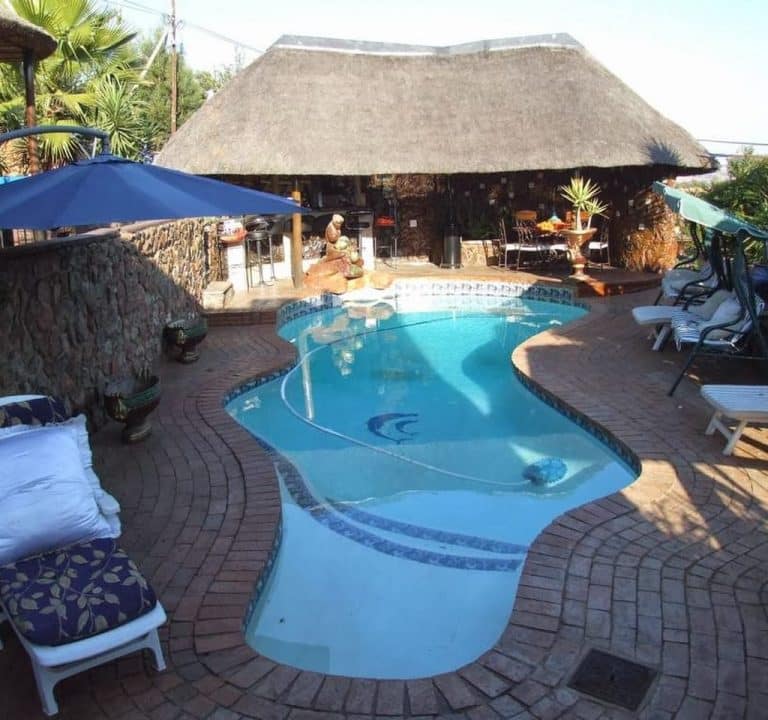
Typical amenities to look for include secure parking, 24-hour reception, and reliable housekeeping. In a city with varied noise levels, consider rooms with good insulation and blackout curtains. A well-equipped kitchenette or in-room tea and coffee facilities add convenience, especially if you plan longer stays or early starts. Free Wi‑Fi is essential for planning day trips, checking opening times, and staying in touch with travel companions. If a pool, gym, or garden space is advertised, verify whether access is included in your rate and whether restrictions apply to guests staying in certain buildings or blocks.
Understanding the layout of the accommodation helps, too. Some Johannesburg options sit within heritage homes, renovated factories, or purpose-built complexes. Others may be managed apartment blocks where different units share facilities. If you value a sense of community, look for properties that organise guest experiences, such as guided neighbourhood walks, market visits, or culinary tastings. For families, family-friendly rooms and secure, enclosed play areas can make a stay smoother, especially in busier districts.
Best time to visit Johannesburg is shaped by weather and events rather than crowds alone. The city enjoys a temperate climate, with warm summers and cooler winters. Spring and autumn typically offer pleasant conditions for outdoor excursions to nature reserves, wildlife parks, and city parks. Winter can be very comfortable for museum visits and dining out, though mornings and evenings may feel crisp. If you’re aiming to catch markets or open-air performances, plan around local event calendars and seasonal exhibitions. Consider staying longer to balance indoor museum days with outdoor exploring of nearby nature reserves and nature trails on weekends.
For a well-rounded itinerary, you could structure your days around a few core themes: culture and history, urban markets and eateries, and a touch of nature. Museums and galleries offer insights into South Africa’s complex past and creative present. In the evening, explore a range of dining options—from casual eateries serving braai and street-food-inspired dishes to more refined restaurants focusing on contemporary flavours. The city’s culinary scene is diverse, reflecting its multicultural communities; you’ll find African, Indian, Malay, and European influences present in many menus.
Practical tips for a smooth stay:
- Book in advance for high-demand periods and consider refundable rates where available, so you can adjust plans as needed.
- Check how transport to your planned outings will work after dark and whether the property offers shuttle or on-site security arrangements.
- Ask about nearby supermarkets, casual eateries, and taxi or rideshare options to avoid late-night hassle.
- Look for flexible check-in times if you have early flights or long overnight journeys.
- Consider staying near green spaces or parks for easy daytime breaks within the city.
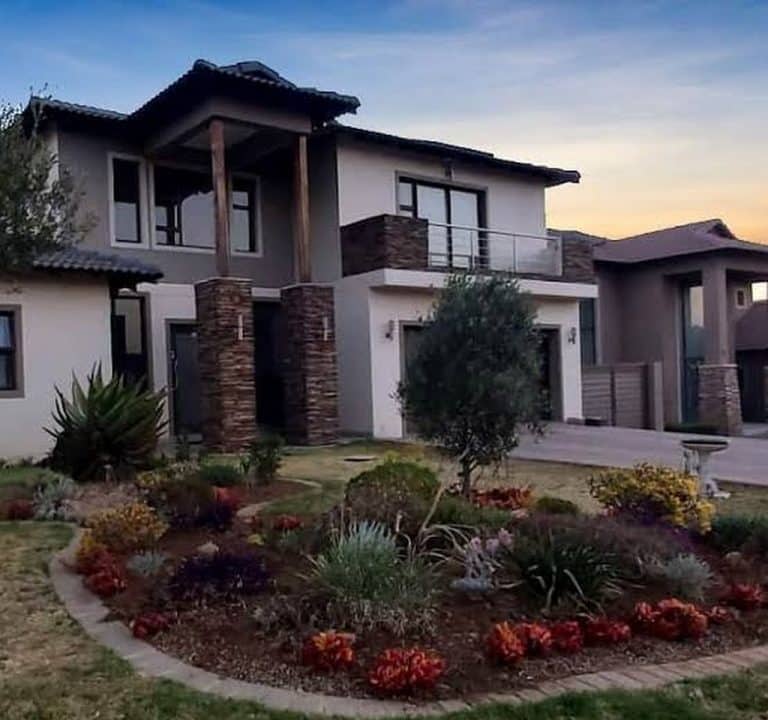
One example of a stay option, suitable for guests seeking a modern, family-friendly feel within easy reach of different parts of the city, is Aspen Nature Estate. While primarily a housing complex, it illustrates how Johannesburg’s broader accommodation landscape includes thoughtfully planned residential developments offering a comfortable base for explored days. For more information, visit the estate’s website at Aspen Nature Estate.
With careful planning, choosing the right neighbourhood, and focusing on comfortable, well-equipped accommodation, your Johannesburg stay can be both restorative and conveniently aligned with the city’s dynamic attractions and gastronomic offerings.