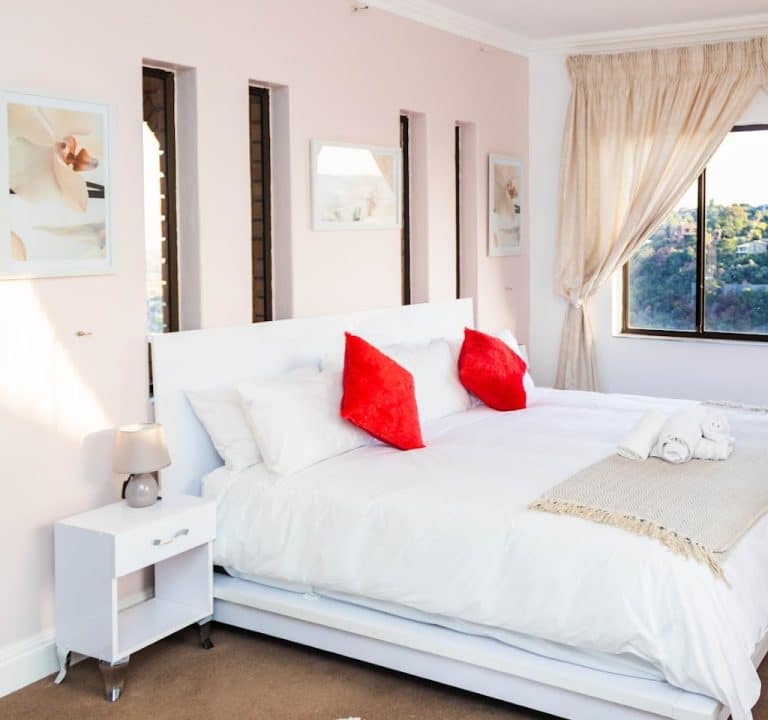
Accommodation and planning a stay in Johannesburg, Gauteng
Johannesburg, or Jo’burg as it is affectionately known, offers a vibrant mix of guesthouses, boutique hotels and lodges that suit a range of budgets and travel styles. When planning a trip to Gauteng’s largest city, consider how you want to move around, what neighbourhoods align with your interests, and what rhythms you want from your stay. A well-chosen base can cut travel time, reduce stress, and help you make the most of the city’s cultural and culinary offering.
Areas to consider for accommodation:
- Braamfontein and the Maboneng Precinct: ideal for travellers who value nightlife, arts, street art, and a lively dining scene. These areas tend to have compact street layouts, cafés, and easy access to public transport.
- Soweto and the southern suburbs: for a deeper sense of history, community heritage, and guided tours that illuminate South Africa’s story while staying in guesthouses and smaller boutique hotels.
- Rosebank and Sandton: trade-friendly zones with shopping, business facilities, and well-connected transport links to the city centre and beyond.
- Riverside and Greenside: quieter residential pockets with a more relaxed pace, yet still close to the city’s main attractions and dining.
- Midrand and surrounding areas: convenient for business trips or access to major routes and the Gautrain network.
What to look for when booking:
- Proximity to transport hubs: Gautrain stations, MyCiTi services, or reliable Uber/bolt connections can save time and reduce the need for long drives.
- Security and access: well-lit entrances, 24-hour reception, secure parking or on-street safety features, and clear instructions for arrival after hours.
- Amenities that suit your pace: free Wi‑Fi, parking, a practical breakfast option, and laundry services can make a big difference on longer stays.
- Character and comfort: many Jo’burg guesthouses offer personalised service, with hosts sharing local tips and arranging guided experiences.
- Reviews and recent updates: look for references to cleanliness, soundproofing, and responsiveness from hosts or management.
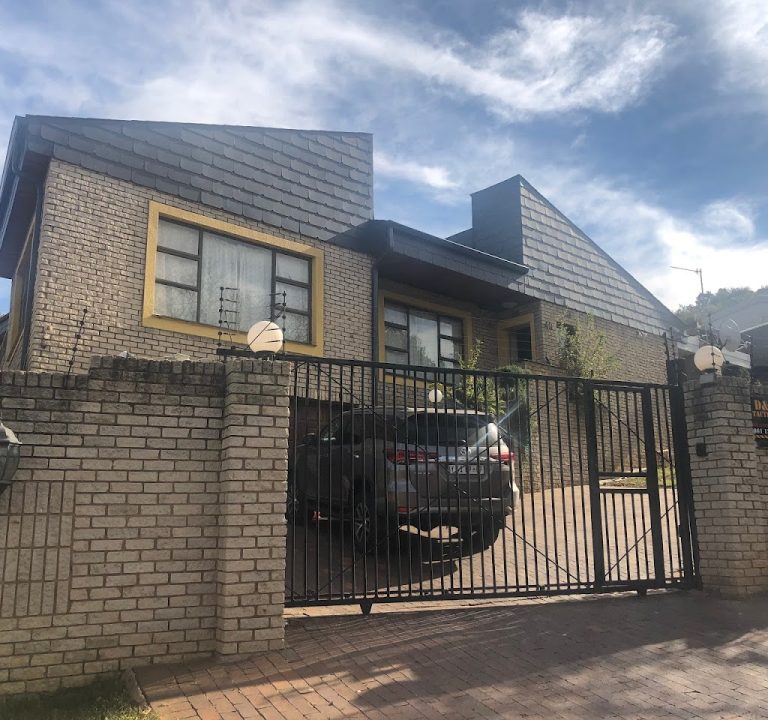
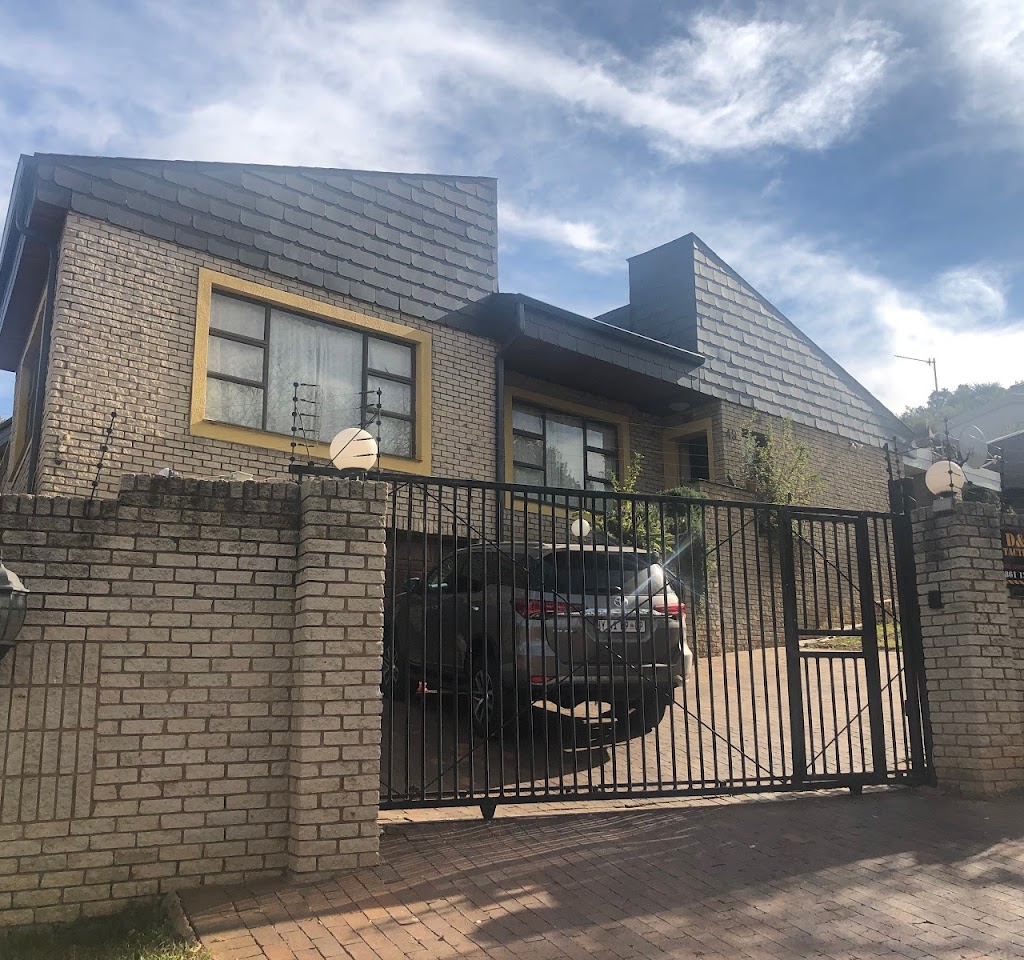
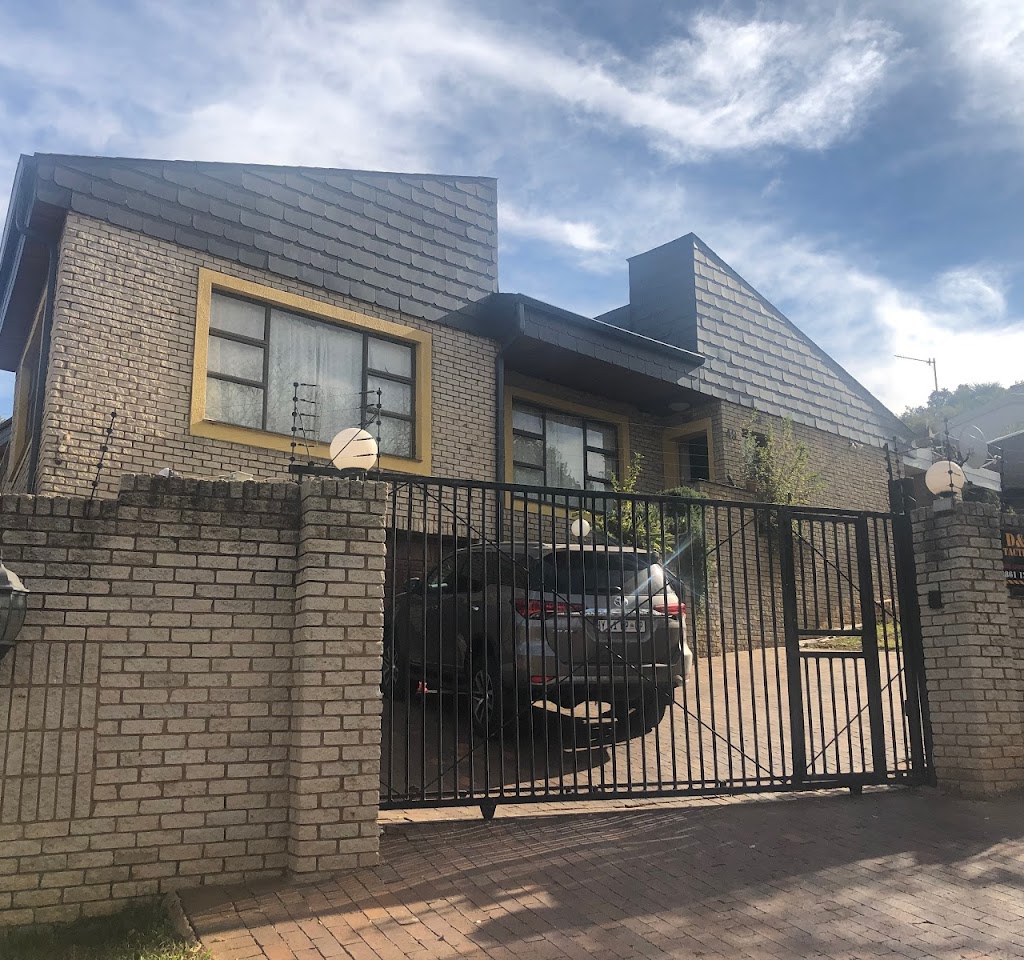
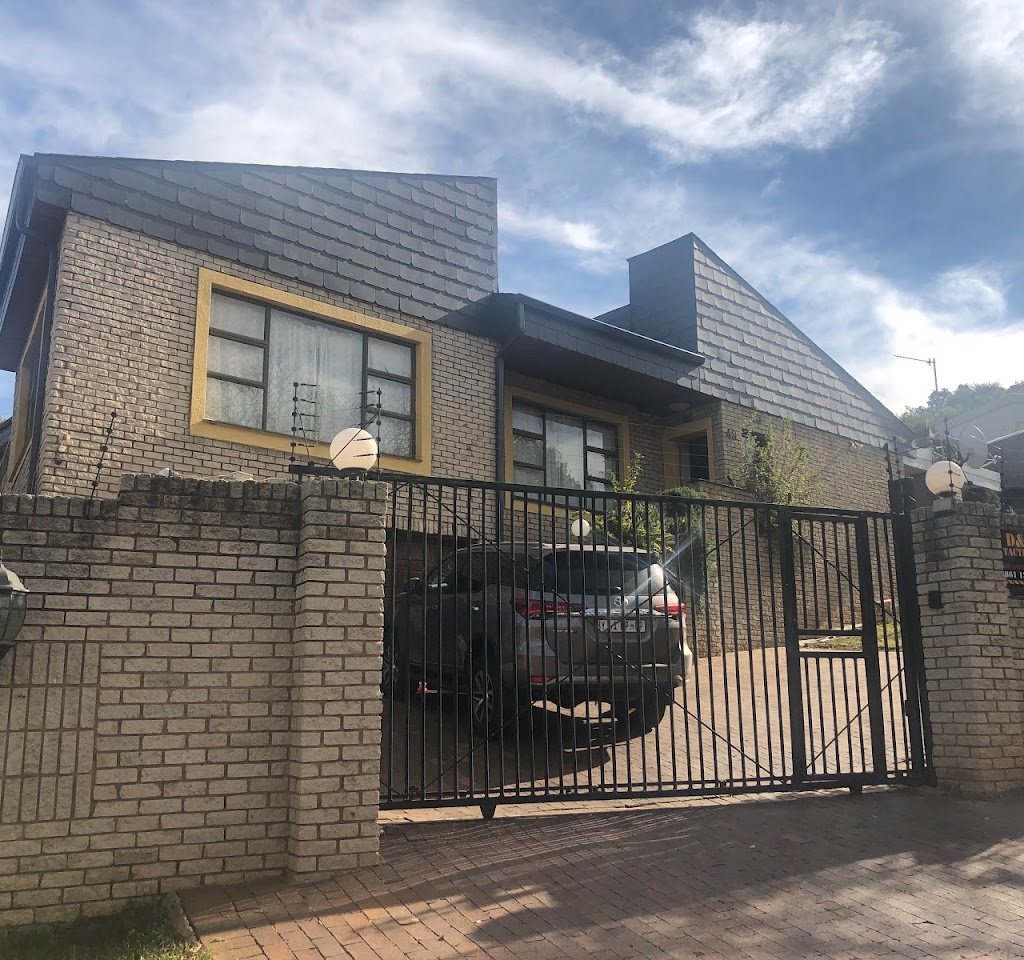
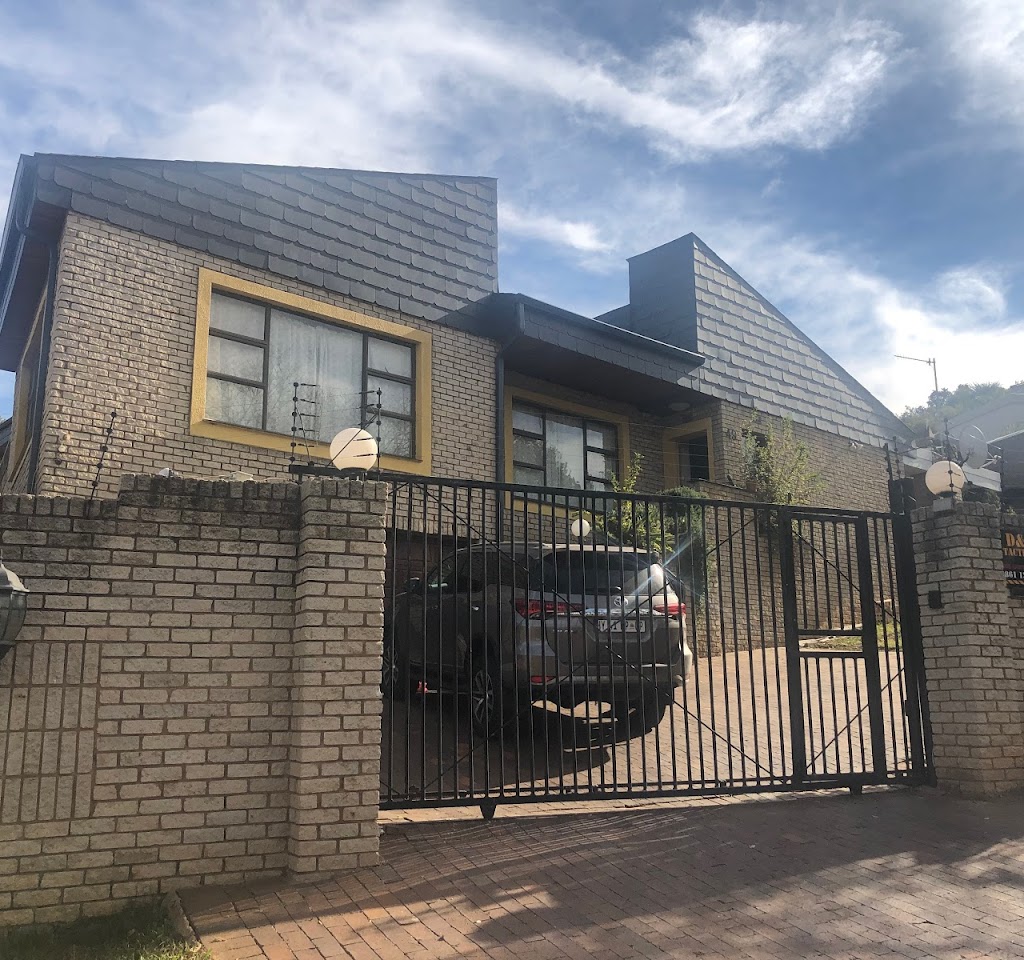
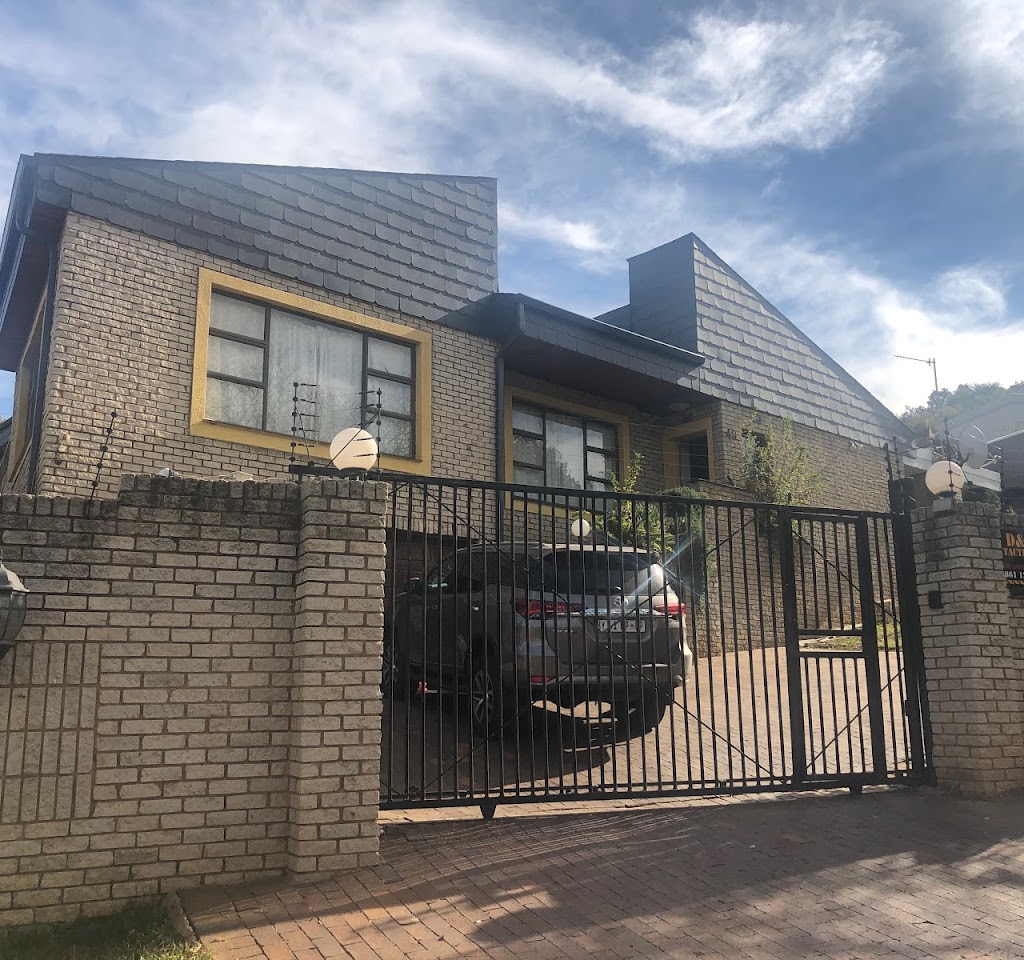
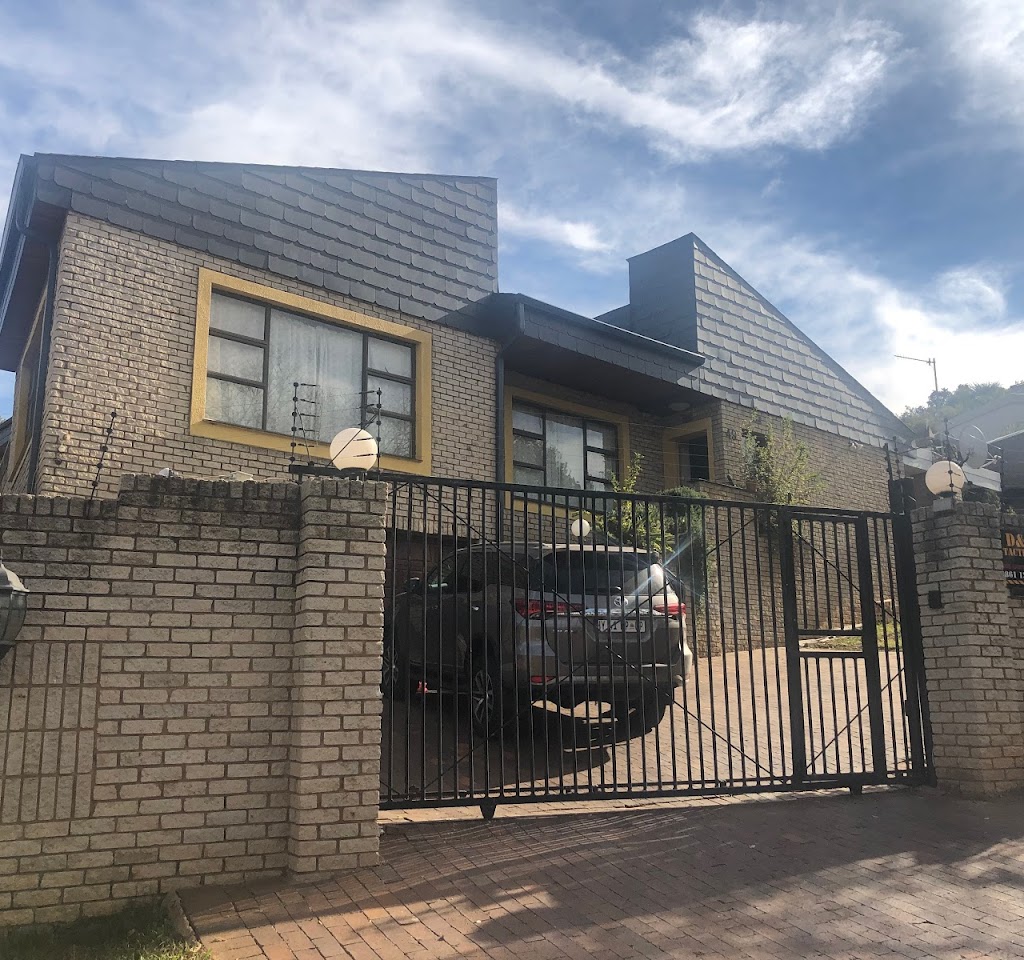
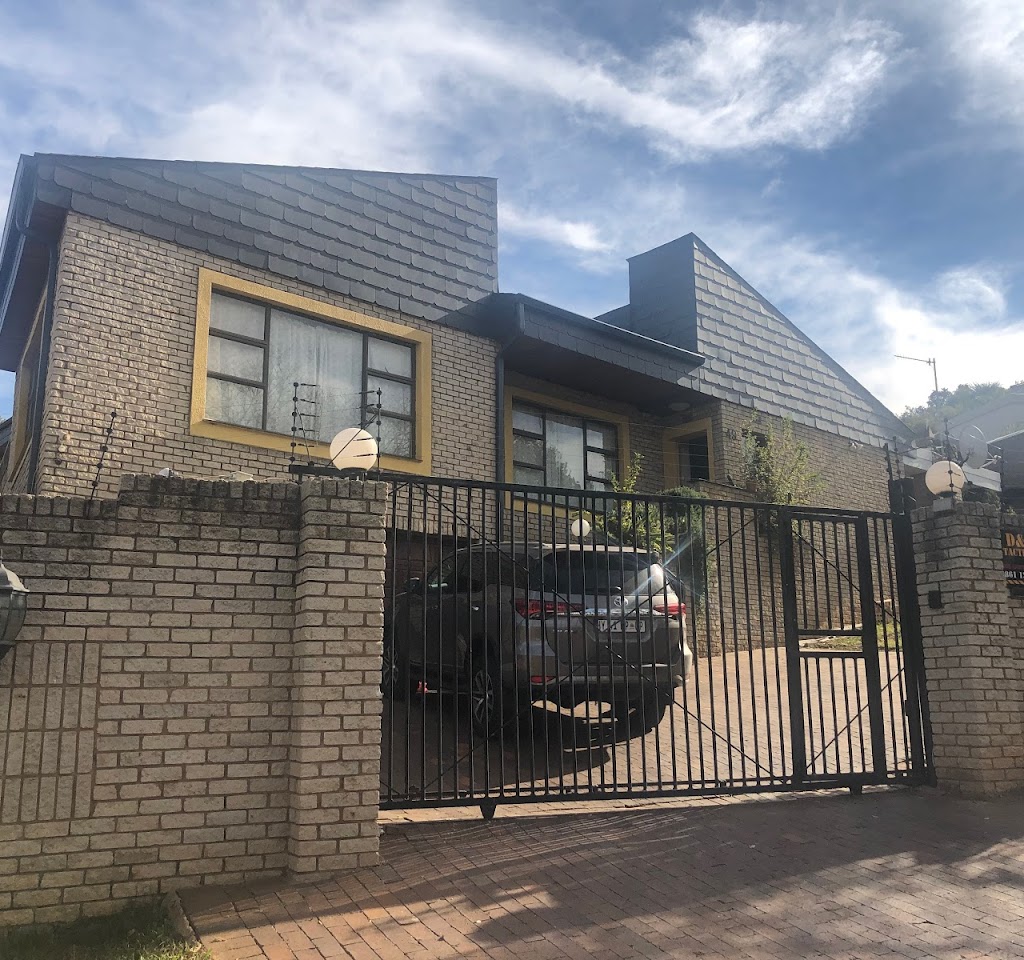
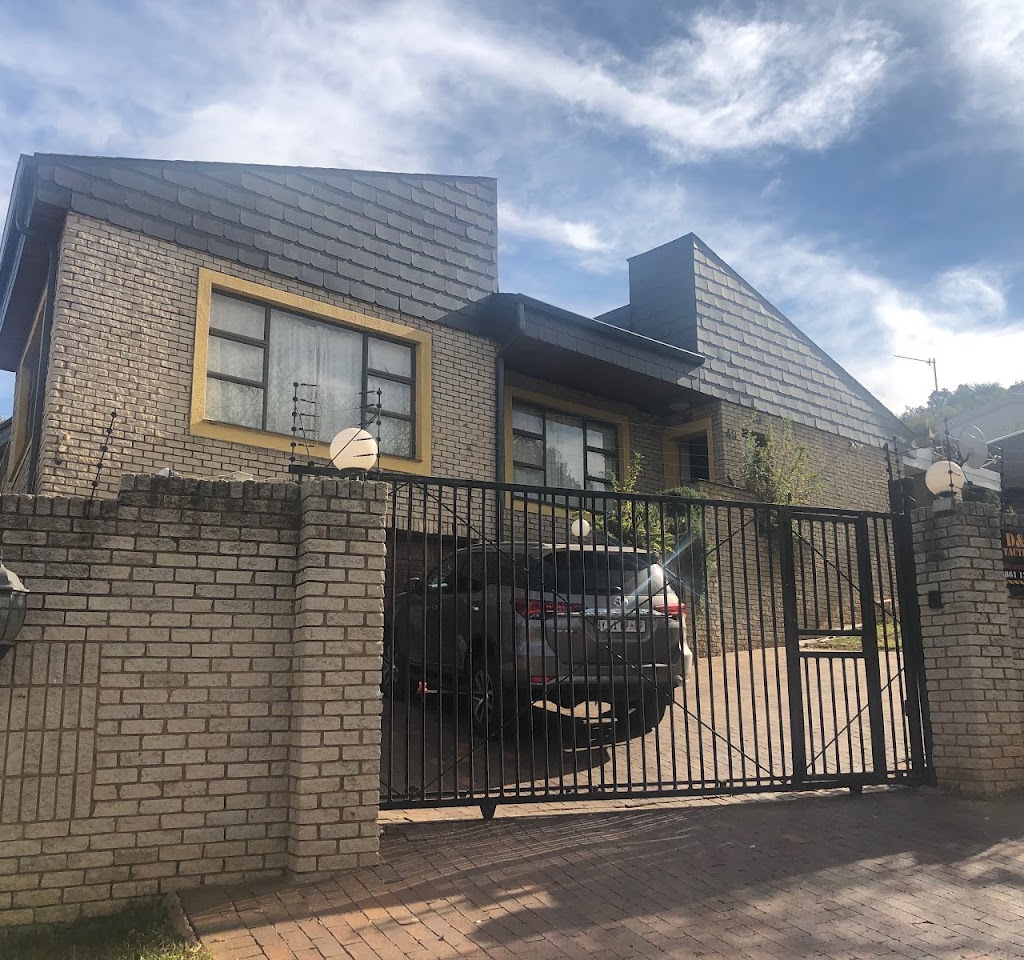
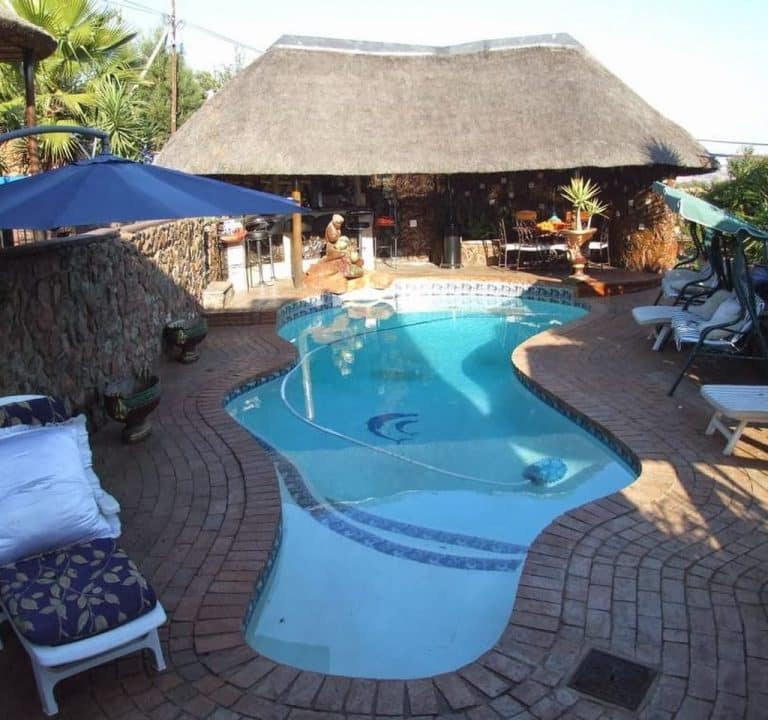
A notable option to consider is Naomi’s Place, a guest house offering a homely setting for travellers seeking personal, attentive service. The site provides information on facilities, location and nearby points of interest, helping guests plan their days in the city. Visit Naomi’s Place for an example of how such stays can balance comfort with local flavour.
Typical amenities you may encounter:
- Private or en-suite bathrooms, comfortable bedding and climate control to cope with Jo’burg’s warm summers and cooler evenings.
- Shared lounges, tea and coffee provisions, and sometimes a self-catering kitchenette or a continental breakfast option.
- Wi‑Fi throughout, with some properties offering workspaces suitable for short business trips.
- Security features such as 24-hour staff presence, secure parking, and controlled access.
- Guided tours or recommendations for day trips, museums, markets and food experiences nearby.
Transport and getting around:
Johannesburg is spread out, so planning your route is wise. The Gautrain network links private airports and central hubs, making day trips to Pretoria or comfortable city access faster and simpler. Within the city, ride-hailing services are commonly used, and many guesthouses arrange airport transfers or guided local tours. If you prefer the outdoors, cycling along designated routes or exploring on foot in compact districts can be rewarding, but always be mindful of safety and traffic conditions as you plan longer walks.
Best time to visit and practical planning tips:
Johannesburg has a temperate climate with distinct wet and dry seasons. The dry winter months can be particularly pleasant for sightseeing and outdoor markets, while the summer rainy season brings lush greenery and occasional downpours. If you’re sensitive to altitude and heat, mid-year late mornings and early afternoons are a sensible window for outdoor activities.
Practical planning tips include packing layers for changes in temperature, a comfortable pair of walking shoes for exploring urban streets and markets, and a note of safety basics such as securing belongings and sticking to well-lit areas after dark. It’s useful to have a rough plan for your days, but also keep space for spontaneous discoveries—neighbourhood cafés, street markets and informal eateries can provide some of the city’s best experiences.
What to do and see in general terms:
- Explore the city’s cultural institutions, which span contemporary art, history, and design. Many galleries host regular exhibitions that reflect South Africa’s diverse stories.
- Sample a range of dining options, from modern casual dining to traditional-inspired menus. Look for places that source ingredients locally and offer a warm, welcoming atmosphere.
- Visit markets and neighbourhood hubs to see street art, crafts, and live performances that showcase the city’s creative energy.
- Consider day trips to nearby sites that offer landscape views, heritage insights, or community-led experiences.
In summary, choosing the right base in Johannesburg means weighing access to transport, the vibe of the neighbourhood, and the amenities that matter most to you. Whether you choose a cosy guesthouse like Naomi’s Place or a more contemporary hotel, a well-planned stay can unlock the best of Gauteng’s energy, culture and hospitality. Plan thoughtfully, stay curious, and you’ll return home with a rich mosaic of experiences from your time in this dynamic city.