Staying in Cape Town: where to stay, what to do, and practical tips for your visit
Cape Town offers a diverse tapestry of neighbourhoods, landscapes, and experiences that suit a wide range of travellers. Whether you are seeking a stylish urban stay, a relaxed seaside vibe, or a gateway to the winelands and rugged coast, your choice of accommodation can frame your entire visit. Lodges and BnBs such as Sunset Guest Lodge illustrate how a thoughtfully chosen base can combine comfort with easy access to the city’s highlights, without sacrificing a sense of place.
When planning where to stay, consider the rhythm of your days. Constantly busy mornings are balanced by evenings spent enjoying the harbour breeze or a sunset over the Atlantic. If you value proximity to Table Mountain, the central business district, or the V&A Waterfront, you’ll want a location that minimises daily commutes. If you’d rather a quieter escape with ocean views, coastal suburbs like Camps Bay, Clifton, or Muizenberg offer scenic walks and a more relaxed pace while still being well connected to the city centre by car or public transport.
Accommodation in Cape Town ranges from intimate guesthouses and boutique lodges to comfortable hotels and self-catering apartments. When booking, look for clear details about room types, privacy level, and the length of stay policies. Practical amenities to consider include reliable wifi, adequate security, parking (or clear guidance on street parking), self-catering facilities if you prefer to cook, and guest lounge spaces that invite conversation with fellow travellers. For those seeking a more personalised stay, a lodge that provides thoughtful touches—such as local recommendations, curated itineraries, and guest kitchens—can enhance your experience without the formality of a larger hotel chain.
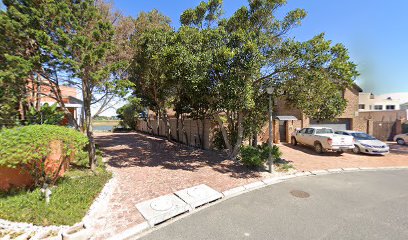
Sunset Guest Lodge exemplifies how a well-situated lodging can balance comfort and convenience. An appealing base for exploring Cape Town’s coastline and city sights, a lodge-style approach often means warm hospitality, a compact footprint, and easy access to both popular attractions and lesser-known corners of the city. When researching similar options, pay attention to public transport accessibility, shuttle services, and the availability of laundry facilities, which can make a longer visit far more comfortable.
Typical amenities you might expect include en-suite bathrooms with quality toiletries, coffee and tea facilities, television or streaming options, air conditioning or efficient ventilation for the warm months, and a generous breakfast offering. If a property advertises a communal kitchen or a mix of self-catering and hosted meals, consider how that aligns with your daily plans. A guesthouse or lodge with outdoor spaces—balconies, courtyards, or gardens—can be especially appealing in Cape Town’s temperate climate, providing a place to unwind after a day of sightseeing.
Transport is a key planning factor in Cape Town. If you do not plan to hire a car, look for accommodation near MyCiTi bus stations or the train network, and check whether the property offers airport transfers or has convenient access to rideshare options. A car can give you flexibility to visit the Cape Peninsula, stretch to the Constantia wine route, or explore the scenic Atlantic Seaboard at your own pace, but parking arrangements and safe neighbourhoods should be confirmed in advance. For shorter day trips, staying near the city centre or the V&A Waterfront often balances access to guided tours and independent exploration without long transfers.
The best time to visit Cape Town depends on your priorities. The summer months (December to February) bring longer days, warmer seas, and vibrant outdoor scenes, but popular spots can fill up quickly. Shoulder seasons, such as spring (September to November) and autumn (March to May), offer pleasant weather, fewer crowds, and good value for accommodation. Winter (June to August) is cooler and wetter, yet has its own charms, including dramatic coastal scenery and a quieter ambience. If you are keen on outdoor activities—hiking Table Mountain, visiting beaches, or taking a scenic drive along Chapman’s Peak—plan with weather patterns in mind and leave a little flexibility in your itinerary for unexpected sunshine or rain showers.
Where to base your stay also shapes restaurant plans. Cape Town’s dining scene spans casual spots to refined venues, many of which celebrate local ingredients from the sea, mountain farms, and the surrounding winelands. Rather than focusing on individual restaurants, consider areas that align with your mood: the central area for cosmopolitan dining and easy access to attractions, the Waterfront for harbour views and seafood, the Atlantic Seaboard for sunset meals by the sea, or Constantia and Stellenbosch for vineyard picnics and wine-tuel tastings. For a balanced culinary experience, mix light, grab-and-go breakfasts with a couple of dinner outings that showcase South Africa’s diverse flavours, from fresh seafood to hearty comfort foods and modern takes on traditional favourites.
Practical tips to help you make the most of your stay:
- Book accommodation with clear cancellation policies and flexible stay options in case your plans shift.
- Ask about electricity resilience and hot water supply, especially if you are visiting during the summer storm season or in the off-peak periods.
- Check safety information and understand pedestrian routes for evening exploration, particularly when staying in central or coastal areas after dark.
- Plan at least one day for scenic drives or guided tours that reveal Cape Town’s natural beauty—from the Cape Peninsula to the Cape Winelands.
- Look for properties that provide local insights, maps, and recommendations for day trips, markets, and hidden gems beyond the usual sights.
To start planning, consider visiting official tourism resources for Cape Town and the Western Cape, which offer practical travel tips, seasonal events, and ideas for experiences that suit all interests. By choosing accommodation that aligns with your pace and priorities—whether a cosy lodge with a local flavour, a stylish guesthouse near the water, or a comfortable hotel with easy city access—you can craft a memorable stay that blends convenience with a sense of discovery. For further inspiration and planning, you may visit general travel guides and tourism websites that cover Cape Town’s broad range of experiences and routes.