Discover Cape Town: Accommodation and Experiences for a Memorable Stay
South Africa’s coastal gem, Cape Town, offers a rich mix of landscapes, culture and cuisine that suits every kind of traveller. Whether you seek a stylish city base, a beachside retreat or a leafy guesthouse in the surrounding hills, planning your stay around the right area can save time and maximise your enjoyment. The city is compact enough to explore by foot, bike or ride‑hail apps, yet connected to winding coastal roads and mountain overlooks that turn a stay into an adventure.
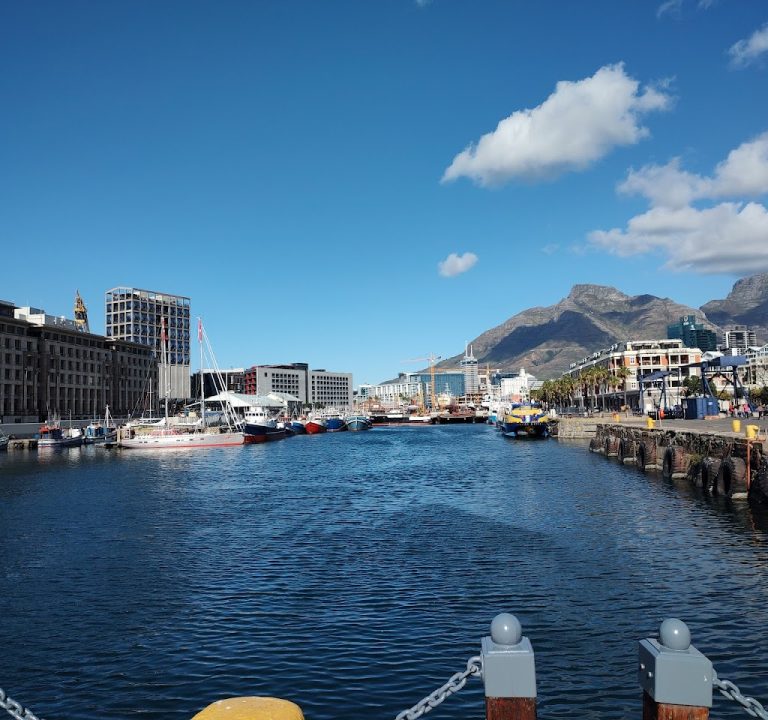
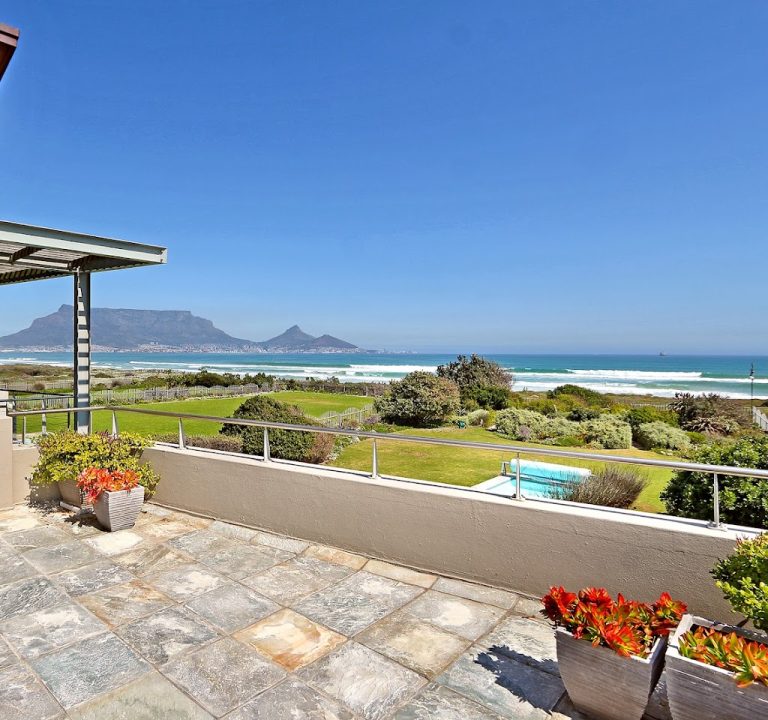
One standout option for many visitors is a boutique hotel or conference hotel in central districts such as the City Bowl or the V&A Waterfront. These areas provide easy access to business facilities, dining precincts, and a lively mix of bars and music venues. For a more scenic short break, beachside neighbourhoods like Camps Bay or Clifton offer sun-soaked sands, sunset walks and restaurants with dramatic views. Green Point, with its proximity to the stadium precinct and urban parks, straddles city convenience and coastal calm. For those who enjoy a quieter, leafy atmosphere and a touch of history, Constantia and Diep River provide wine‑land ambience, botanical shade and easy drives to both mountain routes and foreshore sights. A Harbour or Waterfront stay can provide a lively marina backdrop with plenty of dining options and occasional live music, while still offering shorter routes to nature trails and panoramic lookouts.
When booking, consider the following practical points to ensure a comfortable and smooth stay:
- Location relative to your planned activities: Table Mountain access, beaches, and dining hubs each have different peak times and access routes.
- Accessibility and transport: Check if the property offers on‑site parking, shuttle services, or easy access to public transport such as the MyCiTi bus network or ride‑hailing apps.
- Sound and surroundings: Some parts of the city are busier at night; if you prefer quiet, look for rooms away from nightlife hotspots or streets with late deliveries.
- Room features and amenities: Reliable wifi, air conditioning or heating, secure parking, and a good wake‑up call or breakfast service can significantly improve convenience for both work trips and leisure stays.
- Breakfast and dining options: Many properties offer continental or full‑service breakfast, with other meals available on site or nearby; plan for dietary needs in advance.
Atypical yet popular accommodation types in Cape Town include stylish boutique hotels that blend design with local artistry, guesthouses tucked within residential neighbourhoods, and self‑catering apartments that let you live like a local. Some properties are best suited to couples seeking romance or travellers after a quiet base for day trips, while others cater to families with larger suites, communal spaces and kid‑friendly options. If you’re honouring a conference or business stay, many hotels in the central districts provide meeting facilities, business lounges, and flexible catering, which can simplify itineraries.
Typical amenities to look for include: free‑flowing breakfast, secure parking, 24‑hour reception or on‑site staff, complimentary toiletries, reliable wifi throughout the property, and a pleasant outdoor area such as a pool, terrace or garden. In coastal stays, guests often value sea views, balconies or verandas, and easy beach access. Booking platforms may offer flexible cancellation policies—worth noting for travel plans that shift with weather, funding cycles or events around the city.
Transport in Cape Town ranges from self‑drive excursions along the Atlantic Seaboard to guided tours that cover the famous Table Mountain, Cape Point and winelands overlooks. If you are renting a car, allow extra time for mountain traffic and coastal road congestion during peak season. For those preferring public options, the MyCiTi bus network links major hubs and popular neighbourhoods, with easy connections to the Cableway base for Table Mountain adventures. Taxis and ride‑hailing services are widely available, though pre‑booking ahead of late arrivals is prudent in busy periods. If you plan day trips to Robben Island or Cape Point, many operators provide hotel pick‑ups or central meeting points, which can simplify your schedule considerably.
The best time to visit Cape Town depends on your priorities. Summers (December to February) bring long days, light winds and lively coastal life, yet can be busy and pricey. Autumn (March to May) and spring (September to November) offer milder weather, blooming gardens at Kirstenbosch, and comfortable hiking conditions. Winter (June to August) is cooler and wetter, with fewer crowds and excellent conditions for dramatic coastal scenery and intimate city experiences. Plan outdoor activities around the weather and seas, and browse local markets and cultural events to discover the city’s vibrant rhythm beyond the obvious sights.
Reader tips and practical planning ideas: start with a central base near your must‑see priorities, then reserve day trips to Table Mountain, the Cape Peninsula drive, or the wine routes for a later time. Dining in Cape Town ranges from casual beachfront eateries to refined venues that showcase South Africa’s diverse produce. For meals with local character, look for places that emphasise seasonal ingredients, coastal seafood, and regional wines, but keep a flexible mindset about menus and pricing. When weather permits, a sunset stroll along the Atlantic Seaboard or a harbour promenade can be as memorable as a formal dinner.
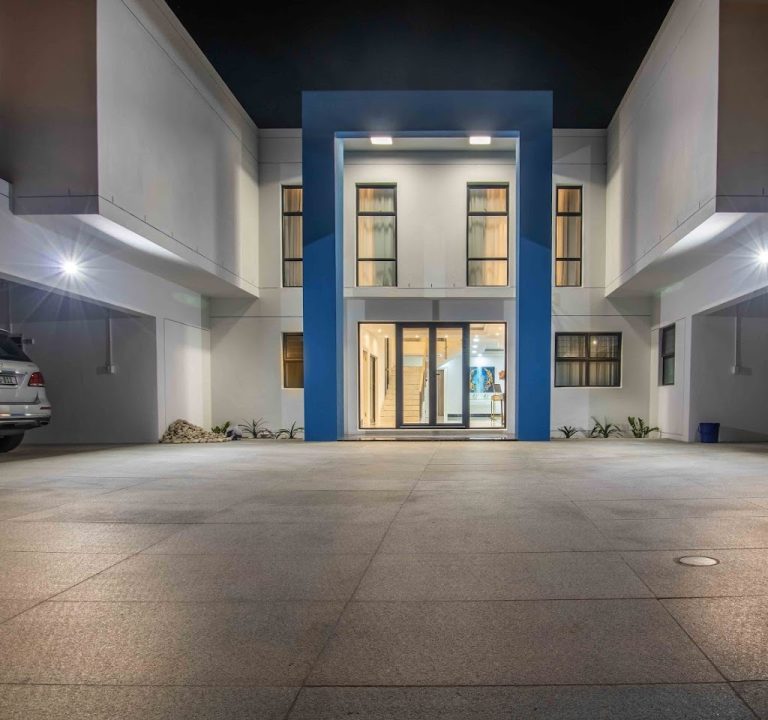
Accommodations such as Oceanway Boutique Hotel/Conference offer a contemporary example of city‑centre hospitality, combining practical business facilities with comfortable leisure spaces. While planning your Cape Town stay, consider a mix of experiences—city culture, mountaintop vistas, and coastal relaxation—and allow time to wander markets, galleries and quieter neighbourhoods that reveal the city’s warmth and character. With thoughtful booking and an open itinerary, Cape Town tends to reward curious travellers with a sense of place, unforgettable views and a genuine sense of discovery.