Accommodation and experiences in Cape Town: where to stay and what to do
Cape Town, set between dramatic mountains and the Atlantic Ocean, offers a diverse range of places to stay and a wealth of experiences for visitors. When planning a trip, it helps to think about which neighbourhood will best suit your rhythm, budget and interests, and then pair that with practical tips about transport, amenities and seasonal variations. Whether you prefer boutique guesthouses, modern hotels, or cosy lodges with sea views, the city provides options that cater to different tastes without compromising on location or access to iconic sights.
Neighbourhoods to consider include the Atlantic Seaboard for beachfront scenery and relaxed evenings, the Victoria & Alfred Waterfront area for walkable dining and easy access to cruises and tours, the City Bowl for walkability to museums and markets, and the trendy Green Point or Hout Bay for vantage points over the ocean. If you’re after a quieter escape with quick access to hiking and coastal trails, neighbourhoods like Kalk Bay or Constantia offer a more residential atmosphere while remaining within easy reach of central Cape Town. When researching places to stay, read recent guest reviews to gauge consistency in service, cleanliness, and what the host or property can offer beyond a basic room.
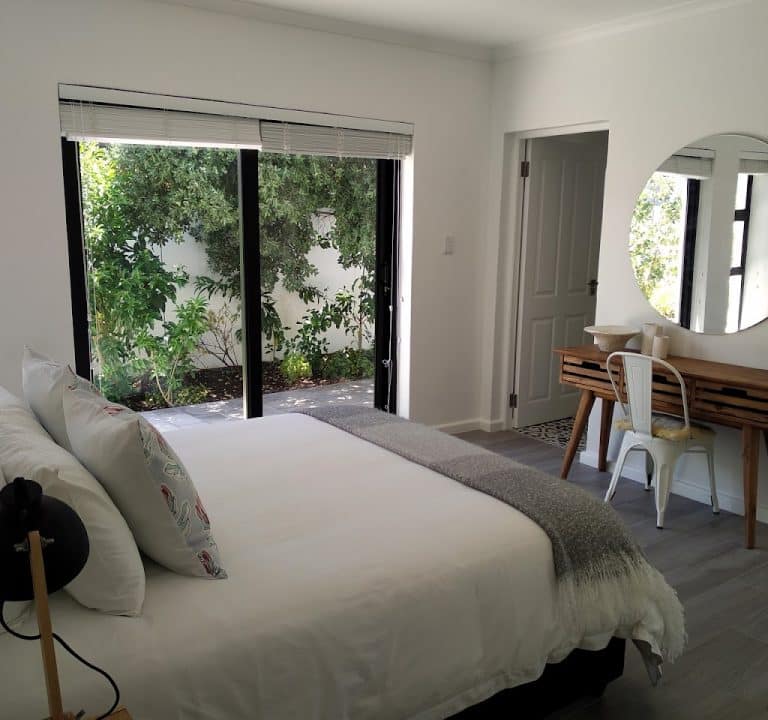
Typical accommodation ranges from intimate guest houses and boutique BnBs to stylish hotel suites and self-contained lodges. In guest houses such as those tucked into leafy streets or harbour-side corners, expect a personalised touch, with hosts who can share local tips, arrange private tours or assist with restaurant reservations. In larger hotels, you may find a broader range of on-site facilities, from pools and spa services to conference spaces and organised excursions. For independence and space, self-catering apartments or cottages can be ideal, especially for longer stays or families.
When booking, look for these features to ensure a comfortable stay. A well-equipped kitchen or kitchenette, secure parking or easy access to parking, reliable wi‑fi, a comfortable bed with quality linens, ample storage, and clear housekeeping policies. Proximity to public transport or major routes can markedly reduce daily trip times, while a short stroll to cafés, supermarkets, or reputable restaurants adds convenience. If sea views or proximity to beaches are important, read the description carefully for distances and accessibility, particularly if you are travelling with children or mobility considerations.
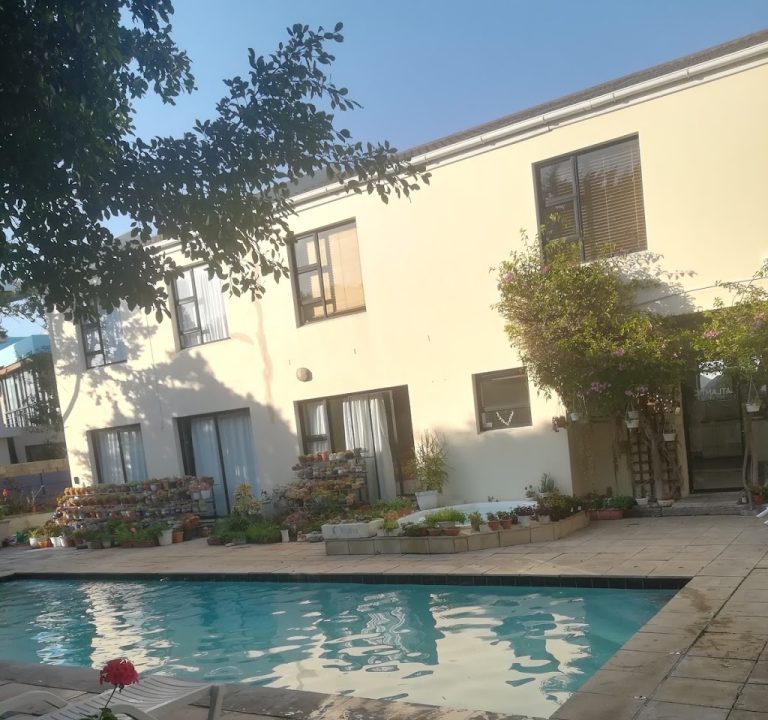
Atlantic Breeze Guesthouse is one example of a guest house option that blends village charm with convenient access to the surrounding areas. Its location and style can appeal to travellers seeking a warm, homely atmosphere alongside proximity to beaches or scenic drives. For potential guests, visiting the property’s official website provides practical details about the stay, while keeping in mind that information such as contact details or direct reservations are best confirmed through official channels.
Transport is a practical consideration in Cape Town. The MyCiTi bus network is a convenient way to traverse major routes, including links between the city centre, the Waterfront, and surrounding suburbs. Renting a car offers maximum flexibility for day trips to the Cape Peninsula, Cape Point, or wine routes, but you should budget for parking and two-way streets in busy areas. Taxis or ride-hailing services are reliable for evening plans or short hops, while many accommodations can help arrange transfers or guided tours. If you plan to explore Table Mountain or the cape’s coastal paths, starting early in the day often yields lighter crowds and better light for photography.
Seasonality influences crowds and prices. The most popular times are during spring and autumn when the weather is mild and skies are clear, followed by the warmer summer months. Winter in Cape Town is cooler and wetter, yet it can offer a different appeal with fewer visitors to popular attractions and the opportunity to experience indoor dining and markets. For sunrise and sunset, Cape Town’s coastal routes are especially scenic, so booking a morning or evening excursion that includes viewpoints or guided walking can be a memorable addition to your itinerary.
What to do and where to eat, in general terms, ranges from natural beauty and outdoor activities to culinary experiences and cultural discoveries. Iconic natural sites like mountains, beaches, and rugged coastlines are complemented by marine conservation viewpoints, harbour walks, and markets offering crafts and regional produce. Within the city, museums and galleries provide insight into local history and creativity, while a diverse restaurant scene offers coastal seafood, fresh produce-focused modern dining, and casual odds-and-ends eateries. Many visitors enjoy a mix of day trips—for example, habitually popular routes along the coast to scenic viewpoints, or a short trip to winelands on a separate day—paired with relaxed evenings in the city’s dining districts.
Practical tips to help you plan a smooth stay include booking well in advance for peak periods, especially if you have specific lodging preferences or sea views. Confirm cancellation policies, check accessibility details, and verify whether breakfast or on-site dining is offered and at what times. Pack layers suitable for a range of weather, as coastal winds can be brisk even on sunny days. Bring comfortable footwear for walking or hiking, and remember that safety considerations vary by area; staying in well-reviewed accommodation with good lighting, secure entry, and reliable staff support can help you enjoy your trip with peace of mind. Finally, keep a flexible schedule to accommodate weather-dependent activities such as hillside viewpoints, outdoor markets, or harbour cruises, which tend to be highlights for many visitors to Cape Town.