Sunset Sparrow Villa and a Guide to Accommodation and Experiences in Cape Town
Cape Town, in the Western Cape of South Africa, offers a mix of dramatic scenery, cosmopolitan flair and a hospitality scene that ranges from cosy self-catering cottages to stylish boutique hotels. For travellers seeking a self‑catering base, Sunset Sparrow Villa provides a convenient starting point for exploring the city and its surrounds, while other neighbourhoods offer a spectrum of options to suit different budgets and styles. When planning a stay, consider what kind of experience you want, how you will get around, and which neighbourhoods align with your interests and desired pace of travel.
Areas to consider include the City Bowl and its leafy suburbs for easy access to central attractions and strollable dining, the V&A Waterfront for a maritime atmosphere and convenient transport links, and beachfront districts such as Camps Bay or Clifton for sea views and a more relaxed holiday vibe. For a quieter, leafy setting with easy access to wine country, Constantia and nearby Constantia Valley offer tranquil stays with opportunities for day trips to Constantia’s famed vineyards. Woodstock and Observatory provide a hip, up‑and‑coming scene with affordable accommodation and access to creative eateries, while Sea Point combines ocean promenades with convenient transit routes. When selecting an area, think about transport needs, preferred pace, and how close you want to be to attractions versus quiet, residential streets.
What to look for when booking includes practical details such as self‑catering facilities, a reliable supply of hot water, good security, and clear information about check‑in and check‑out procedures. In Cape Town, planning around the city’s geography helps minimise travel time between sights. Some options are located within easy walking distance of cafés and markets, while others provide dedicated parking or easy access to public transport. If you plan day trips along the Atlantic Seaboard or up the Atlantic coast, a property with parking or easy ride‑hailing access can be especially helpful.
Typical amenities found in well‑appointed self‑catering accommodation vary, but you can expect essentials such as a fully equipped kitchen or kitchenette, Wi‑Fi, laundry facilities, and comfortable living spaces. Look for items that enhance convenience, such as punctual housekeeping options, climate control, and outdoor spaces where you can enjoy the mountain or sea views. In addition, note the proximity to supermarkets, bakeries and fresh produce markets if you intend to cook for yourself during your stay. A well‑positioned property can reduce daily commute times and increase opportunities to savour local flavours without committing to restaurant reservations for every meal.
Transport in Cape Town is a key planning consideration. The MyCiTi bus system offers routes across the city and along the Atlantic Seaboard, with some routes connecting to tourist hubs. Uber and other ride‑hailing services are widely available, and many travellers find them a convenient option for evenings out or when heading to higher‑traffic areas. If you are hiring a car, verify on‑site parking and whether the property provides secure, off‑street spaces. For boat trips, cable car rides up Table Mountain, or scenic drives along Chapman's Peak, having flexible transport options is advantageous, especially if you are coordinating timed activities with weather windows and peak crowds.
The best time to visit Cape Town depends on your priorities. The city enjoys pleasant springs and summers, with peak sunshine from late spring through early autumn. Winter is milder than many northern destinations but can bring windy and cooler days, particularly along the coast. Early planning around shoulder seasons can mean lower prices and fewer crowds, while summer visits maximise beach time and outdoor events. If you are keen on outdoor adventures such as hiking, seal watching, or scenic coastal drives, spring and autumn often provide comfortable temperatures and good visibility for panoramas of the surrounding mountains and sea.
When it comes to activities, Cape Town offers a broad range beyond accommodations. Iconic natural wonders include Table Mountain and the surrounding topeography, nearby coastal reserves, and beaches along the Atlantic Seaboard. Cultural neighbourhoods such as Bo‑Kaap offer colour, heritage and markets, while the Constantia Valley presents a contrast of vineyard surroundings, colonial estates and fine dining possibilities. Day trips to the Cape Peninsula reveal rugged scenery, scenic routes, penguin colonies, and expansive beaches. For food lovers, Cape Town’s dining scene spans fresh seafood, farm-to-table fare, global flavours and vibrant markets offering artisanal products. In addition, local operators organise guided walks, city tours, and nature experiences that highlight the area’s biodiversity, history and contemporary street life. Always check access arrangements and seasonal hours for activities and venues, as some attractions operate on limited schedules outside peak seasons.
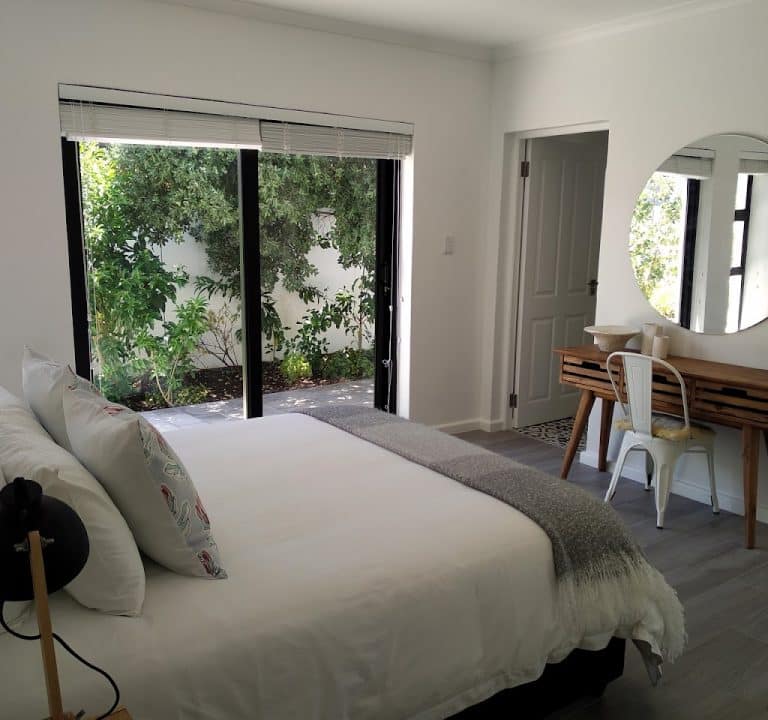
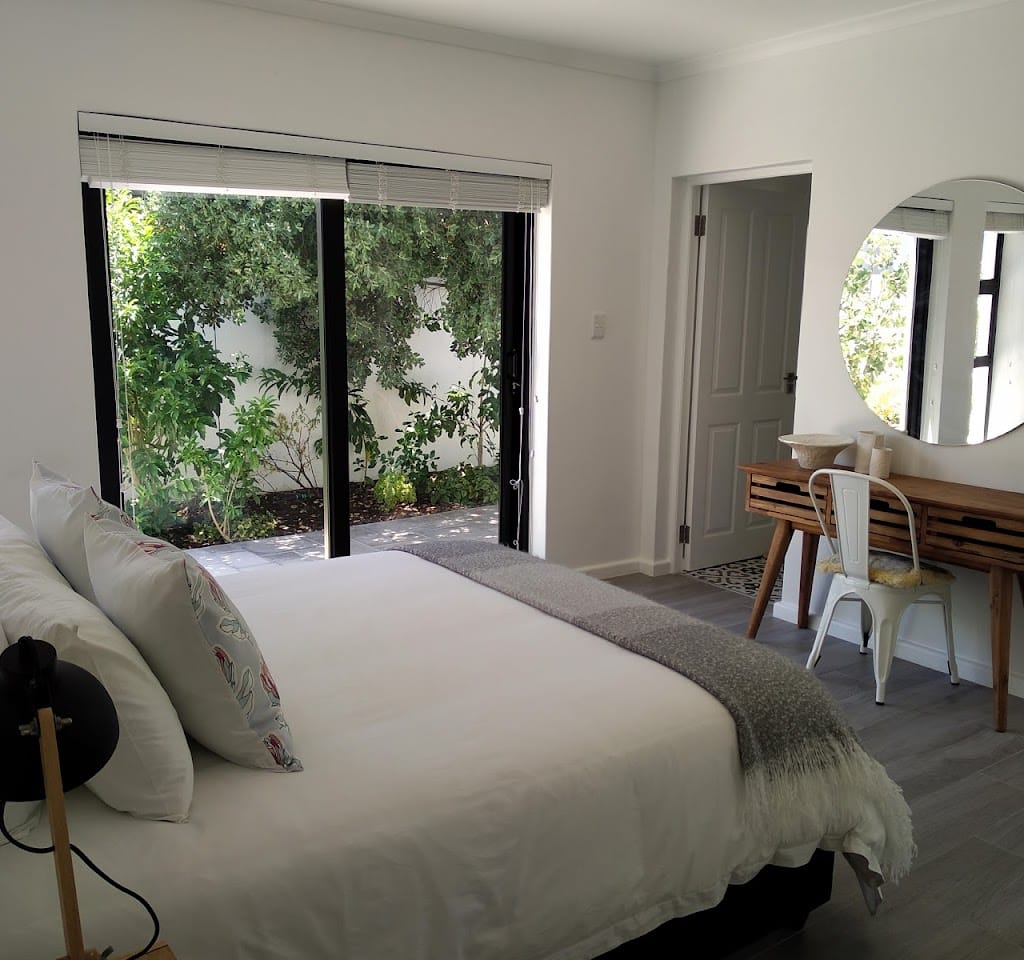
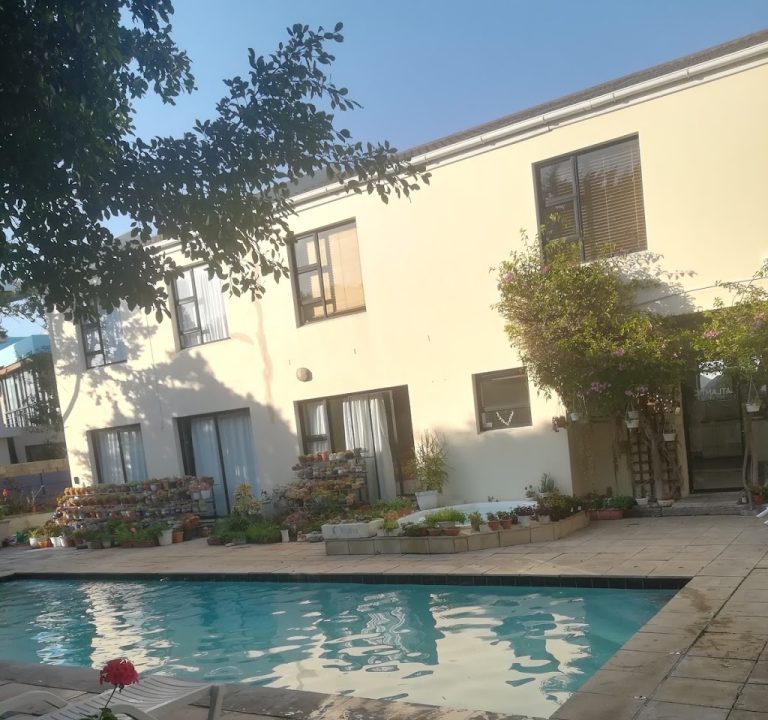
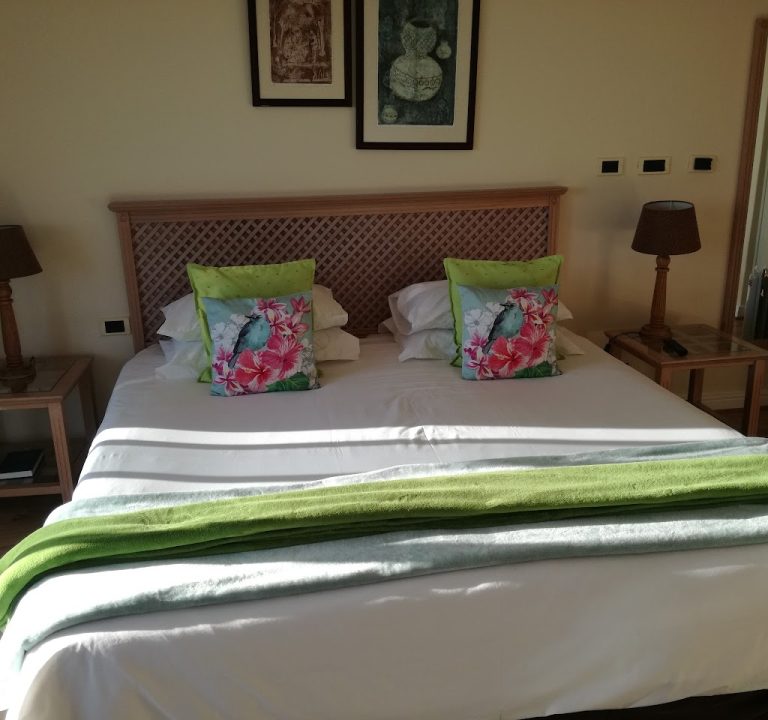
Sunset Sparrow Villa exemplifies the kind of self‑catering option travellers might favour for a flexible, comfortable stay. The property type often allows you to tailor meals to your plans, balance quiet evenings with social outings, and come and go with a sense of home base from which to explore Cape Town’s varied landscapes. When arranging your stay, confirm practical details such as self‑catering capabilities, laundry facilities, and any shared spaces. If your budget permits, you may also consider a mix of stays—perhaps a beach‑side base for a portion of the trip paired with a more central apartment or a boutique hotel for several nights—to experience the full range of Cape Town’s hospitality while maintaining flexibility for day trips and spontaneous discoveries.
- Fully equipped kitchen or kitchenette
- Reliable hot water and heating/cooling
- Wi‑Fi and comfortable communal spaces
- Secure parking or easy access to transport
- Clear check‑in/check‑out procedures and helpful local information
For planning, consider researching a few credible sources of local information and building a flexible itinerary. Balance longer sightseeing days with breaks at cafés or markets, allowing you to absorb Cape Town’s atmosphere rather than dash between sights. With careful selection of the right area, thoughtful attention to amenities, and a mix of self‑catering comfort and guided experiences, your Cape Town stay can be as enriching as it is relaxing.