Accommodation and Attractions in Cape Town: Where to Stay and What to Do
Cape Town, in the Western Cape of South Africa, offers a diverse tapestry of places to stay, from modern self-catering apartments to historic guesthouses and stylish boutique hotels. When planning a visit, think about which neighbourhood best suits your rhythm—whether you want easy access to iconic beaches, panoramic viewpoints, bustling markets, or a peaceful hillside retreat. For many travellers, a combination of stays in different areas provides the best balance of scenery, convenience and atmosphere.
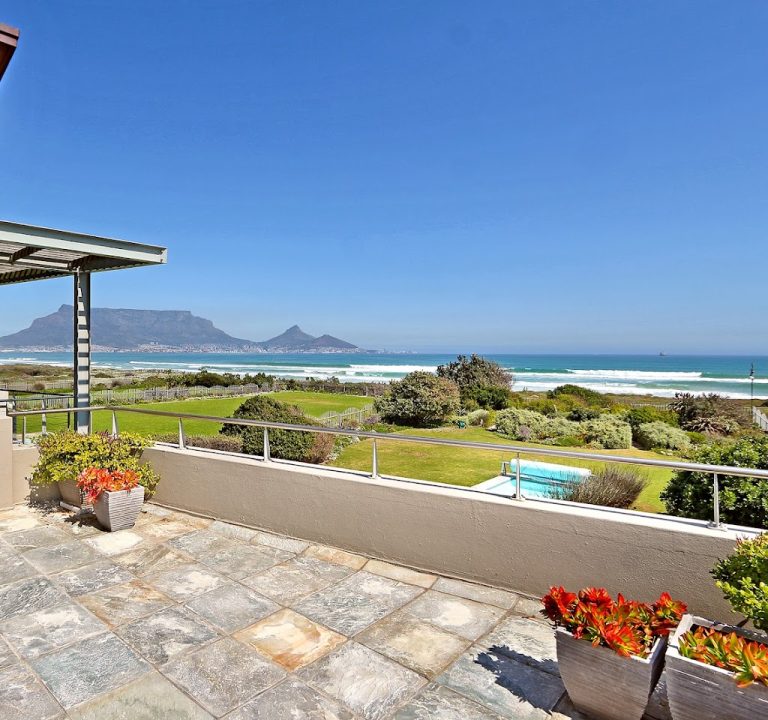
Self-catering options like Ocean Way Villas (a contemporary choice for those who enjoy independence and space) are particularly popular for families or groups. Such properties typically feature well-equipped kitchens, multiple bedrooms, and living spaces that make socialising easy after a day of sightseeing. When choosing a self-catering or apartment-style stay, consider layout, parking, access to a reliable Wi-Fi connection, laundry facilities, and whether the property offers a balcony or outdoor space with views. Look for properties that are well located for your plans—city sights, beaches, or wine routes—and check whether the building has quiet hours or on-site staff who can assist with local recommendations.
Neighbourhoods to consider include:
- City Bowl and the central Foreshore for easy ground-level access to museums, markets, restaurants and nightlife.
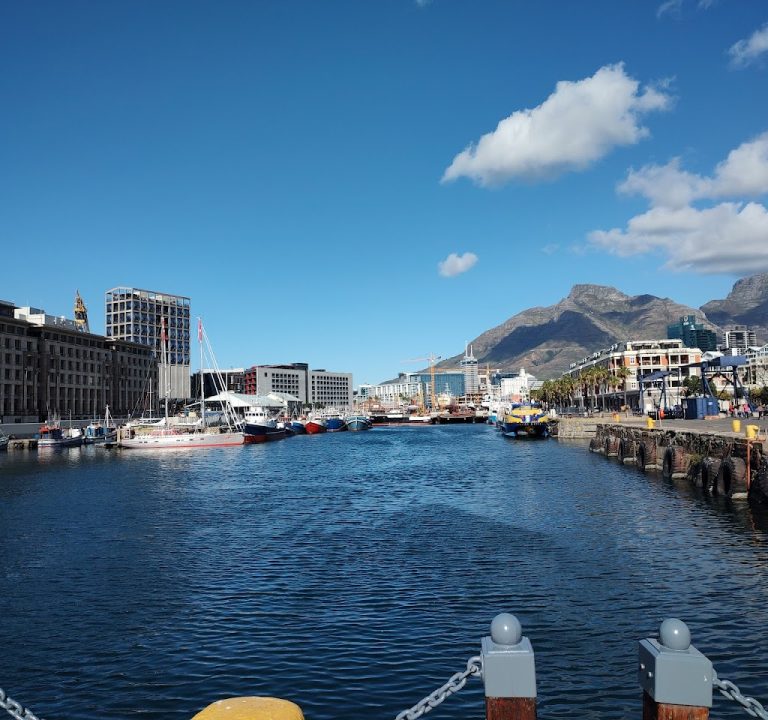
- Green Point and the V&A Waterfront area for walkable access to the harbour, promenade and a restaurant scene along the harbour edge.
- Camps Bay and the Atlantic Seaboard for dramatic coastal scenery, stylish cliffside accommodation, and sunset views.
- Constantia and False Bay for a slower pace, green hills, wine estates and proximity to scenic drives and hiking trails.
What to look for when booking:
- Amenities that match your plans: reliable Wi-Fi for remote work or streaming, a well-equipped kitchen, laundry facilities, parking, and security features.
- Proximity to transport links: whether your stay requires a car, or if you prefer easy access to MyCiTi buses or ride-hailing services for day trips and city exploring.
- Guest reviews and host responsiveness: consistent praise for cleanliness, accurate descriptions, and helpful local tips can make a big difference to your stay.
- Flexibility and cancellation policies, especially if travel plans may shift due to weather or events in the city.
Typical amenities you’ll encounter include comfortable furnishings, heating or air conditioning, good natural light, secure access, and sometimes terraces or shared gardens. Hosts often provide welcome notes with tips on best times for watching the sunset over the Atlantic, or suggestions for hidden viewpoints, markets, and affordable eateries away from the tourist crowds. If you’re using a self-catering option, a well-stocked kitchen, quality appliances, and an outdoor area for al fresco meals can elevate the experience.
Transport and getting around: Cape Town’s geography makes some days beautifully scenic but requires planning. A car gives you maximum freedom to explore the Cape Peninsula, Constantia’s vineyards, and the scenic drives along Chapman’s Peak or the seaside towns of Hout Bay and Muizenberg. If you prefer public transport or ride-hailing, the MyCiTi network covers many parts of the city, though some areas are more convenient by car or on foot. Walking is delightful in the City Bowl and along the Waterfront, but hills in areas like Table Mountain National Park can be steep, so wear comfortable footwear and plan routes in advance.
Best time to visit: Cape Town has a Mediterranean climate with a dry summer and a wetter winter. Peak tourist season typically runs from November to February, when the city basks in long days and lively outdoor events. Spring (September to November) and autumn (March to May) offer fewer crowds and mild weather perfect for hiking and wine-tasting trips. If you’re aiming for beaches and outdoor activities, plan for dry months, but keep a flexible mindset—mountain weather can change rapidly, and the cape’s microclimates deliver surprise sunshine even on cooler days.
Experiences to consider during a stay:
- Iconic viewpoints and coastal walks, such as nearby beaches and scenic lookouts that stay accessible even in peak season.
- Wine tours and scenic drives through the nearby Constantia and Stellenbosch regions, with opportunities to pair landscape with tastings and learning visits.
- Food markets and casual dining districts where fresh seafood, flavours from across South Africa, and international offerings sit alongside artisan produce.
- Day trips to the Cape Peninsula, including wildlife-friendly stops, coastal towns, and perhaps a boat trip to see the sea cliffs and seal rookeries from a distance.
Practical tips to enhance your stay include booking accommodation with clear cancellation terms, confirming access instructions before arrival, and checking what local facilities are available nearby—supermarkets, laundries, and medical centres can save last-minute stress. For a well-rounded experience, combine a stay in a central, easily walkable area with a few nights in a calmer coastal or green hillside district to balance city energy with scenic tranquillity. Cape Town rewards curious travellers with its natural beauty, diverse neighbourhoods and a dining and nightlife scene that’s both sophisticated and approachable. For more inspiration and practical planning, visit official tourism resources and local websites to tailor your itinerary to your interests and budget.
For further ideas and planning tips, you may wish to explore official Cape Town tourism resources at Cape Town Tourism, which provide practical guidance on activities, itineraries, and seasonal considerations.