Cape Town: where to stay and what to do for a memorable visit
Cape Town is a varied and captivating destination that combines dramatic scenery, a vibrant dining scene, and plenty of activities to suit every pace of travel. When planning a stay, consider a mix of neighbourhoods to balance views, accessibility, and local flavour. From the Atlantic coast with sweeping beaches to the foothills of table mountains, the city offers short hops between waterfront bustle, historic streets, and tranquil residential pockets.
Self-catering options, guesthouses, boutique hotels, and family-friendly lodges each bring a different rhythm to a stay. A practical approach is to anchor your base by one of the major hubs: the Atlantic Seaboard for sea views and easy beach access; the City Bowl for walkability and night-life proximity; or Cape Town’s southern suburbs for larger properties, leafy streets, and a quieter pace. For those seeking a home-from-home feel, serviced apartments and self-catering units – such as Lazy Days Apartments – can provide flexible layouts, kitchen facilities, and a sense of being able to live like a local while you explore the region. See example details at the property’s site: http://lazydaysapartments.co.za/about-us-2/.
What to look for when booking translates into three broad considerations. First, location and access: how easy is it to reach the city’s major sights, beaches, and transport links? A balanced stay often combines a central core with a short drive or Uber ride to nature reserves, winelands, and coastal viewpoints. Second, space and layout: for families or longer stays, a separate living area, a well-equipped kitchen, and laundry facilities can be real advantages. Third, amenities and service: dependable wi‑fi, secure parking, on-site parking or easy street parking, and responsive hosts or managers make a big difference to comfort and peace of mind. Always check cancellation policies and house rules, especially during peak travel periods.
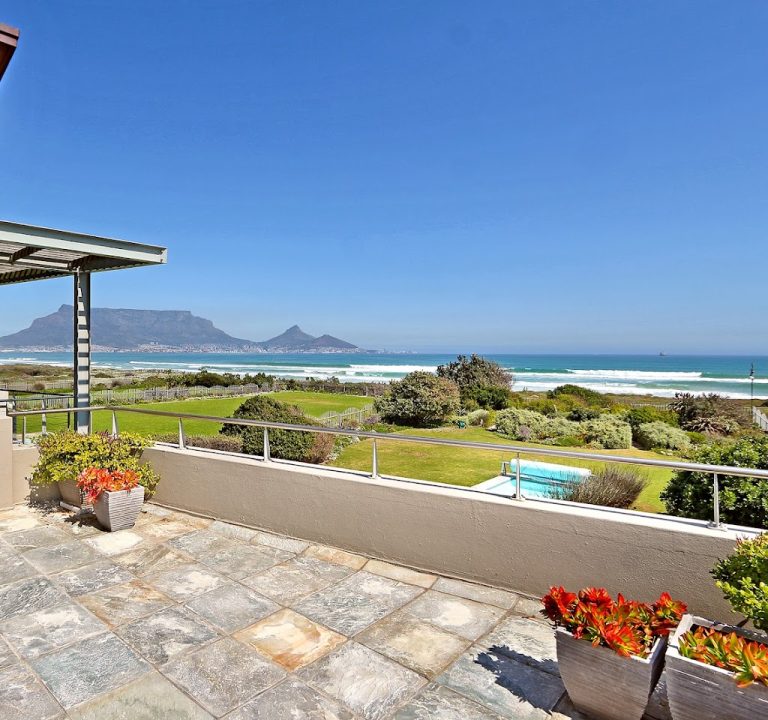
Typical amenities you may encounter include fully equipped kitchens, comfortable living spaces, private balconies or terraces with views, air conditioning or heating for varied seasons, and access to outdoor spaces such as pools or gardens. Property descriptions often highlight security features, 24‑hour reception or on-call management, and proximity to attractions. Many apartments and guesthouses also provide pantry basics, bedside essentials, and local information packs to help guests plan day trips or find reliable transport options.
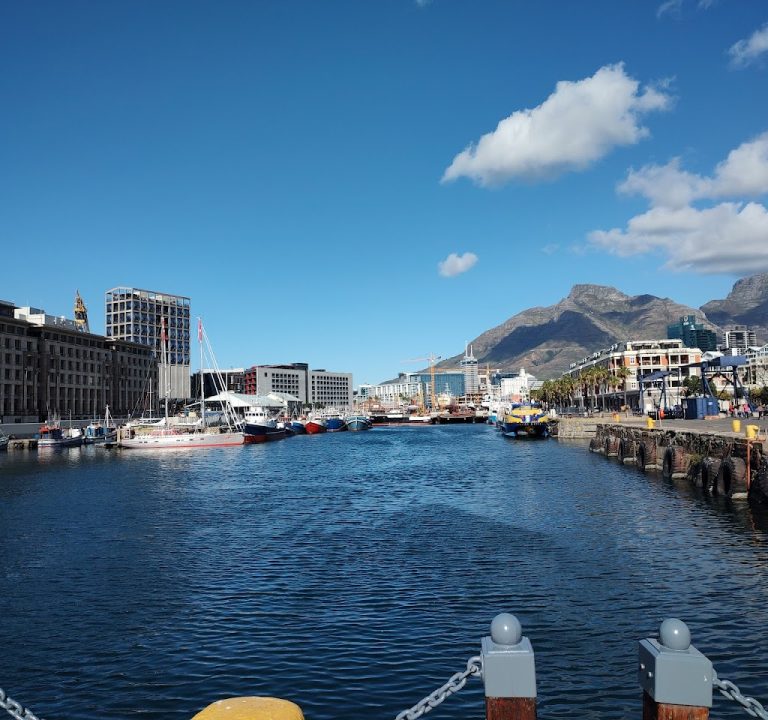
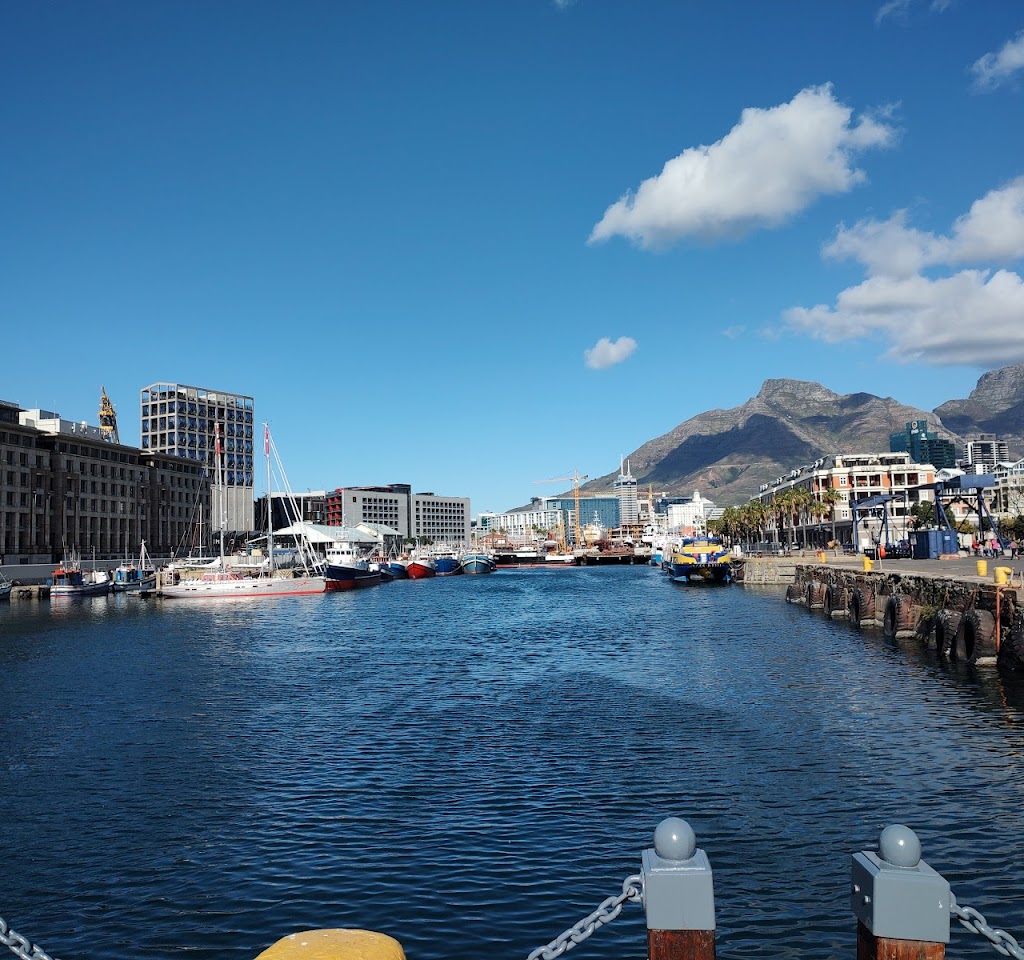
Transport in Cape Town is straightforward but varied. The MyCiTi bus network offers convenient routes around the city, and Uber or Bolt services are widely available for short hops. If you’re staying near the Waterfront or the central districts, you’ll be well placed for strolls along the harbour, markets, and museums. Driving is common for exploring further afield, including the Constantia Valley wine route, the Cape Peninsula, and the Cape Winelands. Always confirm parking arrangements with your accommodation, as some properties provide complimentary parking while others rely on paid or street options. If you plan to drive along the coast or into nature reserves, budget for tolls and parking fees where applicable.
Best time to visit Cape Town depends on your priorities. The city’s peak season runs from November to February when days are long and lively, but this also means busier streets and higher prices. The shoulder seasons—spring (September to November) and autumn (March to May)—offer mild weather, quieter attractions, and good value for accommodation. Winter (June to August) can be cooler and wetter, yet it brings fewer crowds and opportunities to enjoy the mountains, coastal walks, and museum visits with a more relaxed pace. Whichever time you choose, plan ahead for popular experiences and outdoor activities, as the best spots can fill up quickly during weekends and holidays.
When planning activities, aim for a balanced mix of natural scenery, cultural experiences, and culinary exploration. In days spent outdoors, iconic viewpoints along the Table Mountain range, coastal walks, and nature reserves provide dramatic backdrops and opportunities for photo stops. For a taste of the city’s cultural side, you can wander historic streets, browse markets, and visit public galleries or museums to learn about Cape Town’s layered history. In terms of dining, Cape Town offers a broad spectrum—from casual seafood shacks along the coast to refined dining rooms that showcase South Africa’s diverse produce. Rather than fixating on specific restaurants, look for places that prioritise seasonal ingredients, coastal or hillside settings, and friendly service. A well-chosen neighbourhood base often intersects with good dining options within easy reach by foot or a short ride.
Practical tips to help you enjoy a smooth stay. Book accommodation with flexible policies if you’re travelling across seasons or with changeable plans. Read recent guest reviews to gauge consistency between advertised features and real-life experience. If you’re new to self-catering stays, prepare a basic shopping list for essential items and confirm access to kitchens or laundry facilities before arrival. Pack layers for variable coastal weather and bring a compact sun protection kit for outdoor days. In planning day trips, map out your routes and leave room for spontaneous stops at viewpoints, markets, and cafés—Cape Town is as much about the journey as the destinations themselves.
- Neighbourhoods to consider: central city for convenience; Atlantic Seaboard for beaches and sunsets; Southern Suburbs for larger properties and gardens.
- Amenities to prioritise: kitchen facilities, secure parking, reliable wi‑fi, and access to outdoor spaces.
- Planning essentials: transport options, cancellation policies, and proximity to major sights.
- Seasonal planning: aim for shoulder seasons for better value and fewer crowds.
With thoughtful planning, Cape Town offers a welcoming blend of scenery, culture, and comfort. A well-chosen stay—whether a self-catering apartment, a guesthouse, or a boutique hotel—can become the anchor for a memorable exploration of the Western Cape’s experiences, from dramatic coastlines to world-class cuisine and captivating heritage sites.