Cape Town: A guide to choosing where to stay and planning your visit
Cape Town combines dramatic natural scenery with a rich cultural tapestry, making it a destination that rewards thoughtful planning. Whether you prefer coastal splendour, characterful guesthouses in historic neighbourhoods, or sunny villas with mountain views, there are plenty of options to suit different itineraries and budgets. When planning a stay, consider factors such as transport links, proximity to sought‑after neighbourhoods, and the kind of atmosphere you want—from leafy residential calm to lively waterfront buzz.
For a comfortable base with easy access to the city’s highlights and a touch of personal hospitality, a bed and breakfast or guesthouse can be ideal. These properties often offer a home-from-home feel, with helpful owners who can share local tips, arrange day trips, and provide a hearty breakfast to set you up for the day. If you value privacy and boutique style, you might favour a guesthouse with stylish décor and well‑appointed rooms, while travelling families may look for family rooms, secure parking, and child-friendly spaces. Always check what’s included in the rate—some places include breakfast, while others offer self‑catering options or access to a shared kitchen.
Key areas to consider when booking include:
- City Bowl and central Cape Town: convenient for museums, markets, restaurants, and quick access to a range of tours.
- Atlantic Seaboard (Camps Bay, Clifton, Bantry Bay): renowned for beaches, dramatic ocean views and a more relaxed, resort-like ambience.
- V&A Waterfront and Inner City: lively, with plenty of dining and entertainment choices, ideal for first‑time visitors who want everything within walking reach.
- Southern Suburbs (Constantia and More): leafy, wine‑terroir stops with easy drives to Constantia Valley’s wine estates and scenic hiking trails.
- Bo-Kaap and De Waterkant: historic colourwashed streets, characterful guesthouses, and easy access to the centre and the harbour.
Typical amenities to look for include en-suite bathrooms, reliable Wi‑Fi, heating or air conditioning, secure on‑site parking, and a generous breakfast offering. Many Cape Town guesthouses also provide a pool or outdoor seating area, which is particularly welcome in the warmer months. If you plan day trips to the Cape Peninsula, nearby lodges or guesthouses with easy parking and a friendly reception can save time and add convenience. Always confirm accessibility features and check recent guest reviews for updated information on cleanliness and service level.
Getting around in Cape Town is straightforward, though traffic can be busy during peak hours. The city offers a modern MyCiTi bus network with routes linking major zones, while rideshare apps provide a convenient alternative for short hops or evenings out. For greater flexibility, some travellers rent a car, particularly if you intend to explore the Cape Peninsula, wine routes, or the Cape Point section at your own pace. If you’re staying near the waterfront or in the City Bowl, many attractions are walkable, but plan for a taxi or ride when venturing to the Peninsula or up Table Mountain funicular or cable car. Always budget time for the inevitable scenic detours when visiting iconic viewpoints.
The best time to visit Cape Town depends on your priorities. Spring (September to November) and autumn (March to May) bring mild days, fewer crowds, and Atlantic sea breezes, making them excellent for outdoor activities such as hiking, coastal walks, and wine‑tasting excursions. Summer (December to February) offers lively beaches and long daylight hours, while winter (June to August) tends to be cooler and wetter, yet remains appealing for fewer visitors and lower rates in some areas. Pack layers, a sunhat, and sunblock year‑round, as the coastal climate can be changeable even in summer.
When planning activities, think about combining natural beauty with culture and cuisine. A morning hike or cable car ride up a prominent peak followed by a late‑afternoon visit to a market or harbour precinct makes for a balanced itinerary. In terms of dining, Cape Town offers everything from casual seaside eateries to refined restaurants with sweeping views. In general terms, you’ll find menus that celebrate seafood, farm‑to‑table ingredients from the Western Cape, and global influences. It’s worth leaving room for spontaneous discoveries—many neighbourhoods host bustling cafés, casual bistros, and artisan markets punctuating a day of exploration.
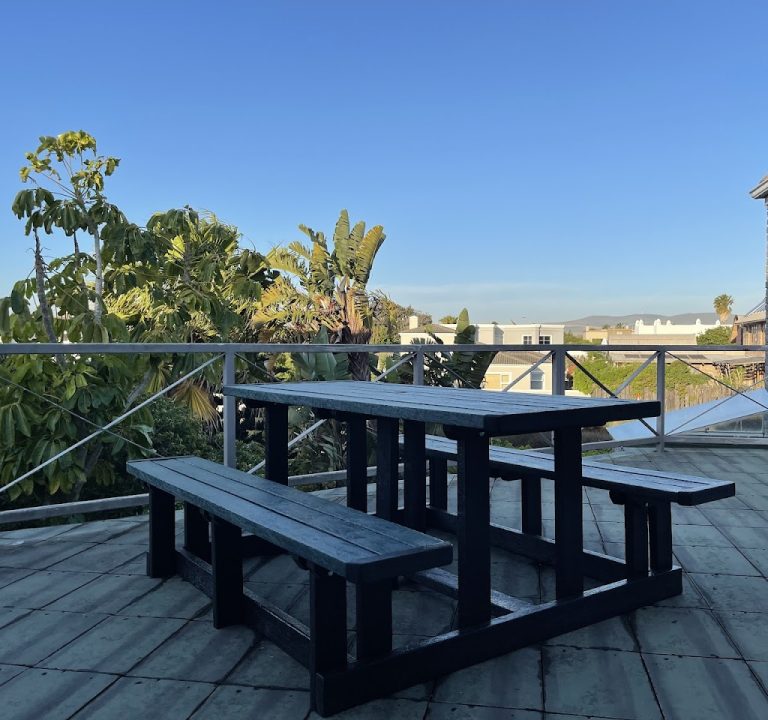
If you’re seeking a characterful place to stay with a personal touch, consider Sunset Decks Guest House. Located in a scenic area with easy access to major sights, it can serve as a comfortable home base from which to explore the city and surrounding wine routes. To learn more, visit their website at Sunset Decks Guest House.
Finally, plan practicalities with a light itinerary and flexible days. Confirm cancellation policies and any seasonal adjustments to breakfast or housekeeping. Have a rough day‑by‑day plan—balancing iconic experiences with relaxed time for enjoying a terrace, a coffee, or a sunset view. With thoughtful selection of accommodation and a well‑paced plan, Cape Town offers a memorable blend of landscapes, culture, and gastronomy that stays with you long after you leave.