Accommodation and Experiences in Cape Town: Planning Your Stay
Cape Town, in the Western Cape of South Africa, offers a diverse mix of accommodation styles to suit different travel ambitions, from intimate guesthouses to stylish city hotels and scenic lodges. When planning a stay, consider the neighbourhoods that characterise the city’s geometry: the mountain-edge suburbs, the coastal plains, and the urban quarters that pulse with markets, eateries and culture. A well-chosen base can minimise transit time, maximise daylight for explorations, and tailor your experience to whether you want beach, mountains, history, or nightlife on your itinerary.
Areas to consider include the Atlantic Seaboard, where palm-lined promenades and white sandy beaches sit alongside contemporary restaurants and boutique stays; the vibrant City Bowl, convenient for museums, concerts, and markets; and the leafy Constantia Valley, famed for wine estates and scenic drives. If a more residential, quiet ambience appeals, you might opt for the southern suburbs or the Cape Flats fringe. For families, accessibility to beaches and parks may dictate a larger apartment or a family-friendly guesthouse with spacious rooms and practical facilities. For those chasing a social scene, a stay near the V&A Waterfront or Green Point often puts you in easy reach of entertainment and public transport links.
Typical accommodation types in Cape Town range from guesthouses and bed-and-breakfasts to small boutique hotels and self-catering apartments. Guesthouses, such as those framed by warm hospitality and personalised recommendations, can offer you a more intimate feel and a homely start to your day. Look for hosts who can share practical tips on local transport, safe walking routes, and day trips beyond the city. When browsing options, pay attention to room configurations, en-suite facilities, and whether breakfast is included or available nearby. If the property includes a shared lounge or kitchen, it may add flexibility for longer stays or budget-conscious travellers.
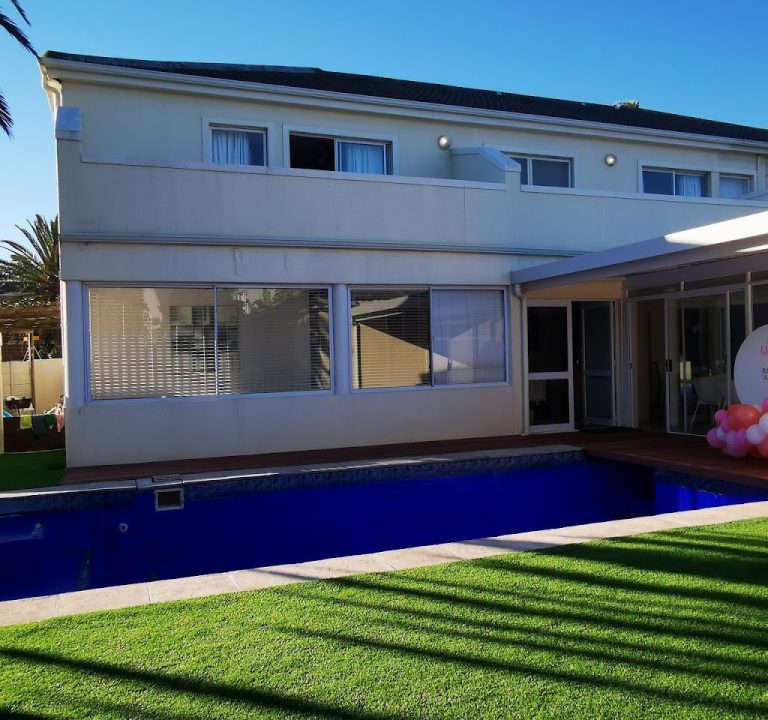
Common amenities to expect include reliable Wi-Fi, secure parking or easy access to public transport, daily housekeeping, and well-equipped kitchens or kitchenettes. Air conditioning or heating, in-room safes, and quality bedding contribute to comfort during Cape Town’s varied seasons. Some properties offer plunge pools, balconies with harbour or mountain views, or cosy communal spaces—features that can enhance the stay, especially for travellers seeking a relaxed tempo after a day of touring. If you need accessibility features or a family-friendly layout, filter options accordingly and confirm the room type and configuration directly with the host or hotel before booking.
Transport is a practical consideration in Cape Town. The city is spread out, and while Uber and local ride-hailing services are widely available, many visitors prefer a guesthouse with easy access to major routes or close proximity to a MyCiTi bus stop for affordable city travel. If you plan to explore beyond the central sights, a car can be useful, but remember the steep hills in some areas and limited parking in busy parts of the city. For en route activities like coastal walks or wine-tasting days, a well-located base can save time and reduce fatigue, making day trips more enjoyable rather than exhausting.
The best time to visit Cape Town depends on your priorities. Summer (November to March) delivers warm days, longer daylight hours, and ideal conditions for beaches and outdoor adventures. Autumn (April to May) tends to be milder with fewer crowds, a good window for scenic drives along the coast and urban exploring. Winter (June to August) is cooler and wetter, but it’s also a time when vineyards and museums provide cosy experiences, and the city’s dining scene thrives with indoor options. Spring (September to October) brings flowers and pleasant conditions for outdoor activities. Always check local weather forecasts and be prepared for microclimates—Table Mountain can experience sudden changes in weather, and a light layer is wise year-round.
When booking, practical tips can help you secure a comfortable and convenient stay. Consider the following:
- Proximity to your planned activities and reliable transport options.
- Clear cancellation policies and the host’s responsiveness.
- Clarity about meals and kitchen access if you prefer self-catering.
- Guest reviews that mention cleanliness, noise levels, and the helpfulness of the host.
- Confirming parking arrangements if you have a vehicle.
Beyond accommodation, Cape Town’s appeal lies in its natural beauty and the broad spectrum of experiences. Landscape enthusiasts can enjoy Table Mountain’s views, coastal walks, or the reflective charm of Cape Point. Cultural travellers may explore museums, galleries, and neighbourhood markets that showcase the city’s diverse heritage. Food lovers can look forward to a vibrant dining scene with a mix of farm-to-table eateries, multicultural cuisine, and wine-region-inspired choices within short drives of the city centre. Family-friendly activities, such as marine encounters, botanical gardens, and interactive exhibits, provide engaging options for all ages. For a refined stay, consider a boutique guesthouse that emphasises local hospitality and detailed attention to guest comfort, such as Saffron House Guesthouse, which combines a welcoming atmosphere with convenient access to Cape Town’s main routes and attractions. For more information, visit the host’s site at https://www.saffronhouseguesthouse.co.za/.
When planning a stay in Cape Town, balance your accommodation selection with a flexible itinerary that allows time to relax and soak up the city’s unique rhythm. Build in buffer days for weather shifts, and keep a few backup options for dining and activities in different neighbourhoods. By choosing a well-located base, seeking thoughtful amenities, and preparing for Cape Town’s diverse climate, you can enjoy a memorable visit that blends natural splendour with memorable cuisine and culture.