Staying in Cape Town: a practical guide to accommodation and experiences
Cape Town offers a diverse choice of places to stay, from stylish boutique stays to family-friendly lodges and modern hotels with sea views. When planning a visit, think about which part of the city will be most convenient for your planned activities and how you prefer to move around. The Western Cape’s coastline and surrounding mountains create a striking backdrop for a memorable break, so choosing the right neighbourhood can help you maximise your time and enjoyment.
Areas to consider include the V&A Waterfront and the inner-city district known as the City Bowl, which are ideal for walkers who enjoy easy access to attractions, eateries, and nightlife. The Atlantic Seaboard, including Camps Bay and Clifton, is perfect for sunset views and beach days, while the Atlantic coast near Sea Point offers a lively promenade and good public transport links. If you favour mountain scenery and leafy streets, a stay in Constantia or Stellenbosch can provide a relaxed, wine-country experience a short drive from the city centre. For a culturally rich atmosphere with colourful streets and historic architecture, consider the Bo-Kaap area within walking distance of central sights and museums.
What to look for when booking depends on your priorities. If you plan to spend long days out exploring, you’ll appreciate a comfortable room with reliable Wi‑Fi, decent air conditioning, and convenient access to transport. A strong offer of breakfast or easy self-catering facilities can save time in busy itineraries. On longer stays, features such as a well-equipped kitchenette, a pool, parking, and 24‑hour reception can make a big difference to your overall convenience. If you are visiting with family, check on child-friendly spaces, room layouts, and safety features. For those arriving by car, confirm whether on-site parking is available and whether bookings include guaranteed spaces in popular neighbourhoods.
Typical amenities you may encounter include en-suite bathrooms, daily housekeeping, tea and coffee facilities, free Wi‑Fi, air conditioning or ceiling fans, and access to communal lounges or gardens. Many properties offer curated experiences or guidance on local routes, including walking tours, hikes, or recommendations for scenic drives along the coast. Some families and groups look for self-contained units or serviced apartments, which provide greater flexibility for meals and quiet periods after busy sightseeing days.
Transport in Cape Town is varied and convenient. The MyCiTi bus network links many central neighbourhoods with popular sights, and rideshare services are widely available. If you plan to visit the surrounding winelands or coastal locations, renting a car offers the most flexibility, though parking and traffic can be challenging in busier areas. For shorter hops, a taxi service or a local travel desk at your accommodation can arrange transfers or day trips. Remember that some streets near popular tourist spots can be narrow or one-way, so allowing extra time for travel will help you stay relaxed during your plans.
The best time to visit Cape Town depends on the experience you want. Spring (September to November) brings fresh colours and spring flowers, with mild days and blooming scenery. Summer (December to February) offers long daylight hours and lively beach atmospheres, though it can be busier and more expensive. Autumn (March to May) provides cooler evenings and calmer streets, while winter (June to August) is the quietest period with cooler, wetter weather and excellent value in many accommodation options. If you are interested in outdoor activities such as hiking, coastal walks, or wildlife viewing, plan outdoor plans for the drier, typically sunnier periods in spring and autumn.
When planning activities, consider a balance of nature, culture, and cuisine. Iconic natural landmarks and viewpoints are within easy reach for day trips, and many hotels and guesthouses can help organise guided walks or scenic drives. In terms of dining, Cape Town’s restaurant scene offers everything from casual cafés serving light meals to sophisticated establishments focused on modern South African cuisine. You can enjoy fresh seafood along the coast, global influences in cosmopolitan neighbourhoods, and seasonal menus that highlight local produce. Booking ahead for popular spots is sensible, particularly in peak seasons, though there are usually fresh, welcoming options for spontaneous meals too.
- Choose a base that minimises long transfers to your must-see activities.
- Check whether breakfast is included and assess the value against your plans for eating out.
- Confirm parking options if you are driving, or whether the neighbourhood is well served by public transport and taxis.
- Look for safe, well-lit access and a reception team available for travel tips and reservations.
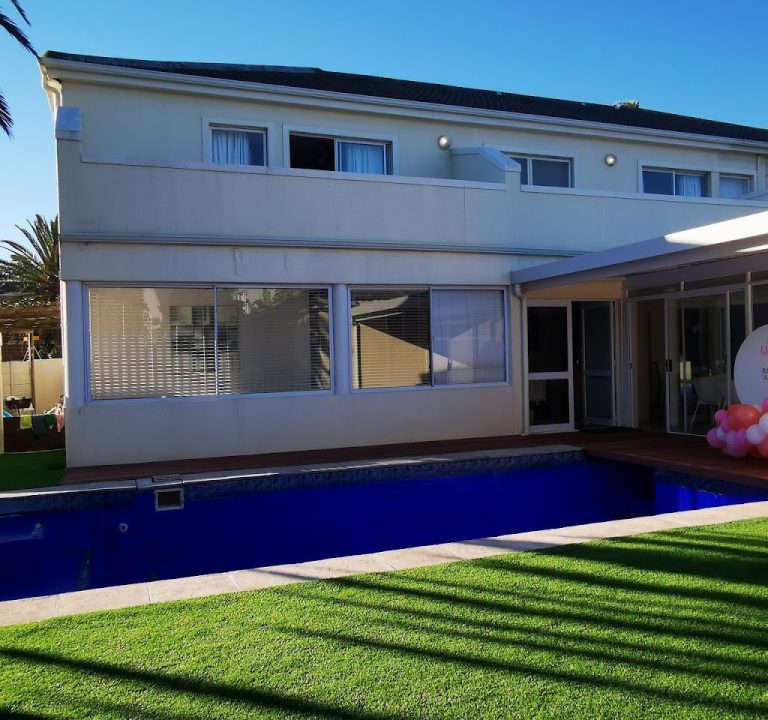
Atlantic Beach Villa, located in a coastal setting near convenient transport links and scenic routes, serves as an example of how a well-situated property can combine comfort with access to both city sights and outdoor experiences. Whether you are drawn to beachside relaxation, mountain panoramas, or vibrant city life, Cape Town offers a broad spectrum of accommodation and experiences to suit a range of tastes and budgets. For more ideas and practical planning resources, you can explore official tourism sites or reputable travel guides to help tailor a stay that fits your dates and interests. For inspiration and practical planning tips, consider visiting reputable tourism pages that provide current seasonality, transport updates, and suggested itineraries.
In summary, a well-planned Cape Town stay balances a comfortable base with easy access to the city’s natural beauty, historic districts, and culinary scene. With thoughtful accommodation choices, sensible transport planning, and a flexible approach to attractions and dining, you can craft a memorable visit that captures the best of the Mother City.