Stay in Cape Town: accommodation, attractions and planning your visit
Cape Town offers a diverse mix of places to stay, from stylish self‑catering apartments to sunny beachside guesthouses and elegant boutique hotels. Whether you want a city-centre base with easy access to museums and cafés, or a coastal retreat with mountain views, the key is to plan around your preferred areas, transport needs and the rhythm of the city. A well-chosen base can make a big difference to how you spend your days exploring the Western Cape’s capital and its surrounding regions.
When choosing a neighbourhood, consider what you want to do each day. City Bowl and the central foothills of the Table Mountain range place you within walking distance of galleries, markets and a vibrant dining scene, with quick access to the MyCiTi bus network and Uber-style alternatives for returns after dark. The Atlantic Seaboard, including areas near Camps Bay and Clifton, offers a coastal mood with long beaches and dramatic sunsets, while Green Point and Sea Point are convenient for the V&A Waterfront and the stadium precinct. Southern Suburbs, including Constantia and nearby Constantia Valley, suit travellers seeking leafy neighbourhoods, quiet evening meals and close proximity to wine estates. Each area has its own character and pace, so balance convenience with what you want from your days in the city.
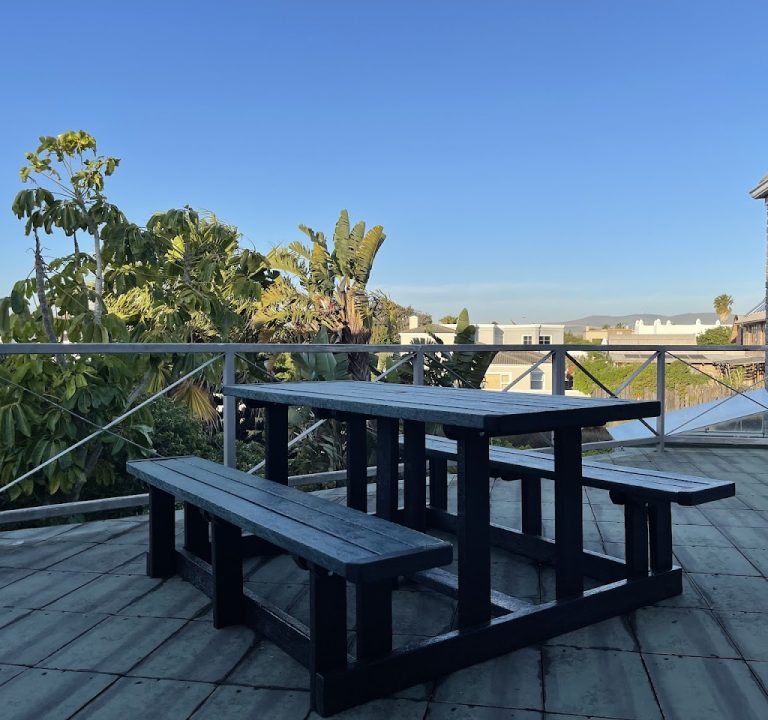
Self‑catering accommodation, such as Silver Sunsets, can provide a comfortable home base with the flexibility to cook your own meals, wash the holiday blues away in a private space and come and go on your own schedule. Look for properties with a well-equipped kitchen, a dedicated living area, adequate storage, good lighting, and reliable hot water. Parking is a practical consideration in busy neighbourhoods, so seek secure or on-site parking where possible, or confirm easy access to public transport and ride‑hailing options. If you are travelling with family or friends, a well‑configured layout with separate bedrooms or divided living spaces can improve everyone’s comfort and privacy.
What to look for when booking is as important as where you stay. Prioritise clear descriptions and recent guest reviews that mention cleanliness, noise levels, and responsiveness of hosts or management. For self‑catering stays, confirm kitchen equipment (oven, hob, microwave, fridge/freezer), utensils, cookware, coffee making facilities and a dishwasher if required. Temperature control is helpful for both hot summers and cooler evenings. Check for reliable Wi-Fi if you need to work or stream, and assess whether the property provides items such as a hairdryer, towels, and laundry facilities. Accessibility features can also be important if you have specific needs. Timing matters too: consider shoulder seasons (spring or autumn in Cape Town) for quieter streets and more favourable prices, while December to February brings longer days and a buzzing holiday atmosphere but higher demand.
Typical amenities across Cape Town’s accommodation spectrum often include secure entry, housekeeping options, a good reading or living area, and sometimes on-site parking. In many guesthouses and boutique hotels you’ll find complimentary tea and coffee, and occasionally breakfast offerings at an extra cost. Self‑catering units may provide essentials like dish soap, washing up gear, and sometimes basic pantry items. When budgeting, bear in mind that many places offer flexible cancellation policies, which can be a smart hedge against ever‑changing travel plans in this region.
Transport in Cape Town is part of the experience. The city has a growing network of bus services, ride‑hailing options, and scenic drives that can be straightforward to navigate from most central locations. If you plan day trips to the Cape Peninsula, wine routes, or the Cape Winelands, a car gives you the most flexibility, though organised tours and private drivers are good alternatives if you wish to relax and enjoy the scenery. For shorter hops, staying within easy reach of a MyCiTi corridor or major bus routes can save both time and energy.
The best time to visit Cape Town depends on your priorities. Summer (December to February) brings warm, dry days ideal for outdoor activities and beaches, but it can be busy. Autumn (March to May) and spring (September to November) offer comfortable temperatures, clearer light for photography, and fewer crowds. Winter (June to August) is cooler and occasionally wet, yet it can be a time to enjoy green, lush landscapes and fewer tourists. Keep in mind that local events, road closures, or seasonal maintenance can influence plans, so having a flexible approach helps.
When planning an itinerary, balance iconic experiences with some lighter days. General highlights include the dramatic Table Mountain or Lions Head viewpoints, a wander through historic districts, harbourfront strolls, and markets that showcase local crafts and produce. Dining in Cape Town ranges from casual coastal eateries to contemporary fine dining, with a strong emphasis on ocean‑fresh flavours and regional produce. For a relaxed evening, consider restaurants and venues that offer outdoor seating with harbour or mountain views, especially in late spring and summer when the city returns to life after sunset.
Practical tips to help you enjoy your stay:
- Book accommodation with flexible cancellation when possible and read recent reviews about cleanliness and safety.
- Choose a base that minimises transit time to your must‑do activities, but allow some variability for weather or spontaneous plans.
- Pack layers for variable coastal weather and sun protection for outdoor days.
- Respect local safety guidance, keep valuables secure, and use reputable transport options especially after dark.
- Check water usage guidelines if visiting during dry seasons and be mindful of any local restrictions.
With thoughtful preparation, Cape Town can be enjoyed at a relaxed pace or with a fuller itinerary. A well‑chosen home base, comfortable amenities and a flexible plan will help you savour the city’s diverse scenery, vibrant dining scenes, and the natural splendour of the Western Cape. Whether you linger in a stylish self‑catering apartment, or settle into a cosy guesthouse, your stay in this remarkable city will be memorable for all the right reasons.