Johannesburg: Accommodation, attractions and practical tips for planning your stay
Johannesburg, Gauteng, offers a dynamic mix of modern hotels, boutique guesthouses and comfortable apartments that put visitors close to the city’s culture, history and burgeoning dining scene. When planning a stay, it helps to think about which neighbourhood will best match your interests and daily routine, as the city is wide and distinctly diverse in character.
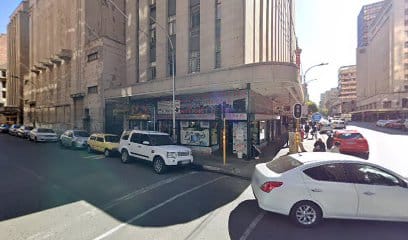
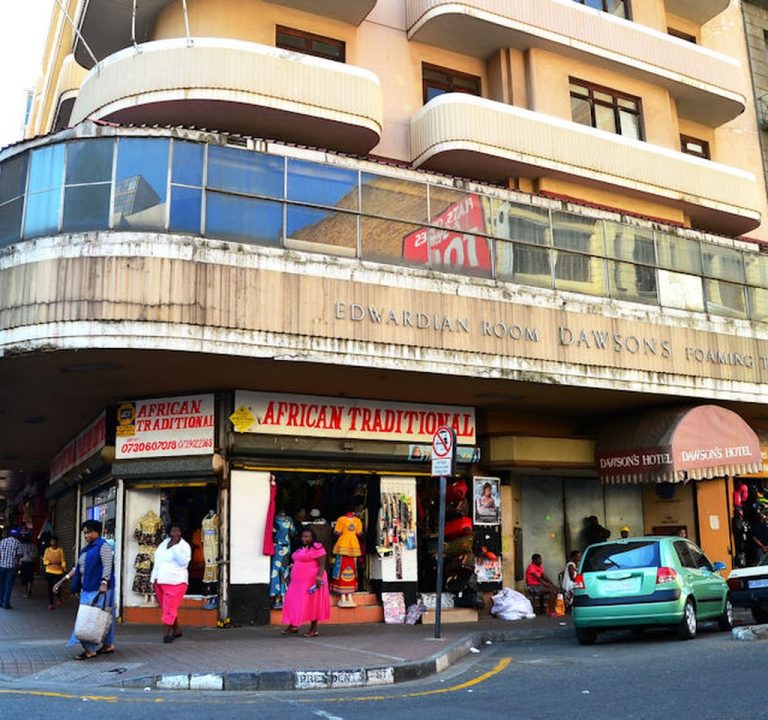
Popular areas for accommodation include central districts, suburban business hubs and inner-city quarters with easy access to transport links. The central business district (CBD) puts you within walking distance of museums, theatres and historic sites, while the northern suburbs around Sandton and Rosebank are known for shopping, refined dining and upscale stays. If you prefer a more bohemian vibe with galleries and street photography, places such as Braamfontein and Maboneng offer stylish lodgings and a lively pace. Soweto, with its sprawling history and outdoor markets, also has guesthouses and smaller hotels that provide a more community-oriented experience. When choosing where to stay, consider your planned activities, safe access to transport at night and the preferred pace of your holiday days.
What to look for when booking accommodation:
- Safety and reception arrangements, including 24‑hour staff or on-site security and a clear check-in process.
- House rules, parking options and accessibility features if needed for mobility considerations.
- Wi‑Fi quality and quiet spaces for work or study, particularly if you’re balancing travel with business or study tasks.
- Proximity to reliable transport hubs (Gautrain connections, bus routes or major arterials) to simplify day trips and travel after dark.
- Clear cancellation policies and fair room configurations (such as en-suite bathrooms, air conditioning or heating, and self-catering facilities if that suits your plan).
Typical amenities you might encounter include en-suite bathrooms, air conditioning or fans for Johannesburg’s fluctuating temperatures, complimentary Wi‑Fi, breakfast options, on-site dining or shared kitchens, and access to outdoor spaces or gyms. Many concierge services can arrange local tours,airport transfers and restaurant reservations, which can be particularly helpful if you’re unfamiliar with the city’s layout.
Transport within Johannesburg is well supported by a mix of rail, bus and road networks. The Gautrain offers fast links to Pretoria and the Sandton area, while local routes make it practical to hire a car or use ride-hailing apps for door-to-door connections. If you plan to explore beyond the urban core, check whether your accommodation offers easy shuttle options or guidance on public transport times. Walking is safe in well-trodden districts during daylight hours, but it’s wise to plan evening journeys with visibility and safety in mind, especially in larger, busier areas.
The best time to visit Johannesburg tends to be during the drier winter months (roughly May to August), when the air is clear and temperatures are comfortable for outdoor sightseeing. Summer can bring generous afternoon thunderstorms, while autumn and spring offer mild days that are ideal for explorations around parks and markets. For visitors who want to combine city life with outdoor experiences, consider spacing travel days to avoid peak traffic periods and to enjoy early mornings at cultural sites before crowds gather.
When planning activities, you’ll find a wealth of experiences that illuminate South Africa’s heritage, art, food and city life. In addition to museums and galleries, you can expect guided tours that cover the socio‑historical context of the city, street art tours in up-and-coming districts, and neighbourhood wanderings that reveal markets, cafés and architectural contrasts. Dining in Johannesburg ranges from modern bistros to casual eateries, offering dishes that reflect a fusion of local ingredients and international influences. Rather than focusing on specific venues here, look for well-reviewed options in your chosen area, and consider trying a few recommendations that specialise in seasonal, locally sourced produce.
Practical tips to make the most of your stay:
- Book accommodation with flexible check-in times if you expect variable travel schedules or overnight flights.
- Request a map or guidance from your host regarding safe routes to key sights and reliable local amenities.
- Plan day trips in advance, but leave some time free for spontaneous discoveries—Johannesburg rewards exploratory wandering, especially around markets and creative districts.
- Use official tourism resources or reputable travel guides for updated opening hours of attractions and for seasonal events.
- Pack versatile layers for temperature changes between day and night, and comfortable footwear for urban walks.
For those seeking a convenient overview of the city, a stay centred around a well-connected hub offers the easiest balance between rest and activity. Whether you choose a boutique guesthouse in a creative quarter, a modern hotel near a business district, or a comfortable apartment in a lively neighbourhood, Johannesburg provides options that suit a wide range of tastes and budgets. A well-planned itinerary, mindful of transport links and safety considerations, will help you maximise your time and enjoy the city’s energy, culture and culinary offerings. For further inspiration and practical planning tips, consider consulting the official tourism information available online, and look for accommodation listings that provide clear details about amenities, security and access to essential transport connections.