Johannesburg: Where to Stay, What to Do, and How to Plan Your Visit
Johannesburg, in Gauteng, is a sprawling metropolis with a mix of modern business districts, leafy residential neighbourhoods, and vibrant districts that pulse with culture and history. Planning a stay here means balancing convenience with character: choosing a base that suits your itinerary, from city-centre explorations to day trips to nearby natural and cultural attractions. Whether you’re after a boutique B&B, a comfortable hotel, or a guesthouse with a personal touch, Johannesburg offers options to match most tastes and budgets.
When deciding where to stay, consider the areas that best fit your plans. The city centre and surrounding districts can be lively and busy, while northern suburbs tend to be more residential and calmer. If you want easy access to business hubs, culture, and nightlife, you might favour central or northern neighbourhoods with good transport links. For a more relaxed atmosphere, you could base yourself in a fashionable suburb known for cafes, green spaces, and easy access to parks. Below are some areas commonly considered by visitors:
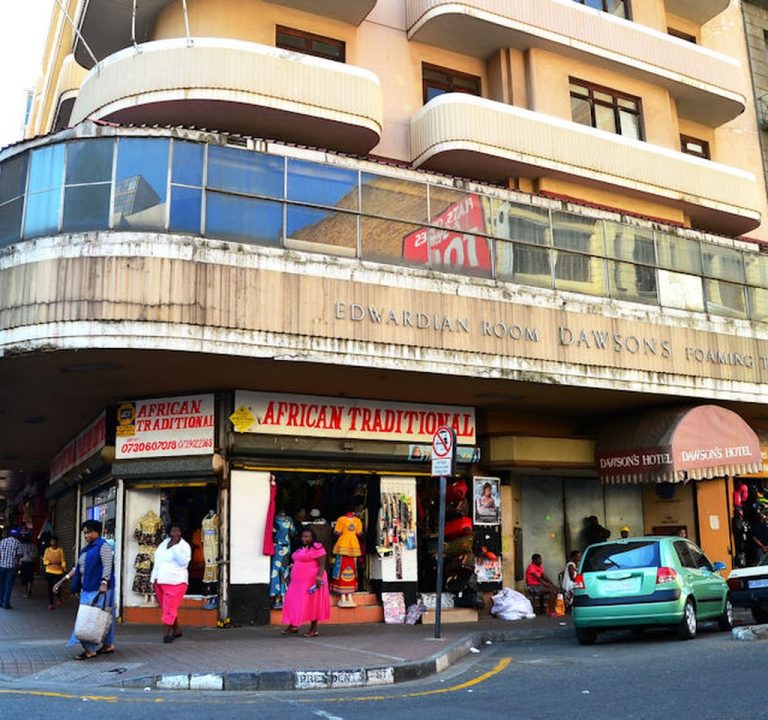
- Johannesburg CBD and nearby creative enclaves, which offer energy, museums, galleries, and a mix of historic and modern architecture.
- Rosebank and Sandton, home to shopping, dining, and convenient transport connections, with a cosmopolitan feel.
- Soweto and neighbourhoods on the south-west edge, for authentic cultural experiences and a sense of history.
- Braamfontein and Melville, known for lively dining scenes, bars, and easy access to the city’s attractions.
- Northcliff, Fourways, and other northern suburbs for a quieter stay with leafy streets and family-friendly amenities.
Accommodation in Johannesburg ranges from intimate guesthouses and B&Bs to larger hotels and modern lodges. What many travellers value is a property that clearly communicates its strengths—ease of access to public transport or parking, security features, and clear guidance on nearby attractions and dining. Typical amenities you might expect include free Wi‑Fi, comfortable en-suite rooms, private or shared lounges, and convenience facilities such as coffee making, daily housekeeping, and on-site parking. For longer stays, some properties offer self-catering kitchens or kitchenettes, which can be a practical option for families or travellers planning to shop and cook for themselves.
Transport is an important planning element. In Johannesburg, bulk travel is generally by car or taxi, with public transport options including rail links and limited bus services. The Gautrain, where accessible, provides fast, reliable connections to key hubs and the airport, but not every area is equally served, so check distances from your accommodation to stations or pick-up points. Many guests rely on reputable ride-hailing services or pre-arranged transfers, particularly when staying near busy centres. If you plan day trips outside the city, consider whether your accommodation can assist with arranged tours or reliable hire arrangements.
Best time to visit Johannesburg depends on your priorities. The city enjoys a warm summer season with frequent afternoon showers and a cooler, dry winter. If you’re keen on outdoor experiences and nature, the drier winter months can be pleasantly comfortable for city parks and suburban walks. Spring and autumn offer mild temperatures that suit sightseeing and longer strolls. Pack layers, a hat, sunscreen, and comfortable shoes, as much of Johannesburg involves walking in mixed environments—urban streets, parks, and markets.
Practical tips for planning a stay include reading recent guest reviews to gauge safety, accessibility, and the character of a property. Look for clear information about security features and neighbourhood safety, parking options, and how the establishment handles check-in and late arrivals. Consider the distance to the attractions you want to visit and the availability of nearby eateries, cafés, and grocery options. If you’re visiting for a specific event or exhibition, verify opening hours and any booking requirements in advance, as popular venues can have variable schedules.
Attractions in Johannesburg generally revolve around arts, culture, history, and outdoor spaces. Visitors can expect museums and galleries that present a layered story of South Africa’s past and present, as well as markets, gardens, and city views from vantage points that offer a sense of the urban landscape. Dining experiences in the city are diverse, with many neighbourhoods offering a range of cuisines—from contemporary and trendy to traditional and comforting—often in settings that reflect local character. For families, day trips to nearby nature reserves or nature parks can provide a refreshing balance to urban exploration, while larger shopping districts and precincts offer a convenient retreat for shopping and casual dining.
For a well-rounded stay, consider pairing your accommodation with a couple of easy day itineraries. A city-centre base can work well for museum visits, a stroll through commercial and historical precincts, and a short evening foray into a neighbourhood with live music or casual eateries. A northern suburb option might suit travellers who prefer calmer mornings, morning walks in green spaces, and quick access to shopping districts. And if you have time, a guided tour or a curated local experience can illuminate the city’s contrasts—urban energy alongside green escapes and historical narratives.
To help you begin planning, you can explore official tourism resources online for Johannesburg and Gauteng, which provide updates on events, safety advisories, and practical travel ideas. Links to credible sites can guide you to accommodation options and suggested itineraries, ensuring you have a comfortable, convenient, and memorable stay in this dynamic South African city.