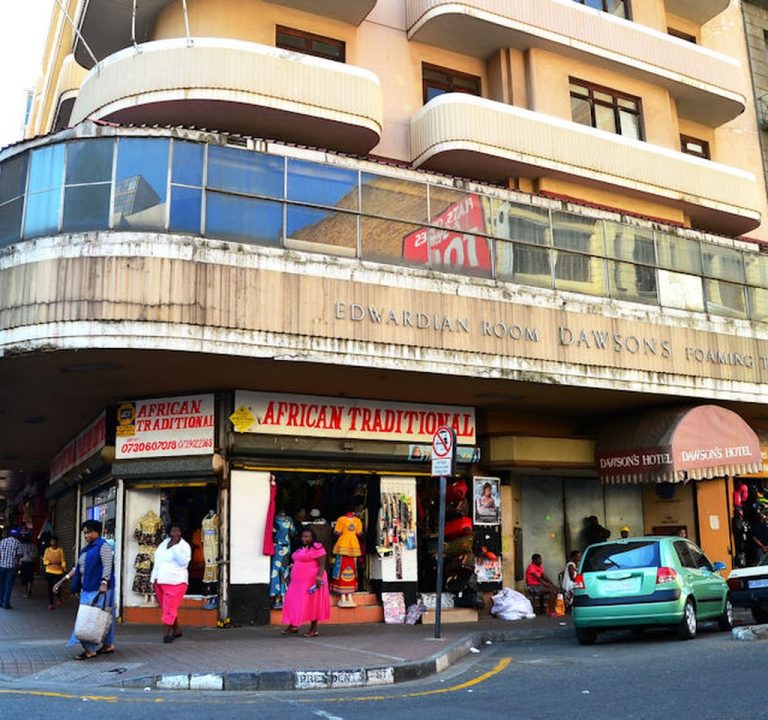
Johannesburg: accommodation, attractions and planning a stay in Gauteng
Johannesburg, in the heart of Gauteng, offers a dynamic mix of modern hotels, characterful guesthouses and convenient apartments that suit a range of budgets and styles. When planning a first stay, it helps to think in terms of neighbourhoods and accessibility as much as the property’s amenities. The city is well connected by a mix of local taxis, ride-hailing services and the Gautrain network, which makes day trips to nearby suburbs and the wider region straightforward.
Where to stay is often the starting point for a satisfying visit. The northern suburbs, including areas such as Rosebank and Sandton, tend to be geared towards business travellers and shoppers, with a high concentration of contemporary hotels, well-appointed serviced apartments and secure complexes. For a blend of culture and nightlife, Braamfontein and Maboneng on the inner-city fringe offer boutique stays and converted lofts, with easy access to galleries, creative spaces and diverse dining. Western Johannesburg offers a mix of family-friendly lodges and guesthouses, frequently set in leafy streets with easy access to parks and wider Gauteng routes. Soweto, with its fascinating history and vibrant markets, provides options ranging from guesthouses to small hotels, giving a more immersive, community-focused experience.
When booking, look for several practical amenities that can make a difference to your stay. A reliable Wi‑Fi connection is essential for planning days out and staying connected. Clear information about on-site parking or public transport access is handy, especially if you plan day trips or expect to rent a car. Check whether the property offers breakfast or a small kitchen area, which can be helpful for early starts or budget-conscious travellers. A well-equipped bathroom, in-room safe and a quiet room or reliable air conditioning for Johannesburg’s warm months are also important considerations. If you anticipate meetings or work, confirm a comfortable desk space and charging facilities. A comfortable, secure environment with good security and staff availability contributes to a restful stay after busy days of sightseeing.
Typical accommodation options range from hotels with on-site dining and concierge services to guesthouses that provide personalised hospitality in more intimate settings. Self-catering apartments and serviced suites are popular for longer stays or families, offering the convenience of home comforts in central locations. For those seeking a touch of local flavour, boutique lodges and converted colonial houses can offer character and a sense of place while remaining well connected to city sights. When researching, read recent guest reviews focusing on noise levels, housekeeping reliability, and staff responsiveness, as these factors often influence the overall experience in a bustling urban environment.
Transport and getting around are straightforward but worth planning in advance. Within higher-traffic centres, Uber and other ride-hailing services are commonly used and widely available. The Gautrain, South Africa’s high-speed commuter rail, links Johannesburg with Johannesburg Park Station and Pretoria in comfortable, predictable journeys, and is convenient for up-country day trips as well as airport connections. If you plan to explore beyond the city centre, consider a property with parking or convenient access to major roads and public transport corridors. For shorter hops within the city, a central location can save time and reduce the stress of navigating busy streets and limited parking.
Best time to visit Johannesburg varies with the calendar. The city experiences warm summers and mild winters. If you enjoy outdoor markets and parks, the late spring and autumn periods offer pleasant weather for strolling and exploring outdoor spaces. Summer can bring thundershowers, so an itinerary flexible enough to adapt to changing conditions is wise. If you are keen on cultural events, check whether your stay coincides with local concerts, exhibitions or community festivals, which are common across the year and provide a sense of the city’s creative energy.
Attractions in and around Johannesburg suit a range of interests. Within the city, you can expect museums detailing South Africa’s history and society to sit alongside modern art spaces and parks. Cultural precincts and historic sites can provide thoughtful day experiences, while family-friendly venues may offer interactive tours and exhibitions. Beyond the core city, nature lovers may enjoy nearby reserves and scenic viewpoints, and day trips to surrounding Gauteng towns can complement a city stay with a broader sense of the region. In terms of dining, Johannesburg presents a spectrum of options from casual eateries to refined dining environments, with menus that reflect a mix of local ingredients and global influences. When planning meals, a mix of quick options and sit-down meals can support long days of sightseeing and shopping, giving you time to sample the city’s flavours without feeling rushed.
Useful tips to help you optimise your stay:
- Book accommodation with flexible cancellation policies when plans may change.
- Choose a neighbourhood that aligns with your daily plans, whether it’s shopping, culture, nightlife or family-friendly activities.
- Confirm accessibility features if required, such as lift access and accessible rooms.
- Estimate travel times between your base and major sights to avoid long commutes during peak periods.
- Pack a light layer for unpredictable weather and plan indoor options for rainy days.
Finally, make the most of your visit by pairing comfortable accommodation with well-timed explorations. Use the city’s varied neighbourhoods as a canvas: stay in a central area to access museums and galleries, then venture to more residential districts for markets, street art and authentic dining experiences. With thoughtful planning, Johannesburg can offer a balanced itinerary that blends relaxation, cultural discovery and practical convenience for a memorable Gauteng stay.