Johannesburg: Where to stay and how to make the most of it
Johannesburg, or Jo’burg as locals often say, is a sprawling tapestry of neighbourhoods that each offer a distinct character for visitors. When planning a stay in Gauteng’s vibrant hub, it helps to think about what you want from your visit—cultural immersion, business convenience, nightlife, or a gateway to regional sights. Accommodation options range from stylish boutique hotels and restored historic buildings to modern apartment stays and friendly guesthouses. The key is to pick a base that minimises travel time to the experiences you care about while giving you access to easy transport links for longer day trips.
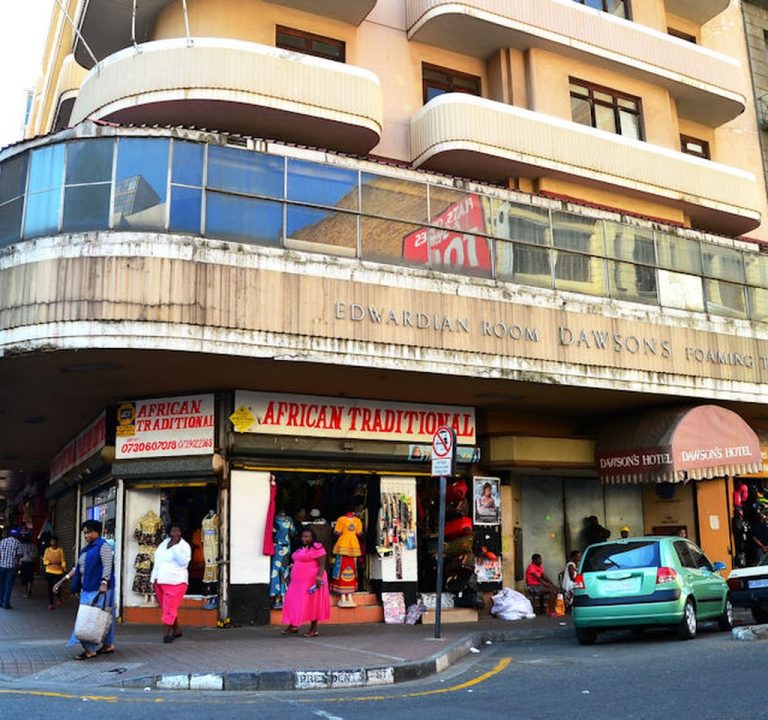
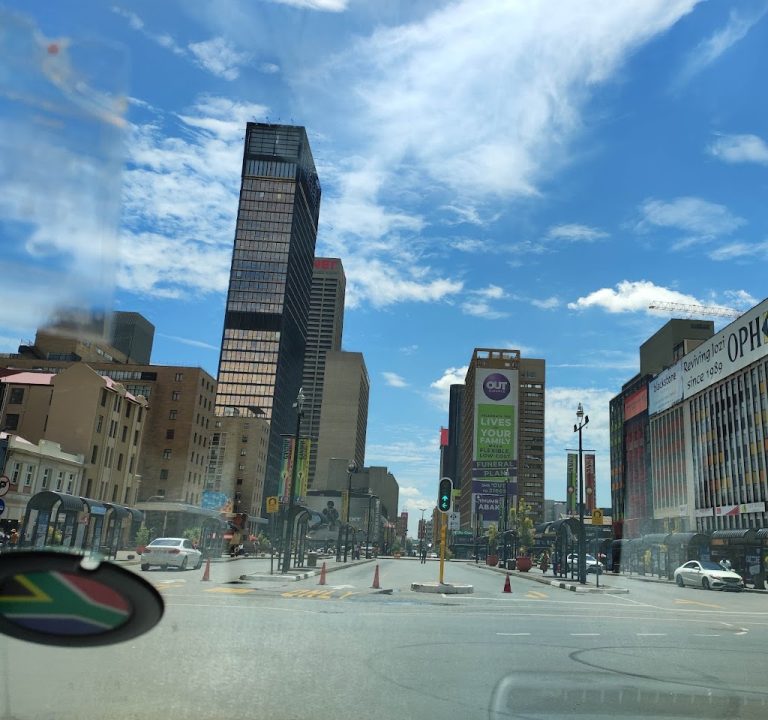
Popular areas for visitors include the northern suburbs and central districts. Rosebank and Sandton are well regarded for shopping, restaurants, and easy road and rail connections. Maboneng and Braamfontein offer a creative, walkable scene with galleries, cafés, and vibrant street life, while the historic heart around the Newtown area can be convenient for theatre and museums. For a quieter stay, neighbourhoods on the periphery of the city centre or near a major transport corridor can provide a calmer atmosphere with straightforward access to the city’s attractions.
When booking, consider the following practical points. First, assess proximity to transport: a guesthouse or hotel with easy access to a Gautrain station or regular city commuter services can save time and reduce the need for rental cars. If you plan to venture beyond the city, choose accommodation with knowledge of local transfers or a reliable shuttle option. Second, check the building type and guest experience: some restored heritage properties offer characterful rooms and communal spaces, while contemporary hotels may provide predictable services, on-site dining, and 24-hour reception. Third, review amenities that matter to you—air conditioning for Jo’burg’s warmer months, reliable Wi‑Fi for work or streaming, in-room tea and coffee facilities, secure parking, and excellent security. If you travel with family or a group, look out for family-friendly rooms, suites, or apartment-style layouts with kitchenettes. Finally, read recent guest reviews to gauge consistency in service, cleanliness, and noise levels, particularly in busy urban zones.
Typical accommodation types you’ll encounter include:
- Boutique hotels housed in restored period buildings or contemporary properties with personalised service and niche design themes.
- Guesthouses and B&Bs offering intimate experiences, generous breakfasts, and the chance to connect with other travellers.
- Apartment-style hotels or serviced apartments with kitchenette facilities, suited to longer stays or families.
- Mid-range to upscale hotels that balance comfort, facilities, and location, often with on-site dining and concierge services.
- Well-appointed lodges or boutique properties on the city’s outskirts or within leafy suburbs, sometimes offering easy access to nature reserves or golf courses.
Amenities commonly available in Jo’burg properties include reliable Wi‑Fi, 24-hour reception or concierge, on-site dining options, pools or rooftop lounges, fitness facilities, and secure parking. Many properties also offer curated experiences or local insights—elevating a stay from merely sleeping to discovering. If you’re visiting for business, look for meeting rooms or business services; for leisure, consider properties with social spaces, city views, and proximity to dining districts.
Food and drink are a big part of the Johannesburg experience. Within easy reach of most central stays are a mix of casual eateries, trendy cafés, and fine dining. When planning evenings, you’ll find districts with lively street-life and a range of cuisines, from traditional South African fare to contemporary international menus. Rather than focusing on exact names, a practical approach is to seek places that offer a mix of established favourites and new openings, and to ask your host or concierge for current recommendations and reservations. Many areas also host markets and street-food pop-ups on weekends, offering a chance to sample local crafts and flavours in a relaxed setting.
Seasonality and timing can influence your plans. Johannesburg has a mild winter (June to August) with cooler evenings, and a warm to hot summer (November to February) with daily thundershowers possible in the late afternoon. If you want to pair a city stay with outdoor activities or day trips, consider shoulder seasons when weather is comfortable and the city is less crowded. The city’s attractions—from museums and historic sites to parks and lookout points—tend to be accessible year-round, but it’s wise to book popular experiences or tours in advance during peak travel periods and school holidays.
Practical tips to make the most of a stay in Johannesburg:
- Plan your transport ahead of time; pre-book airport transfers or use reputable ride-hailing services and ensure you have a clear plan for day trips.
- Choose a central base aligned with your itinerary to reduce time in transit. Consider seat-of-the-pants exploration of some districts on foot, while using safer, well-lit routes after dark.
- Pack a light sweater or jacket for cooler evenings and air-conditioned spaces, and stay hydrated when exploring high-traffic areas.
- Respect local customs and be mindful of personal safety in busy zones; ask hosts about areas to avoid after dark and the best times to visit particular districts.
- Use official or well-established tourism resources for planning ideas, maps, and up-to-date information on events and openings. A trusted website or local visitor centre can be a valuable planning companion.
In summary, Johannesburg offers a diverse range of accommodation to suit different styles and budgets, with a city-forward outlook that blends culture, cuisine, and convenient transport links. By choosing a well-situated base and pairing it with flexible planning, you can enjoy both the energetic heart of the city and the surrounding Gauteng region, making the most of your stay in this dynamic South African destination.