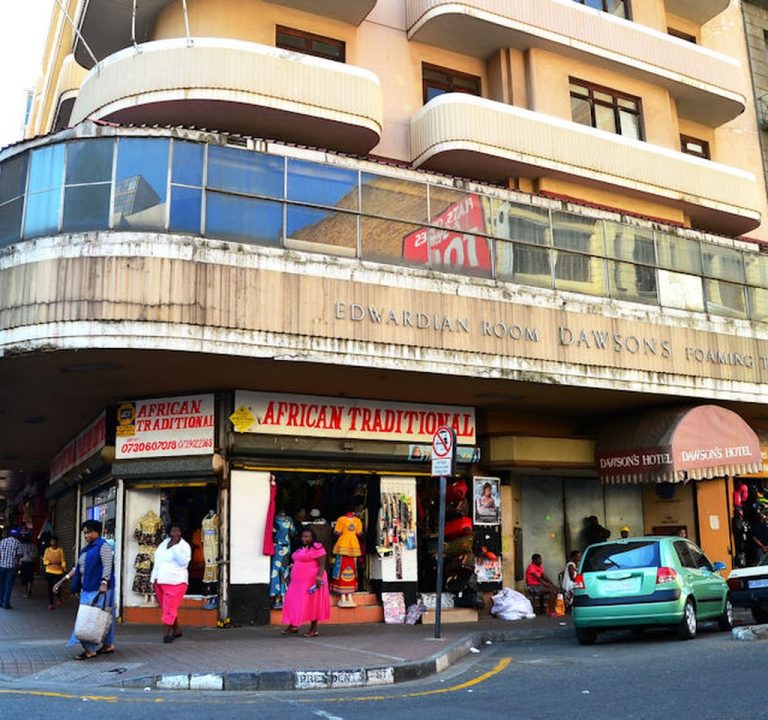
Johannesburg: Accommodations and Experiences for a Memorable Stay
Johannesburg, or Jo’burg as many locals call it, is a dynamic hub of culture, history and modern energy. An effective stay blends comfortable accommodation with easy access to a range of attractions, neighbourhoods and dining experiences. Whether you prefer a boutique guesthouse in a leafy suburb, a stylish hotel in a bustling district, or a serviced apartment near world‑class transport links, planning with the right priorities will maximise your time in Gauteng’s largest city.
When choosing where to stay, start by considering the area that best matches your interests and pace. If you want a cosmopolitan atmosphere with ample dining and nightlife options, central districts with good transport links can be convenient. For leafy serenity and a more residential feel, suburbs with gated streets and garden settings offer a different kind of comfort. If you are visiting for business or long stays, serviced apartments and aparthotels provide the convenience of a home‑from‑home setup with on‑site amenities. Regardless of the type of accommodation, many properties in Johannesburg now offer secure parking, 24‑hour reception, reliable Wi‑Fi and complimentary breakfast, which can simplify daily planning.
Useful areas to consider include:
- Central urban hubs where access to museums, theatres and markets is straightforward, often with a selection of cafés and casual eateries nearby.
- Business and finance districts that pair modern hotels with efficient transport connections to airports and convention centres.
- Vibrant neighbourhoods known for street art, food markets and independent boutiques, typically with a mix of guesthouses, small hotels and apartment rentals.
- Residential suburbs offering a calmer stay with well‑reviewed guesthouses and boutique hotels, frequently set in charming gardens and quieter streets.
Transport is a practical consideration in Johannesburg. The city benefits from rail links between central areas, including services that connect to O. R. Tambo International Airport in neighbouring municipalities. Within the city, ride‑hailing apps, taxis and rental cars are widely used. If you plan day trips or longer itineraries, staying near major transport corridors can save time. Some visitors also note that ride‑hailing or private transfers are a convenient option after late dinners or evening events.
Typical hotel and guesthouse amenities you may encounter include free or continental breakfast, on‑site parking, Wi‑Fi, 24‑hour reception, room safes and in‑room coffee or tea making facilities. Some properties offer additional luxuries such as pools, fitness centres, business lounges or shuttle services to nearby hubs. When booking, check the specifics: whether breakfast is self‑serve or served, the hours for check‑in and check‑out, security provisions, and whether there are restrictions on late arrivals or access to common spaces. For family travellers or those on longer trips, consider whether the property offers family rooms, kitchen facilities, or flexible cancellation policies.
The best time to visit Johannesburg depends on what you want from your trip. The city experiences a temperate climate with warm summers and mild winters. The dry season tends to be more comfortable for outdoor sightseeing, while the warmer months are popular for strolling in parks and enjoying outdoor markets. If you are planning outdoor activities or exploring the surrounding areas, packing a light rain layer for occasional showers is sensible, regardless of the season. Bright, sunny mornings are common, so an itinerary that begins early can maximise your time at outdoor or open‑air attractions.
Accommodation planning also benefits from a rough framework of daily priorities. Start with a core plan: one or two must‑see attractions, a couple of neighbourhoods to explore, and one or two dining experiences you want to try. Build in a flexible afternoon for wandering through markets, galleries or street‑level art, which Johannesburg is well known for. Consider reserving a few slots for cultural or historic sites in the mornings when the city is lively and the lighting makes for better photographs. For evenings, a neighbourhood with a range of eateries and a safe, walkable environment can be a pleasant way to end the day.
Dining and casual entertaining are a key part of a Johannesburg stay. The city’s culinary scene spans traditional South African fare, modern fusion and international cuisines delivered in modern settings. In general terms, you will find everything from compact bistros serving seasonal dishes to larger eateries in trendy precincts offering vibrant atmospheres. If you enjoy markets, look for venues with street‑level stalls or afternoon and weekend markets where local producers and chefs showcase regional flavours.
Practical tips to help you plan a smoother trip:
- Read recent guest reviews focusing on cleanliness, security, and staff helpfulness, as these often reflect day‑to‑day reliability better than star ratings alone.
- Check accessibility of transport options from your chosen base to the places you intend to visit, especially if you have limited time or prefer fewer transfers.
- Ask about breakfast policies, parking arrangements and late checkout options if you have flight timings or business‑hour constraints.
- Balance your itinerary with a mix of indoor and outdoor activities to account for any weather changes.
In short, Johannesburg rewards travellers who blend comfortable, well‑located accommodation with a flexible schedule and an openness to the city’s dynamic cultural scene. A well‑chosen base near transit routes makes day trips, museum visits and evenings out more effortless, while a thoughtful mix of neighbourhood exploration, good food and stops at iconic landmarks will help you experience the depth and variety of Gauteng’s largest metropolis.