Discovering Cape Town: A Guide to Accommodation, Attractions and Local Experiences
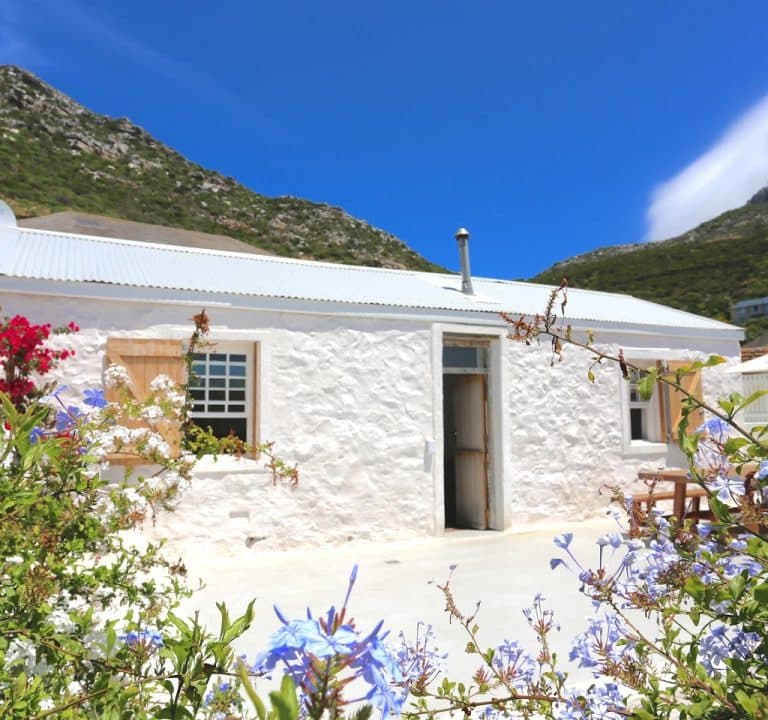
Cape Town sits at the confluence of natural beauty, cosmopolitan flair and a rich cultural tapestry. When planning a stay, the choice of neighbourhoods, how you move around, and what you prioritise for rest and dining can define the quality of your trip. A well-suited holiday rental, such as the Starfish Cottage, offers a comfortable base from which to explore the city and its surroundings. You can learn more about that property at its listing: Starfish Cottage on Airbnb.
Accommodation in Cape Town ranges from stylish apartments in the city bowl to coastal guesthouses with ocean views and self-catering options near the Atlantic Seaboard. For a balanced experience, many visitors opt for a central location with good access to public transport and a short taxi ride to beaches, markets, and iconic sights. When choosing where to stay, consider the following areas:
- The City Bowl and Central Districts: close to museums, theatres, fine dining and vibrant streets. Easy access to hop-on bus routes and rideshare options.
- Seaboard suburbs: elegance by the coastline, with dramatic scenery and a more relaxed pace, yet still within reach of main sights.
- Constantia and nearby valleys: green, tranquil, ideal for wine lovers and those seeking a quieter stay with easy access to hiking trails.
- Lands End to Bloubergstrand corridor: for direct views of Table Mountain from the shore and strong links to outdoor activities.
When booking a property, look for practical amenities that save time and enhance comfort. Key features include reliable wi‑fi, a well-equipped kitchen or kitchenette, a comfortable bed with quality bedding, adequate storage, and clear instructions for heating and hot water. A private outdoor space, such as a balcony or courtyard, is particularly appealing in Cape Town’s temperate climate. If you’re travelling with family or a group, confirm the number of bedrooms and any shared areas. For travellers who value flexibility, self-catering options combined with a guest‑friendly concierge service can be an excellent fit.
Transport is central to enjoying Cape Town without hassle. The city has a relatively compact core, but traffic and parking constraints in peak times mean planning transfer methods in advance can pay off. Options include reputable ride‑hailing apps, car hire for day trips, and metro routes that connect key districts. If you plan to visit the Cape Peninsula or the Cape Winelands, a guided tour or private driver can simplify logistics and provide local insights. When staying near the central city, you’ll often be within walking distance of markets, coffee houses and casual eateries, which makes mornings and evenings especially pleasant.
The best time to visit Cape Town depends on your priorities. The summer months (roughly November to February) are warm and lively, with long daylight hours, ideal for beaches and outdoor activities. Autumn and spring (March to May and September to November) offer milder weather, fewer crowds and excellent conditions for hiking and city exploring. Winter (June to August) tends to be cooler and wetter, yet it can be a good period for indoor experiences, museum visits and enjoying the dining scene without the peak-season bustle. Pack layers for changing conditions and plan outdoor plans around the city’s microclimates, particularly on the Atlantic coast where sea breezes can create a chill even on sunny days.
Beyond the accommodation, Cape Town offers varied experiences that do not require a strict itinerary. Iconic natural landmarks and viewpoints are accessible by scenic routes, and light conservation walks provide rewarding perspectives of the city’s geography. Museums and galleries offer cultural context, while markets and street food sanctuaries showcase diverse flavours and crafts. When planning meals, you’ll find a spectrum of dining options—from casual cafes with artisanal pastries to elegant restaurants focusing on seasonal produce. In general terms, it is sensible to book dinners for popular spots, particularly around peak travel times, and to consider lunch menus in quieter periods if you want to sample a wider range of dishes.
Practical tips to maximise your stay:
- Allocate time for both a city highlights tour and a day trip to the surrounding landscape, such as a secluded coastal route or a wine‑growing valley.
- Check the property listing for parking arrangements, neighbourhood safety notes, and late check‑in procedures if your flight arrives after hours.
- Bring a portable charger and adaptors for regional sockets; many rental properties provide adequate amenities, but it’s wise to be prepared.
- Respect local customs and environmental guidelines, particularly in nature reserves and protected viewpoints.
- Keep a digital copy of essential documents and travel confirmations, while also having a small local map or offline descargable resource for when connectivity is intermittent.
For those seeking a comfortable, well‑located base, Starfish Cottage represents a thoughtful option within the range of Cape Town’s holiday rentals. Its listing offers the flexibility of a home‑from‑home while placing guests within reach of the city’s most popular components of a visit. You can explore more about that property at the listing linked above.
Whether your aim is to mix beach days with museums, or slow mornings followed by restorative coastal walks, Cape Town rewards careful planning and a flexible mindset. With the right accommodation, a well‑chosen neighbourhood, and a practical approach to transport and dining, your stay can encompass the best of the city’s natural beauty, culture and flavour.