Exploring Cape Town: Accommodation, Attractions and Practical Tips for a Memorable Stay
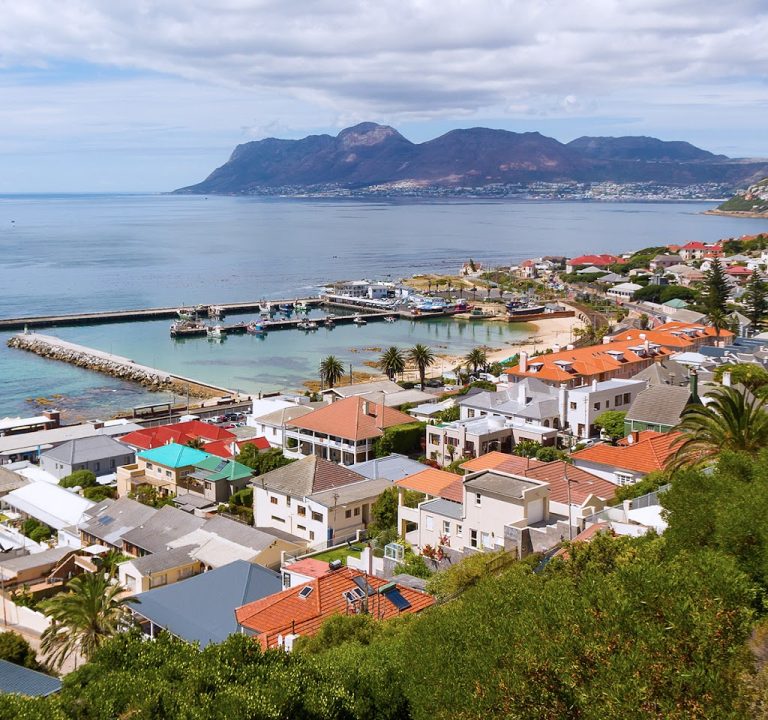
Cape Town in the Western Cape remains one of South Africa’s most versatile destinations, offering a mix of sunlit beaches, dramatic mountain scenery, historic districts and a vibrant culinary scene. When planning a stay, consider a mix of neighbourhoods that suit your style, pace and interests. Whether you prefer a tranquil guesthouse tucked into a leafy suburb, a stylish hotel along the coast, or a self-contained apartment overlooking the harbour, there are options to match different budgets and comfort levels.
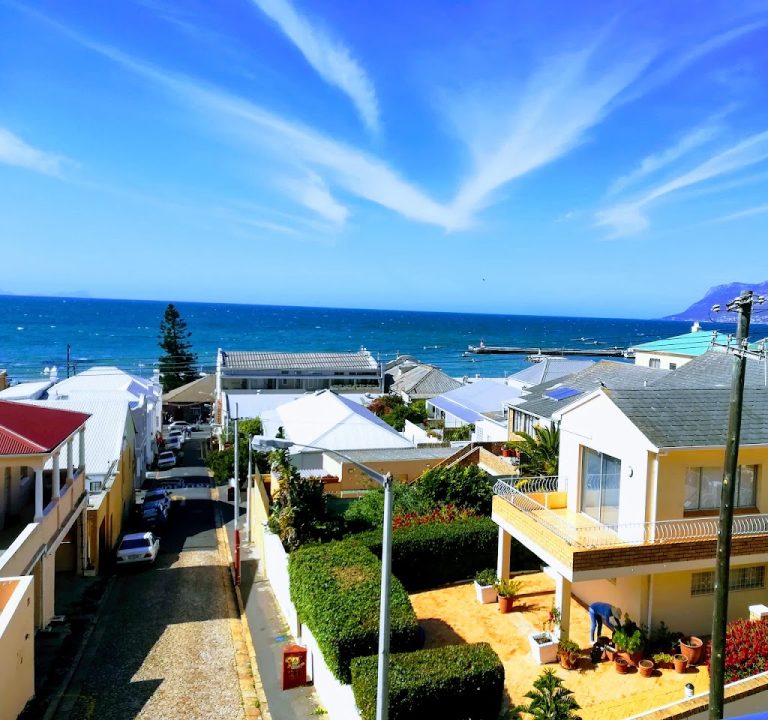
For places to stay, think about access to transport and the rhythm of your days. The Atlantic Seaboard and Camps Bay provide dramatic ocean views and a cosmopolitan atmosphere, handy for long walks on the prom and sunset moments by the water. The City Bowl offers convenient access to museums, markets and dining, with many boutique hotels and guesthouses nestled in historic streets. Constantia, set against a backdrop of wine estates and green hills, is ideal for those seeking quiet, leafy lanes and easy access to scenic hikes and vineyard stops. If you’re after a more authentic, residential feel, a guesthouse in the vibrant neighbourhoods of Green Point, Woodstock or Oranjezicht can provide a genuine Cape Town flavour while staying within easy reach of sights and transport hubs.
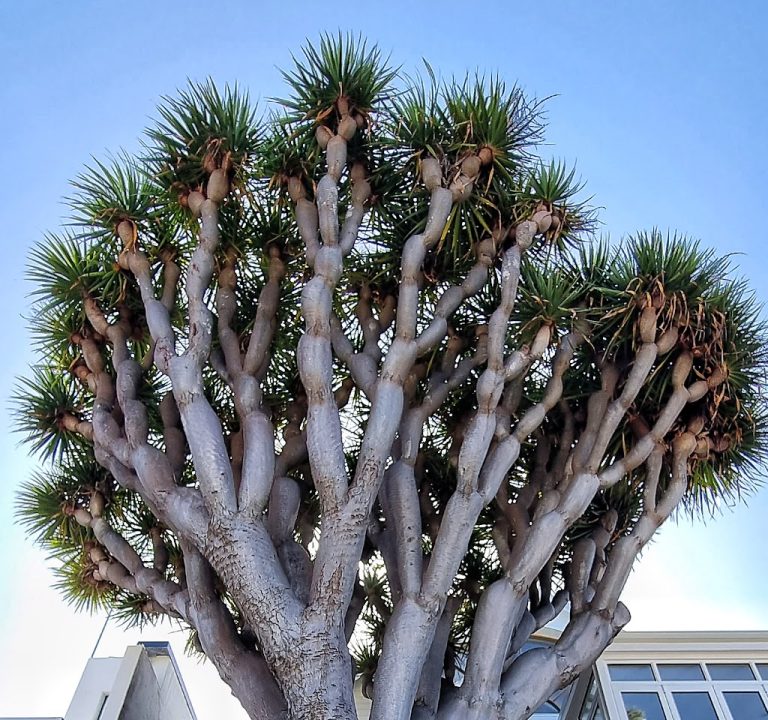
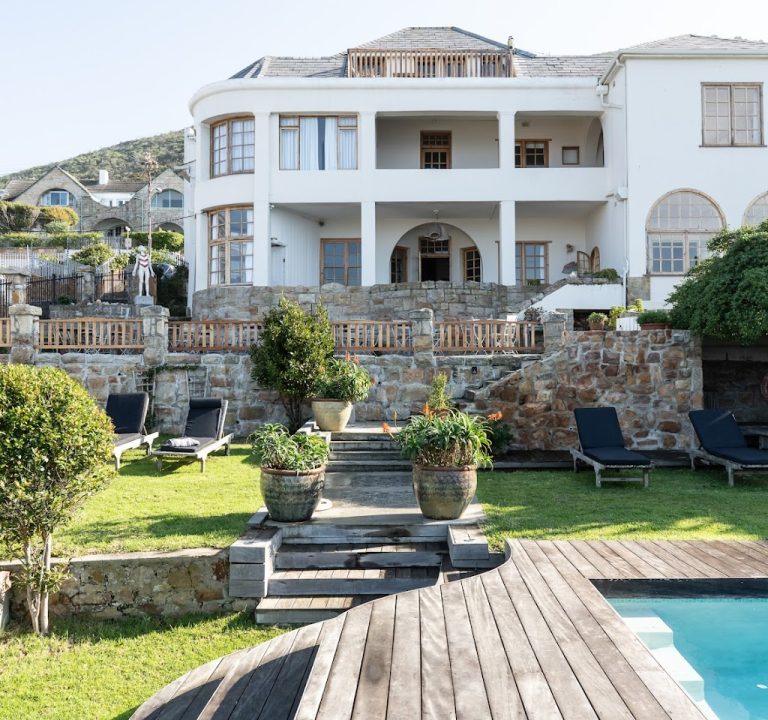
When choosing accommodation, look for essential comfort features and practical amenities. A good base often includes private en-suite bathrooms, reliable Wi‑Fi, secure parking or easy public transport access, air conditioning or heating for changing seasons, and a generous breakfast option—an understated but valuable perk for long days of sightseeing. Guesthouses and smaller hotels can offer personalised service, with hosts or managers ready to share local tips on routes, markets, and sunset viewpoints. If you plan to travel by car, check parking arrangements and access routes to ensure seamless arrival and departures. The Dragon Tree Guesthouse, as an example of a guesthouse option, may provide a cosy, home-style stay with personal touches and a central yet quiet location.
Transport in Cape Town is diverse. Metrorail and MyCiTi buses cover many routes, while car hire offers maximum freedom to explore the peninsula at your own pace. If you intend to visit the Cape Peninsula, including iconic viewpoints and nature reserves, a car is often the most practical choice. For shorter, urban stays, a location near the Waterfront, Grand Parade, or a central transport hub can minimise daily transit time. Ride-hailing services and reliable taxi options are common and typically straightforward to arrange, though it is wise to plan for peak-hour traffic and coastal wind gusts that can influence travel times.
The best time to visit Cape Town depends on what you want to do. Summer (December to February) is sunny and lively, with great sea conditions for beach days and outdoor markets, though it can be busier and pricier. Shoulder seasons, from late spring to early autumn (October to November and March to April), offer pleasant weather, blooming gardens and fewer crowds. Winter (June to August) brings cooler days and discerning travellers may enjoy museum days, excellent dining experiences, and the famous Cape Town twilight skies. Always check local seasonal conditions, especially for outdoor activities such as hiking, sailing, or coastal drives, because weather can shift quickly along the coastline.
When plotting an itinerary, blend outdoor adventures with cultural and culinary experiences. A few broad categories to consider include:
- Iconic natural landscapes: easy climbs or scenic viewpoints that showcase Table Mountain, the coastline, and rolling hills surrounding the city basin.
- Historical and cultural sites: museums, galleries, and districts that reflect the region’s diverse stories and architecture.
- Food and drink: markets, casual eateries and higher-end restaurants that highlight fresh seafood, regional produce and innovative dining.
- Harbour and waterfront experiences: a stroll along the harbour, markets, and boat or harbour-based activities that offer maritime perspectives on the city.
In terms of dining, Cape Town’s restaurants range from casual bistros to refined establishments offering seasonal menus. For most visitors, a mix of casual lunches and a couple of standout dinners provides balance. If you enjoy markets, plan a morning visit to a local market for prepared bites and artisan goods, followed by a waterfront stroll or a winery stop in nearby towns to experience the Cape’s renowned viticulture region. When selecting where to dine, look for places with relaxed service, clear dietary options if needed, and a menu that reflects fresh local ingredients and seasonal produce.
Practical tips for a smooth stay include booking well in advance for high season and major events, negotiating breakfast inclusions or compact meal plans, and confirming accessibility needs if applicable. Remember to pack sun protection, a light layer for coastal breezes, a sturdy pair of walking shoes for hills and paved paths, and a reusable water bottle for day trips. Respect local etiquette and safety guidance, particularly in busy nightlife zones and crowded markets. A key part of enjoying Cape Town is having a flexible plan that allows for spontaneous discoveries—whether a friendly chat with a host, a hidden cafe, or a sunset viewpoint that becomes a cherished memory.
Finally, consider pairing your stay with a couple of guided or self-guided experiences to enrich your visit. Whether you choose a scenic drive along the peninsula, a winelands excursion, or a cultural walking tour through neighbourhoods with architectural character, these activities can complement your accommodation and reveal the city’s layered charm. Cape Town offers a broad spectrum of options for every type of traveller, from restful guesthouses to lively hotels and everything in between, making it a destination that invites you to return and explore again.