Accommodation and Experiences in Cape Town, Western Cape
Cape Town presents a rich tapestry of places to stay, from chic boutique hotels and self-catering apartments to family-friendly guesthouses and seaside lodges. When planning a stay, it helps to think about what you want to get from the city: mountain scenery, coastal convenience, lively neighbourhoods, or a peaceful retreat a little way from the centre. The best choice often combines comfort with a sense of locality, so you can step out and feel part of the energy and diversity of the region.
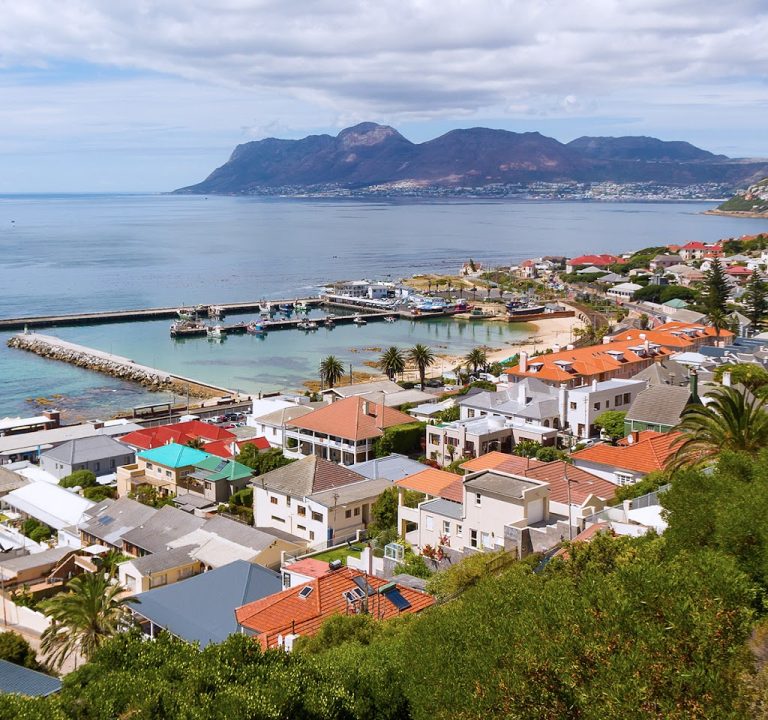
Key areas to consider include the Atlantic Seaboard for dramatic ocean views and easy access to beaches, the city bowl for a central hub of dining and culture, and the Southern Suburbs or the Constantia valley for verdant scenery, wine and tranquillity. If a more laid‑back vibe appeals, places in Kalk Bay, Muizenberg or Hout Bay offer village atmospheres with harbour and sea access. When selecting an accommodation, look for options that match your planned activities and transport needs. If you plan to rely on public transport or ride‑hailing, a central or well‑connected location can save time; for coastal walks, a cliff‑top or harbour view can be particularly rewarding.
Typical amenities that make a stay comfortable include reliable heating or cooling, good natural light, guest‑friendly workspace if you combine travel with work, and laundry facilities for longer breaks. Kitchens or kitchenettes can be a practical perk for families or groups, while parking availability is worth noting if you are driving the scenic routes along the coast. Pets are welcome in some properties, though this varies by season and area, so it is best to confirm in advance. Look for flexible cancellation policies, clear house rules, and straightforward check‑in procedures to reduce last‑minute stress.
Transport matters in Cape Town are well covered by bus routes, licensed tours, and ride‑sharing apps. A car provides the most freedom for exploring the coast and the Cape Peninsula, including the iconicChapman’s Peak Drive, fish‑fry lanes near harbour towns, and wine routes in Constantia. If you prefer not to drive, many areas offer reliable public transport connections, and some properties arrange airport transfers or day trips. Proximity to a train station or major bus stop can be a practical advantage for exploring the wider region without relying solely on private transport.
The best time to visit Cape Town depends on your priorities. The summer months (roughly December to February) deliver warm, dry weather, perfect for beaches and outdoor activities, though peak season prices can be higher. Autumn (March to May) brings cooler days and fewer crowds, with pleasant conditions for hiking and sightseeing. Winter (June to August) remains mild by many standards, though it can be wetter and breezier, making it ideal for museums, galleries, and coastal walks on sheltered paths. Spring (September and October) offers a balance of mild temperatures and the possibility of wildflowers in the surrounding regions. Pack layers, sun protection, and a light rain jacket to cover shifts in weather all year round.
When staying in Cape Town, consider a mix of experiences to make the most of your time. A stay near the V&A Waterfront and historic city centre provides access to museums, markets, and a range of restaurants, while a base near the Atlantic Seaboard or Camps Bay offers dramatic sea views and sunset walks. The southern suburbs, Constantia and nearby wine farms, or Kalk Bay with its harbour and art scene, provide quieter days with tasting rooms, bakeries, and coastal strolls. If you are planning to visit ambitious sights such as Table Mountain or Robben Island, check the timings and accessibility in advance, as some activities require pre booking or specific weather conditions.
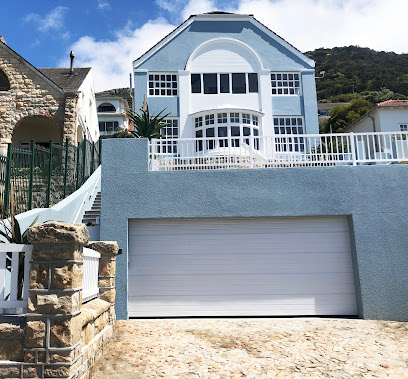
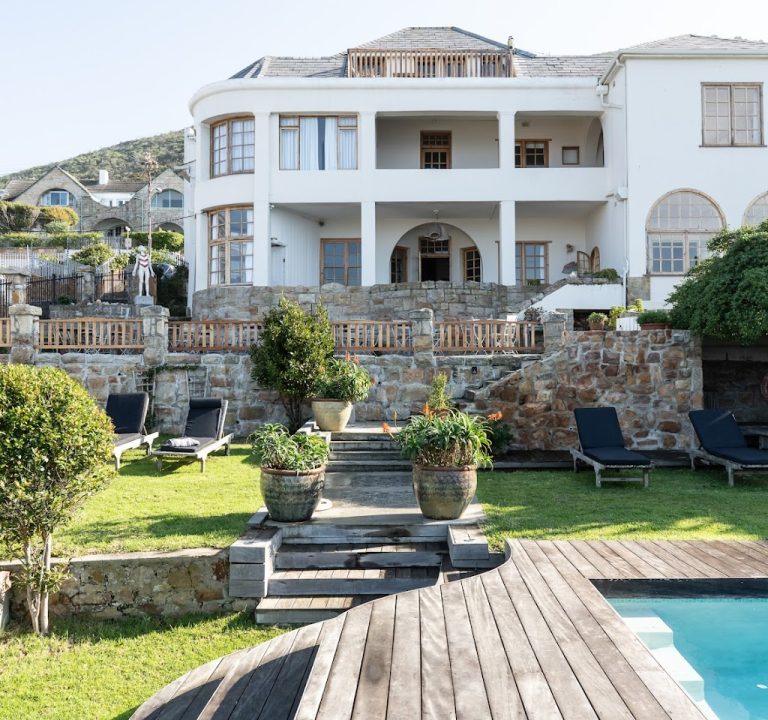
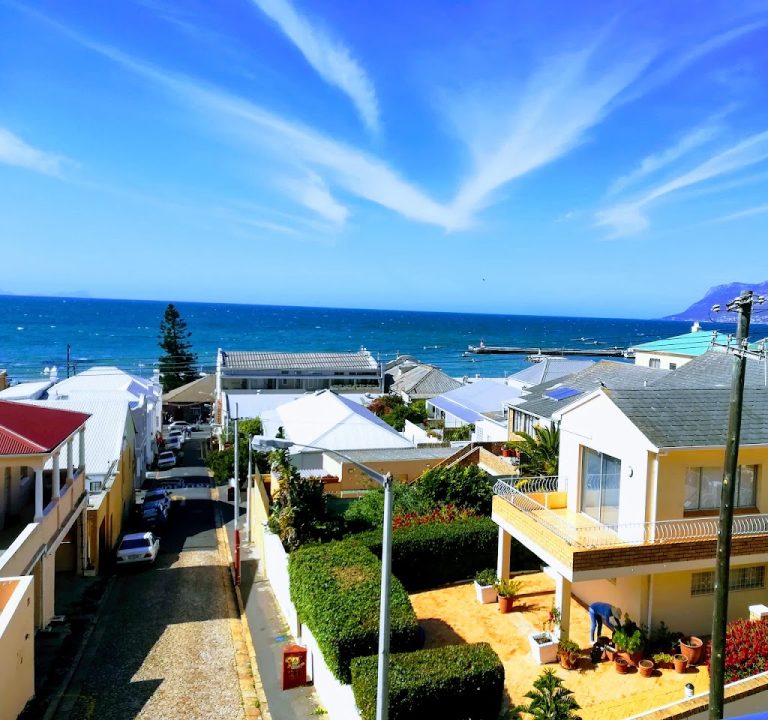
For a sample of local living, consider a stay at Kalk Bay Art House, a holiday home that reflects the character of the area. This neighbourhood combines traditional harbour charm with easy access to the sea, art studios, and small cafés. While specifics may vary by listing, such properties typically offer a cosy, residence‑style feel and a stepping‑stone into the creative and maritime culture of Kalk Bay, making it a gentle base for exploring the south‑western corner of the city’s peninsula.
What to look for when booking and planning:
- Clear photographs and honest descriptions of the rooms, views, and shared spaces
- Transparent pricing, including any extra charges for cleaning, parking, or utilities
- Proximity to your planned activities and the most convenient transport options
- Well‑reviewed hosts or property managers who respond promptly to queries
- Safety features such as secure access, good lighting, and a reputable neighbourhood
Practical tips for a smooth stay include confirming check‑in times, asking about nearby supermarkets or cafés for convenience, and planning a flexible itinerary that lets you enjoy both the city and the outdoors. It is worth purchasing a local map or a transit app to navigate the city’s routes efficiently. As you map your days, allow for a mix of restful mornings, scenic drives along the coast, and evenings exploring diverse dining options with viewpoints over the sea or the mountains.