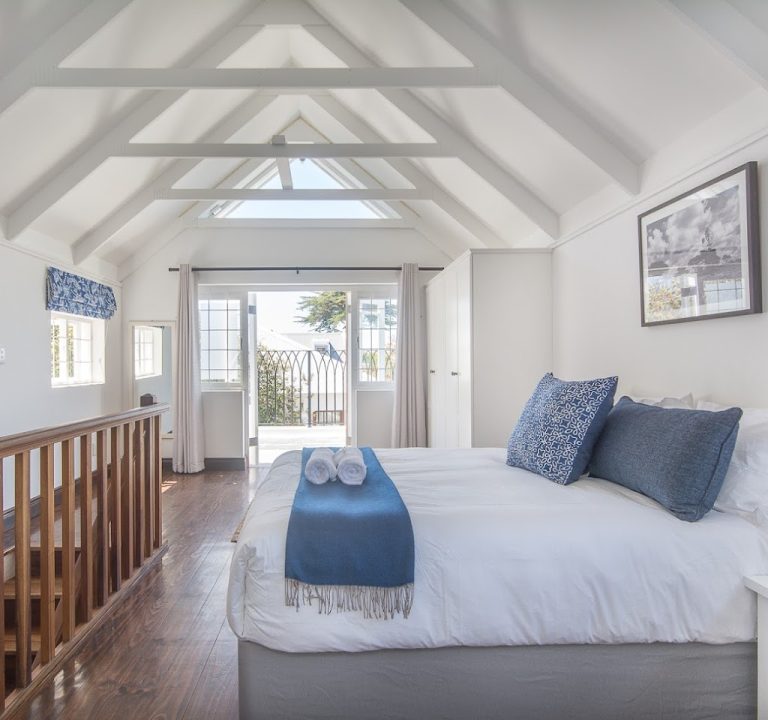
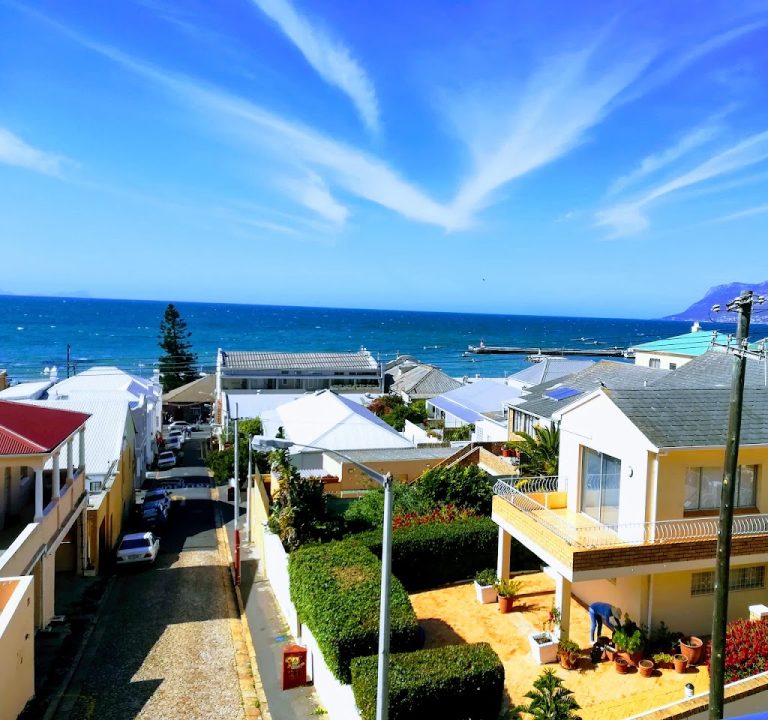
Rosmead apartment, 1 Lever street is a Self-catering accommodation establishment in Cape Town, Western Cape, South Africa
About Rosmead Apartment, 1 Lever Street, Cape Town
Rosmead Apartment, located at 1 Lever Street in Cape Town, sits within the Western Cape’s vibrant urban landscape, offering a convenient base for visitors exploring the city and its surrounds. The listing referenced here appears to be currently inaccessible, returning a page not found message. While the exact details of this particular unit cannot be confirmed from the page at hand, the setting suggests a modern, city-centric stay designed to appeal to travellers seeking comfort and easy access to Cape Town’s key highlights.
Where a stay here typically shines is in thoughtful urban living—combining practical comforts with location advantages. Guests expect a compact, well-appointed living space that can serve as a comfortable home base after days spent exploring. From a guest’s perspective, this often means clean, stylish interiors, reliable Wi‑Fi, and clear provisions for a productive or relaxed stay, depending on individual needs.
In a city renowned for its mix of culture, nature and cuisine, Rosmead Apartment would ideally position guests to enjoy both indoor convenience and outdoor adventures. Proximity to central sights, markets, cafés and transport links can transform a stay into a seamless Cape Town experience, with easy choices for meals, strolls along palm-lined streets, and short hops to nearby attractions.
The accommodation style, when available to book, tends to align with the preferences of modern travellers: a well-organised space with a focus on comfort, practical amenities, and a straightforward check-in process. While specifics like bed configuration, on-site facilities, and house rules vary by listing, the overarching expectation is for a stay that makes efficient use of space without compromising homeliness.
For guests seeking a travel-friendly experience, the potential advantages of a centrally located apartment in Cape Town include the ability to walk to nearby eateries, shops and cultural venues, paired with convenient access to public transport or ridesharing options for longer excursions. An urban retreat such as this can be particularly appealing to couples, solo travellers, and digital nomads who appreciate a balance of privacy and proximity to the city’s energy.
When planning a stay, travellers are encouraged to review current listing details directly on the host’s page, including any provided amenities, house rules, cancellation policies, and the exact location within Cape Town. If a page returns a 404 or similar error, it is prudent to explore alternative nearby listings or contact the host via the platform for the most accurate and up-to-date information at the time of booking.
Nearby highlights in Cape Town generally include a spectrum of experiences—historic neighbourhoods, culinary scenes, markets, and access to mountains, beaches and harbour vistas. Guests can tailor itineraries to include iconic spots such as V&A Waterfront, Table Mountain viewpoints, or colourfully authentic local districts, depending on interests and energy levels. It is worth noting that Cape Town’s appeal lies in its neighbourhood character as much as its landmarks, with many areas offering distinct dining, shopping and cultural atmospheres within short distances of central addresses.
Booking and travel tips for stays in central Cape Town include: checking the listing’s cancellation policy and what is included in the price (for example, basic kitchen essentials, linens, and cleaning). It is useful to confirm check-in times and access arrangements, as well as any security or parking provisions. For international travellers, planning travel from Cape Town International Airport and understanding local transport options can help streamline arrival and daily excursions.
For those seeking further inspiration, the official Airbnb help resources offer guidance on booking etiquette, safety, and travel readiness. While the Rosmead Apartment page referenced here may not be accessible at the moment, the surrounding area of Cape Town continues to attract visitors with its dynamic mix of urban life and scenic escapes, easily supporting a well-rounded stay when the right listing is found.
- Website visits for bookings and updates: see the host’s listing page or the main Airbnb platform for the most current details.
- Consider nearby neighbourhoods and transport links to maximise convenience and access to attractions.
- Review cancellation policies and included amenities before confirming a stay.
Cape Town
Western Cape
7975
South Africa


Cape Town: Where to stay, what to see, and how to plan a great visit
Cape Town sits beneath the iconic Table Mountain and along a sparkling Atlantic coastline, offering a mix of ocean-front stays, historic neighbourhoods, and modern self‑catering options. When planning a stay, consider the areas that suit your priorities—easier access to city sights, a beach‑front vibe, or a quieter neighbourhood with boutique stays. Self‑catering properties, such as well‑located apartments, can provide convenient basing points for exploring the region while giving you flexibility for home‑cooked meals after long days of sightseeing.
Key neighbourhoods to consider include the City Bowl and central harbour area for quick access to museums, markets, and the V&A Waterfront, and the Atlantic Seaboard for dramatic coastal views and beach strolls. Family‑friendly suburbs and colourful historic districts offer a calmer pace, with close proximity to scenic drives, scenic viewpoints, and popular hiking routes. When selecting a self‑catering place, look for good transport links, on‑site or nearby parking, reliable Wi‑Fi, a well‑equipped kitchen, and spaces that suit your group size and dining plans. For example, a well‑placed apartment can serve as a comfortable home base with easy access to both urban attractions and outdoor adventures.
Typical amenities that travellers value include secure access, reliable heating or air‑conditioning, a well‑equipped kitchen, laundry facilities, and comfortable living areas. Many options will offer towels and linens, basic household supplies, and information from hosts about local markets, bakeries, and recommended routes. If you’re staying in a self‑catering unit, it’s worth checking whether there is a kettle or coffee maker for a quick morning pick‑me‑up before venturing out to a day’s itinerary.
Transport is a practical consideration in Cape Town. While Uber and other ride‑hailing services operate, the MyCiTi bus network and some metro services can be convenient for reaching central sights and coastal beaches. If you’re staying near the Atlantic coast, you’ll likely prioritise parking options and easy access to the coastal roads that lead to popular viewpoints and coastal walks. For longer trips, plan ahead for ferry routes, hired car days for coastal drives, and the possibility of scenic stops along the way to places such as Cape Point or Kirstenbosch Botanical Garden.
The best time to visit Cape Town is during late spring to early autumn in the Southern Hemisphere (roughly September to April). These months often offer milder weather, longer daylight hours, and a vibrant outdoor scene. If your plans include hiking Table Mountain, reserve a clear weather day and consider a morning visit to avoid peak crowds. Outdoor enthusiasts can combine a Table Mountain excursion with a visit to Robben Island, the Cape Winelands, and the nearby Cape Point Reserve for a rounded experience of the region’s natural beauty and heritage.
When planning attractions and dining, think about balance. A typical itinerary might pair a morning ascent or cable‑car ride to Table Mountain with an afternoon stroll through historic districts, followed by a harbourfront walk or a market visit. Cape Town is known for its diverse cuisine, from casual cafés to fine dining establishments, with many venues highlighting local produce and flavours. While exact prices and awards can fluctuate, it is worth reserving tables for popular spots, especially during peak travel seasons.
For accommodation in Cape Town, you might select a well‑located apartment that combines comfort with practicality. A self‑catering option could be a compact city‑centre unit or a beach‑side flat, depending on your priorities. If you are exploring a specific listing, such as a Rosmead apartment in a central setting, you can review guest reviews and page details to gauge how well it meets your needs, including its proximity to sights, kitchen facilities, and transport options. For further inspiration, you can explore example stays and hosts that emphasise a comfortable home environment with up‑to‑date amenities and local guidance. Rosmead apartment, 1 Lever Street offers a case study of how a self‑catering base can support a varied Cape Town itinerary.
To help you plan, here is a concise planning checklist:
- Determine your priorities: city sights, beaches, or a mix of both.
- Choose a base with strong transport links and parking if driving.
- Check kitchen equipment and laundry facilities for longer stays.
- Arrange essential activities in advance (Table Mountain, Robben Island ferry) where possible.
- Book accommodation with flexible cancellation where travel plans may change.
Whether you are drawn to bustling streets laden with markets and museums or tranquil coves washed by Atlantic breezes, Cape Town offers a welcoming base for exploration. With careful selection of neighbourhood, thoughtful packing, and a plan that blends iconic experiences with relaxed downtime, your stay can be both memorable and comfortably paced.
Sorry, no records were found. Please adjust your search criteria and try again.
Sorry, unable to load the Maps API.
Why Claim Your Listing?
Claiming your listing on the B&B Finder directory website is a valuable opportunity for business owners. Here are five reasons why you should consider claiming your listings:
Control Over Business Information: By claiming their listing, business owners can ensure that all the information presented is accurate and up-to-date. This includes details such as contact information, address, pricing, and available services or amenities. Accurate information helps prevent customer confusion and improves overall satisfaction.
Enhance the Listing: Once a listing is claimed, owners can enhance it by adding more comprehensive information and rich media, like high-quality photos and videos. These additions can make the listing more attractive and engaging to potential customers, thereby increasing the likelihood of bookings.
Marketing Opportunities: Claiming a listing can also open up additional marketing opportunities. Owners may be able to participate in promotional campaigns, special offers, and other marketing activities organized by the directory. This can increase visibility and attract more customers to the business.