Charming Rosmead Cottage: A guide to accommodation and experiences in Cape Town
Choosing a place to stay in Cape Town sets the tone for a memorable visit to this vibrant corner of the Western Cape. Charms range from cosy self-catering cottages to boutique guesthouses and modern apartments, each offering a different vantage point on the Mother City. For a self-catering option like Charming Rosmead Cottage, guests often appreciate the freedom to plan day trips, cook their own meals, and enjoy a peaceful base after busy days exploring the city’s many neighbourhoods and landmarks.
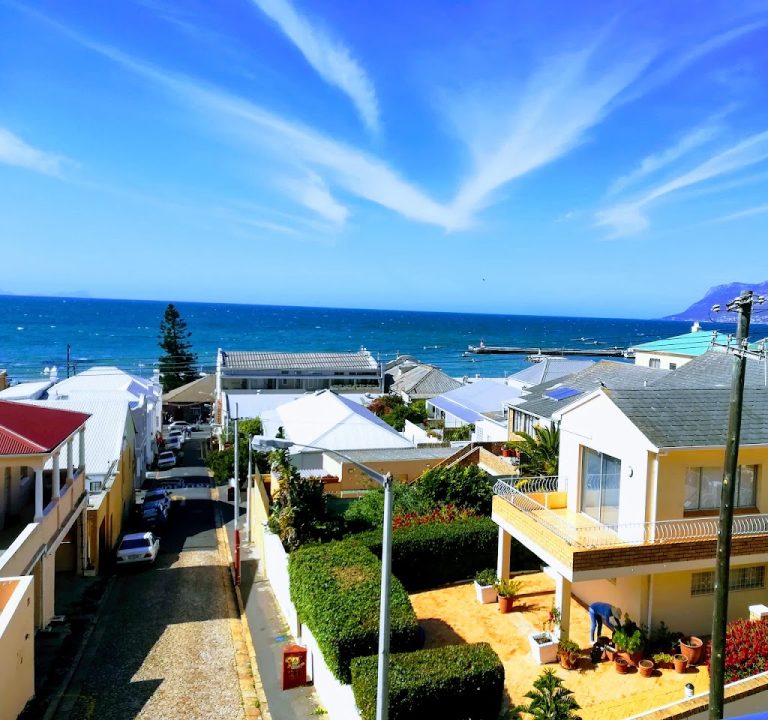
When planning a stay, start by considering the areas that best suit your itinerary and pace. The Atlantic Seaboard imparts dramatic coastal scenery and close proximity to beaches and night-time amenities, while the city bowl concentrates cultural sights, bars, and eateries within easy walking distance. The Southern Suburbs offer easy access to wine routes and inland nature trails, and the Cape Peninsula route invites scenic drives along the coast with some iconic viewpoints. If you want a quiet residential feel with good transport links, look for neighbourhoods that combine safety, parking or easy parking access, and a short ride to central Cape Town.
Booking a self-catering property means weighing these practical factors:
- Space and layout: Check for separate bedrooms, a well-equipped kitchen, and reliable heating or cooling for year‑round comfort.
- Privacy and security: Look for secure entry, good street lighting, and clear information about access to the property from your mode of arrival.
- Cleaning and maintenance: A flexible cleaning schedule, fresh linens, and well‑functioning appliances help avoid last‑minute hassles.
- Amenities that matter: Wi‑Fi, a dedicated living area, washer/dryer, and outdoor spaces (balconies or courtyards) are common makings of a comfortable stay.
- Access to transport: Proximity to MyCiTi routes, reliable taxi services, and parking arrangements can save time and energy when exploring.
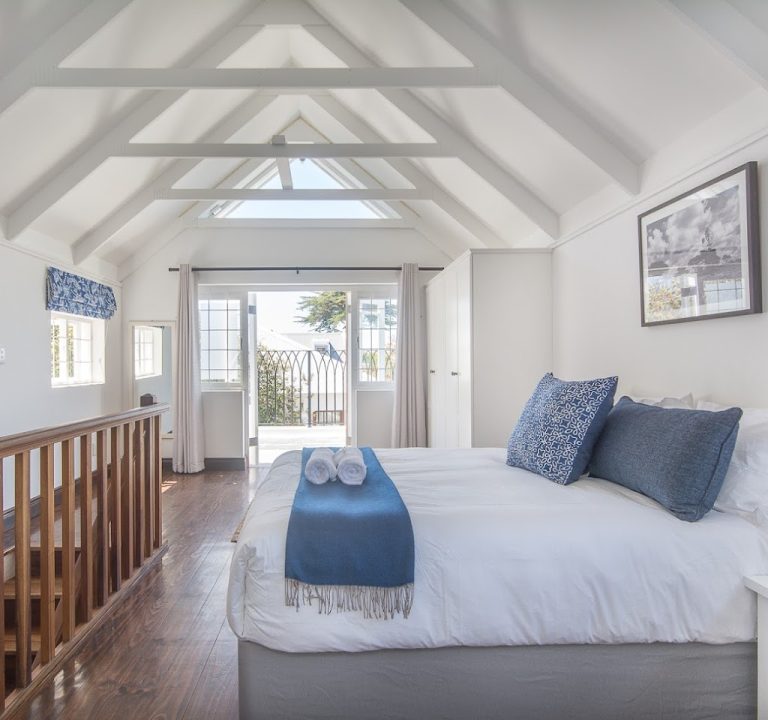
Typical amenities at self-catering properties in Cape Town include fully equipped kitchens or kitchenettes, comfortable living spaces, and private or communal outdoor areas. For Charming Rosmead Cottage, guests typically expect conveniences that support a relaxed, home-from-home experience—such as a well-equipped kitchen, comfortable beds, and clear guidance on local shops, markets, and eateries. A good host or property manager will provide practical information about neighbourhood safety, distance to the city centre, and recommended day trips.
Transport in and around Cape Town is a practical consideration for travellers. The city offers public metro and bus networks, ride-hailing options, and scenic drives along the coast. If you prefer to explore beyond the immediate neighbourhood, renting a car gives you maximum flexibility for day trips to the Cape Peninsula, the Cape Winelands, and nature reserves. When staying near major routes or the city centre, plan for traffic at peak times and give yourself a little extra time for popular viewpoints and attractions. For visitors who want to blend city life with nature, a carefully timed itinerary that balances mornings in the city with afternoon trips to scenic coastal or mountain viewpoints usually yields the best experiences.
Best time to visit Cape Town depends on what you want from the trip. Spring (September to November) and autumn (March to May) bring mild weather and fewer crowds, ideal for outdoor activities such as hiking, coastal walks, and winery visits. Summer (December to February) is lively, with long daylight hours and plenty of outdoor events, but popular beaches and attractions can be busier. Winter (June to August) is cooler and wetter, yet quiet periods and interior sights such as museums, markets, and food experiences can be especially appealing. Pack layers to adapt to changing conditions and remember that coastal winds can be persistent even on sunny days.
Accommodation planning also benefits from a balanced approach to experiences. Cape Town offers a wealth of attractions that span natural beauty, culture, cuisine, and history. Outdoor enthusiasts can enjoy panoramic hikes and viewpoints, while food lovers can explore markets, contemporary restaurants, and casual bistros. For those who enjoy heritage and culture, museums and galleries provide compelling context to the city’s diverse communities. Dining options range from casual cafés with local produce to refined eateries that celebrate regional flavours. When budgeting, consider that many self-catering properties place you in convenient locations to explore a mix of neighbourhoods, reducing the need for expensive meals out every day while still offering opportunities to enjoy varied dining experiences at different venues.
Practical tips to ensure a smooth stay include arranging a flexible arrival plan in case of travel delays, keeping a small emergency kit, and familiarising yourself with the local neighbourhood’s safety tips and public transport options. Before you book, review guest feedback for honest insights about noise levels, neighbourhood character, and proximity to attractions. If you are visiting with friends or family, confirm sleeping arrangements and the availability of common spaces for gatherings or relaxed evenings in. Finally, a short, well-planned itinerary can help you balance downtime at Charming Rosmead Cottage with day trips and experiences that showcase Cape Town’s distinctive blend of mountains, sea, and urban energy.