Stay, explore and savour: a guide to accommodation and experiences in Cape Town
Cape Town blends natural beauty with a thriving mix of neighbourhoods, cuisine and culture. Whether you’re seeking a tranquil seaside escape, a central base from which to explore Table Mountain and the V&A Waterfront, or a leafy retreat with easy access to the Constantia wine routes, there are welcoming options to suit every traveller. When planning a stay, consider both the vibe of the area and the practicalities of transport, parking and access to the city’s iconic sights.
Areas to consider for your stay. The City Bowl (including the historic centre around the Theatre District) offers convenient access to museums, restaurants and nightlife, with easy links to the cable car and the Company’s Garden. The Atlantic Seaboard, from Sea Point to Camps Bay, provides dramatic ocean views, promenades for long walks and a slightly more relaxed pace. The suburb of De Waterkant is compact, with a distinctive mix of Victorian lanes and modern eateries, handy for exploring the central attractions. For a more authentic Cape experience, Kalk Bay, Muizenberg and Hout Bay deliver a charming coastal character, with market stalls, coffee shops and easy access to the False Bay coast. Constantia and Kirstenbosch offer a green escape just a short drive from the city and are ideal for guests seeking tranquillity and easy access to wine farms and hiking trails.
What to look for when you book. Prioritise light, good airflow and secure entry in hot or humid seasons. A well-equipped kitchen or kitchenette is useful for longer stays, while reliable heating or cooling helps across the year. Check for on-site parking, since on-street spaces can be scarce in busy districts. If you’ll be leaving early for day trips, an arrangement for pet-friendly rooms or late check‑ins can be invaluable. Read recent reviews to gauge consistency in cleanliness, quiet hours and responsiveness of hosts or managers. If you’re planning a coastal stay, confirm whether the accommodation offers easy access to the beach or a way to reach the nearest swimming or surfing spots without steep climbs.
Typical amenities that travellers value. Comfortable beds with quality linens, a well-equipped kitchen or kitchenette, and a reliable Wi-Fi connection are essentials for many. A private or semi-private outdoor space—balconies, terraces or courtyards—enhances post‑day relaxation, especially after exploring the city’s outdoor attractions. A well-lit workspace is a bonus for those combining travel with remote work. For families or groups, check for multiple bedrooms and adequate bathroom provisions. Some venues offer optional services such as housekeeping at a modest extra cost, a welcome basket, or parking permit arrangements for surrounding streets.
Transport and getting around. Cape Town is best explored with flexible transport options. In the City Bowl and nearby precincts, rideshares or taxi services are convenient, but having a car makes day trips to the Winelands, Cape Point or the Cape Flat attractions straightforward. If you don’t plan to drive, look for stays near main bus routes or a MyCiTi bus stop, which links popular sights to central hubs. The local tram or coastal rail lines provide scenic options for certain routes, while pedestrian-friendly streets in central areas invite easy walking to markets and viewpoints. For guests staying in Kalk Bay or Muizenberg, the R45 and coastal roads connect with the Constantia valley, the city’s southern suburbs and the surrounding nature reserves.
Best time to visit and practical planning tips. Cape Town’s climate is Mediterranean: summers (December to February) are warm and dry, with popular outdoor activities and beaches, but peak crowds can mean busier streets and higher prices. Shoulder seasons (late spring and early autumn) offer milder weather and quieter experiences. Winter (June to August) brings cooler, wetter days; it’s a fine time for wine tasting, indoor dining and exploring museums. Always check for seasonal road works or weather advisories that might affect sea routes or mountain access. Pack layers, sun protection, a comfortable pair of walking shoes and a reef-friendly sunscreen for coastal days. If you plan to hike or visit nature reserves, start early to beat crowds and enjoy cooler temperatures in the morning light.
What to do and where to eat—general notes. Capable of surprising variety, Cape Town’s dining scene ranges from modern eateries offering contemporary South African cuisine to cosy bistros with global influences. For visitors, it’s common to pair a nature excursion with a casual lunch by the sea, followed by an evening meal in a historic district or harbourside venue. Iconic attractions—such as a scenic cable car ride, a stroll along the waterfront, or a walk up to viewpoints overlooking the Atlantic—provide memorable experiences without the need for expensive tickets. When planning meals, consider trying a mix of casual coffee spots with light lunches and several evenings in diverse neighbourhoods to taste a range of culinary styles. For more information on the city’s attractions and practical visitor tips, you can explore official travel resources and hotel or guesthouse websites for suggested itineraries and dining ideas.
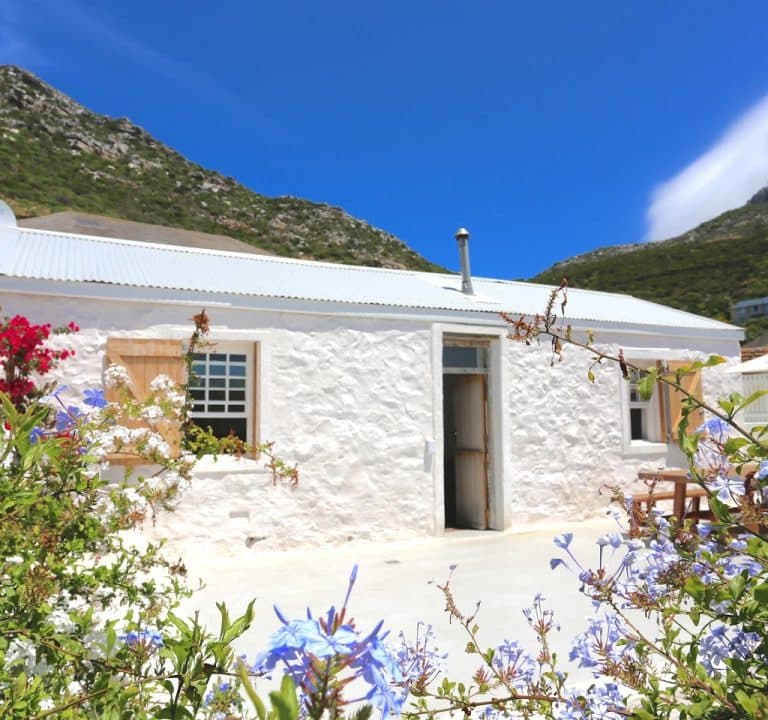
If you are seeking a stay with a distinct local flavour, Starlet Holiday Accommodations in Kalk Bay offers a coastal base characterised by a relaxed, indoor-lodging vibe. It can be a practical choice for travellers who want easy access to the False Bay coastline, the seaside village atmosphere, and day trips along the southern peninsula. For bookings and further inspiration, consider visiting the property’s site or related travel portals to compare options and read current guest feedback.