Accommodation in Cape Town: Where to stay and what to plan for a memorable visit
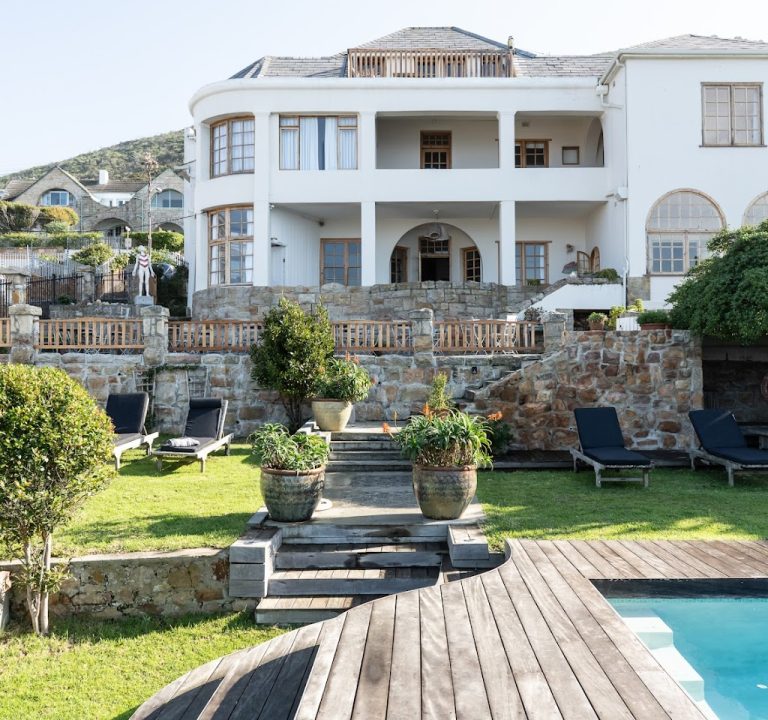
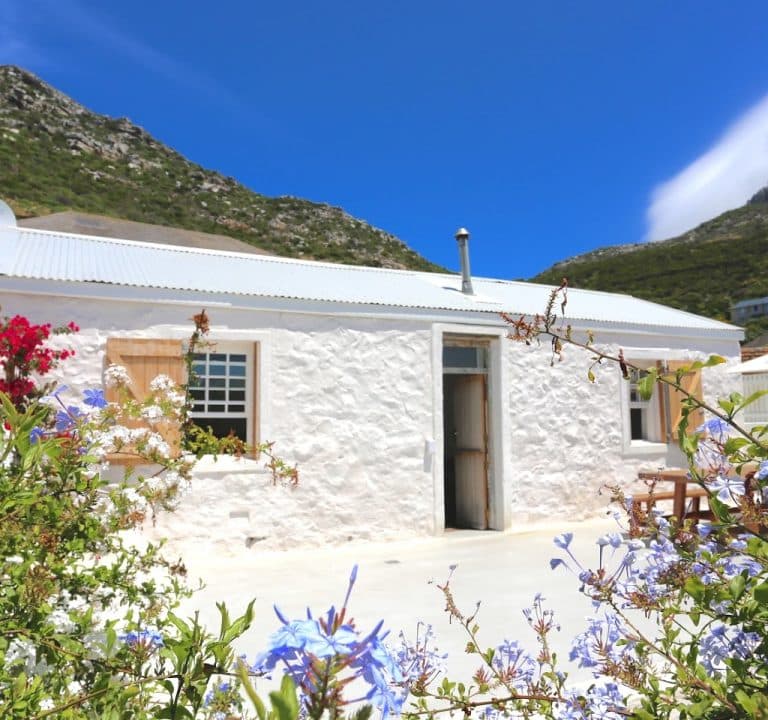
Cape Town offers a diverse range of places to stay, from modern apartment blocks with excellent city views to intimate guesthouses tucked into leafy neighbourhoods. When choosing accommodation, consider the rhythm of your days: whether you want doorstep access to buzz and harbour sights, or a quieter base from which to explore the Western Cape’s wine country and coastal trails. The Quays and Majestic Village are examples of indoor lodging options that can suit different travel styles, from families seeking space to solo travellers looking for a central, conveniently equipped retreat.
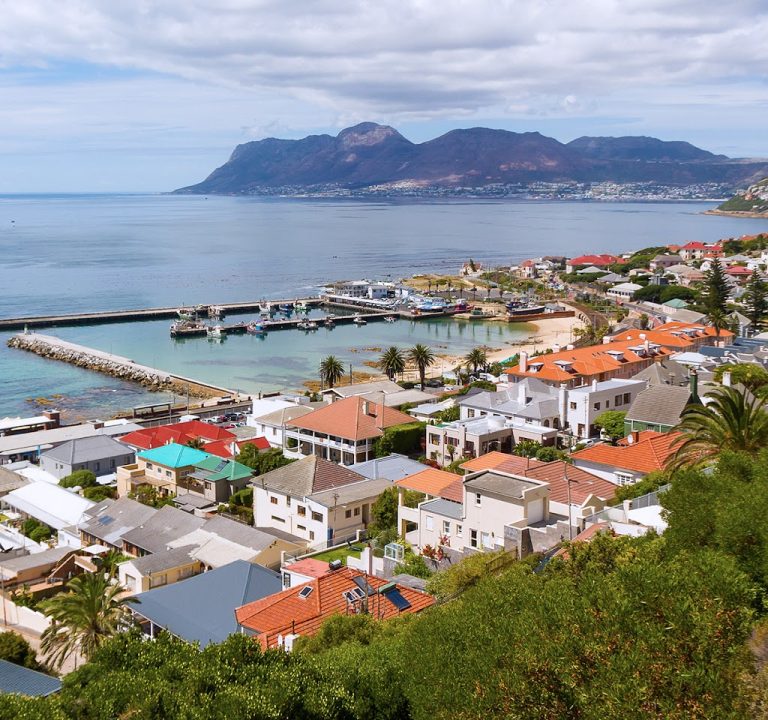
Key areas to consider include the City Bowl for easy access to historic corners, museums, and vibrant dining scenes; the Atlantic Seaboard and Camps Bay for dramatic sea views and beaches; Green Point and V&A Waterfront for a coastline-forward stay with streamlined transport links; and the Southern Suburbs or Constantia for a more relaxed, nature-rich escape with wine estates nearby. If you’re planning day trips to the Cape Winelands, consider staying closer to Stellenbosch or Franschhoek for longer, slow mornings and easy access to wine estates. For a lower-key, residential ambience, neighbourhoods such as Observatory or Kalk Bay offer characterful stays a short drive from the city centre.
When booking, look for practical amenities that fit your itinerary. A well-equipped kitchen or kitchenette is useful for longer stays; reliable Wi‑Fi is essential for remote work or planning days on the go; secure on-site parking helps if you hire a car; and air conditioning or heating is valuable given Cape Town’s varied climate. Some properties provide in-room safes, laundry facilities, or flexible check‑in arrangements. If you plan to self-cater, check what kitchenware is supplied and whether you’ll need to bring basics such as tea, coffee, and cleaning supplies.
Transport in and around Cape Town is straightforward but varies by area. The MyCiTi bus network covers many central routes, while Uber and other ride-hailing services are widely used for short trips along the Atlantic Seaboard and to Table Mountain’s base. If you prefer independent travel, staying with in-built parking can be convenient, particularly if you intend to explore the Cape Peninsula and the surrounding countryside by car. Some properties arrange airport transfers or have partnerships with local tour operators for day trips, which can simplify planning after long flights.
Best time to visit Cape Town depends on what you seek. Summer (December to February) brings long days, sea temperatures that make swimming pleasant, and a lively outdoor scene. Autumn (March to May) offers mild weather and fewer crowds, while spring (September to November) brings blooming flora and shoulder-season calm. Winter (June to August) is cooler and wetter, but offers dramatic coastal storms, fewer tourists, and value lodging options. No matter the season, early mornings offer the best light for Table Mountain and the surrounding natural beauty. Plan ahead for popular activities such as cable car rides up the mountain, scenic coastal drives, and wine-tasting at nearby estates, and be prepared for occasional showers in the shoulder months.
Attractions you may enjoy include sweeping harbour vistas, nature reserves, and iconic viewpoints. Coastal walks and mountain trails let you appreciate the scenery at a relaxed pace, while cultural institutions and historic streets reveal Cape Town’s layered heritage. Family-friendly beaches and penguin colonies provide a mix of wildlife and leisure, though some sites are weather-dependent and may have seasonal accessibility. For a well-rounded visit, combine time in the city with a day trip to the Cape Peninsula, the Cape Winelands, or the Cape Flats’ broader nature routes. If you prefer curated experiences, seek guided tours that offer a balance of history, cuisine, and scenery, with an emphasis on responsible tourism and local insights.
Dining in Cape Town ranges from casual eateries serving fresh seafood and seafood-led menus to sophisticated restaurants highlighting Cape Malay spice, Afrikaans-influenced fare, and modern fusion cuisines. In many areas, you’ll find markets and street-food hubs that celebrate local produce, as well as well-established restaurants offering tasting menus and relaxed bistros. When selecting places to dine, consider proximity to your lodging, the atmosphere you want for the evening, and whether reservations are advisable, especially in peak season. Most venues publish menus online and provide contact details for reservations or information, with the safety and comfort of guests in mind.
Practical tips for a smooth stay:
- Book accommodation with a clear cancellation policy and transparent housekeeping arrangements, particularly for travel in peak seasons.
- Check access to public transport routes or parking, and confirm any entry requirements or security measures for the property.
- Plan a flexible itinerary that balances outdoor activities with indoor evenings in case of weather changes.
- Pack layers to adapt to Cape Town’s microclimates, especially if you plan early morning or evening excursions.
- Arrive prepared with a map or digital guides, and keep local currency handy for markets and smaller venues.
For further inspiration and practical planning, you can explore regional tourism sites or the official Cape Town travel resources online. A well-chosen base in Cape Town makes it easy to enjoy the scenery, cuisine, and hospitality that define this distinctive corner of the Western Cape.