Durban, KwaZulu-Natal: A guide to accommodation, attractions and practical travel planning
Durban sits along the coast of KwaZulu-Natal with a subtropical climate, a lively waterfront, rich cultural heritage and easy access to both modern amenities and natural escapes. When planning a stay, start by thinking about the area that will best suit your interests, the type of accommodation you prefer, and how you like to get around. Durban offers everything from bustling city stays to tranquil lodge retreats close to the coast or inland reserves.
Key areas to consider for accommodation include the beachfront precincts and the broader Berea, which offer a lively mix of hotels, guesthouses and boutique stays with easy access to the coast, promenade walks and a range of dining options. North Beach and the Golden Mile are popular for those who want ocean views, simple sea-front access and proximity to beaches and family-friendly activities. If you prefer a quieter base with quick access to nature and wildlife, the inland or hillier parts of the region offer lodge-style options set among greenery, with comfortable rooms and a more relaxed pace.
When choosing where to stay, consider a few practical factors. Booking well in advance is wise during peak seasons and school holidays. Look for properties with secure parking, reliable housekeeping schedules, and flexible check-in arrangements. If you will be driving, verify on-site parking or nearby public options. For guests relying on transport links, proximity to major routes, airport access and taxi or rideshare availability can influence the convenience of your itinerary.
Typical amenities across Durban’s accommodation spectrum include en-suite bathrooms, air conditioning or ceiling fans, free Wi-Fi, and options for breakfast inclusion. A growing number of properties offer self-catering facilities, which can be handy for families or travellers who enjoy a flexible schedule. For those seeking a touch of local character, boutique guesthouses and lodges may provide curated decor, lounge spaces, and access to on-site staff who can offer personalised recommendations for places to eat and things to do.
Transport in Durban is manageable with several practical options. The city is served by a network of taxis and ridesharing services, and many guesthouses and hotels offer local shuttle arrangements. If you plan to explore beyond the immediate coastline—such as wildlife reserves or inland scenery—renting a car provides the greatest flexibility. For day trips, consider scheduling a mix of coastal experiences and inland excursions to balance time between beach days, markets, cultural heritage sites and nature reserves.
Best time to visit Durban is guided by the climate and local events. The summer months (roughly November to March) are warm and humid, with afternoon showers possible. Winter (June to August) is drier and milder, making outdoor activities more comfortable, particularly for beach walks and garden visits. The shoulder seasons can bring fewer crowds and pleasant conditions for exploring museums, markets and scenic drives along the coast. If you are enthusiastic about conferencing or special events, check local calendars ahead of your trip to align accommodation and experiences with any big gatherings.
Durban offers a broad spectrum of activities to appeal to different interests. For beach lovers, long beachfront walks, swimming and surf-friendly stretches are common highlights. Families and curious travellers often enjoy scenic promenades, markets with regional crafts and street-food stalls, and museums that celebrate the city’s maritime and cultural heritage. Nature lovers can plan visits to coastal reserves and nearby parks to observe birdlife and local flora. Food enthusiasts can expect a lively dining scene focused on fresh seafood, South African staples and cosmopolitan influences, with a range of casual eateries and more refined restaurants to suit occasions.
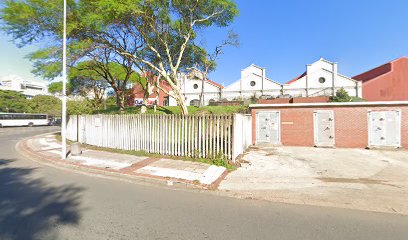
Accommodation choices can be described broadly as hotels, guesthouses, and lodges. A lodge-style option such as Spread Eagle Lodge represents one of the quieter, more relaxed stay experiences that some visitors favour, offering a comfortable base with a more intimate atmosphere and often closer access to nature or scenic settings. When booking, ask about room configurations, on-site dining, and any guided activities or tours the property can arrange. Inquire about laundry facilities, secure storage for valuables, and accessibility features if these are important for your itinerary.
To make the most of your stay, plan a mix of rest days and active days. Map out a rough sequence of beach time, cultural sites, dining experiences, and scenic drives. Build in flexibility for weather changes or spontaneous recommendations from hosts, concierge desks, or neighbours. A simple packing checklist can help: comfortable walking shoes, sun protection (hat, sunscreen, sunglasses), light layers for cooler evenings, and a compact umbrella for showers. For evenings out, a light jacket or cardigan is handy in cooler coastal breezes.
- Check reviews for recent guest experiences, focusing on cleanliness, service, and location.
- Confirm what is included in breakfast or other meals and whether there are self-c catering options available.
- Ask about parking arrangements, security features, and late-check-in possibilities.
- Seek local tips for safe neighbourhoods, best markets, and recommended eateries that suit your tastes.
Durban is a destination that rewards a well-planned stay with a balance of coastal leisure, cultural discovery, and accessible nature. By choosing the right neighbourhood, checking essential amenities, and organising transport in advance, you can craft a satisfying itinerary that makes the most of the city’s warmth, hospitality and varied attractions. Whether you choose a seaside hotel, a cosy guesthouse on a leafy lane, or a lodge tucked into the countryside, Durban offers comfortable bases from which to explore, relax and enjoy the KwaZulu-Natal experience.