Durban: accommodation, attractions and practical planning for visitors
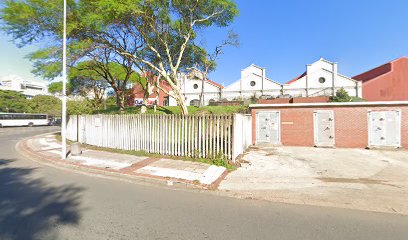
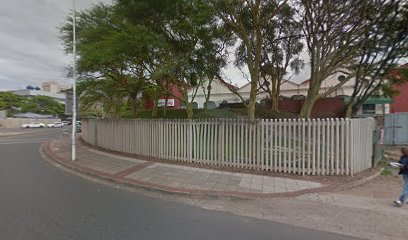
Durban, in KwaZulu-Natal, offers a warm welcome amid a subtropical coastal setting. When planning a stay, think about the mix of beaches, modern conveniences and historic neighbourhoods that define the city. Durban has a range of accommodation options, from intimate guest houses to mid‑range hotels and self‑catering apartments, many with easy access to the coast and major attractions. A stay at a guest house such as Longacre Bed & Breakfast can provide a personal, home-from-home feel, with hosts who can offer local tips and guidance on the best ways to structure your visit.
Areas to consider when booking include the Golden Mile and North Beach, which provide direct access to the sea, promenade walks and a lively pace. If you prefer a quieter base with leafy streets and convenient amenities, consider inland neighbourhoods such as Morningside or Greyville, which are well connected to the city centre and the airport via reputable taxi services or ridesharing. For a cosmopolitan beachfront atmosphere with a strong dining scene, Umhlanga Rocks and the surrounding stretch offer a more laid‑back holiday vibe with newer accommodation and easy access to the regional highway network.
When choosing where to stay, think about transport links and proximity to your planned activities. Durban is serviced by a network of taxis, rideshares and a MyCiTi bus system that helps connect coastal and inland areas. If you plan day trips, a guest house or hotel with parking, assistive staff and clear information on local routes can make a big difference to the pace of your visit. Some properties also offer guidance on organised day tours or excursions to nearby game reserves or coastal highlights, which can be a practical way to experience the region without arranging every detail yourself.
Typical amenities to look for include secure parking, reliable Wi‑Fi, air conditioning or fans for the subtropical heat, and clean, comfortable communal spaces for socialising or preparing light meals. A modest kitchenette or access to a shared lounge can be handy if you prefer a flexible schedule. In many Durban properties, breakfast is a popular inclusion, with options ranging from continental to cooked dishes. If you have specific needs—such as accessibility, pet-friendly policies, or dietary requirements—check the property’s policy page or reach out to confirm in advance.
Best time to visit Durban hinges on weather and crowds. The city enjoys warm, sunny conditions for most of the year, but the peak beach season runs from late spring to early autumn. The winter months are milder and often more comfortable for strolling along the promenade and exploring museums, markets and cultural sites. If you are planning outdoor activities, consider the rainfall pattern and coastal breezes, especially during the summer thunderstorm season. Planning a balance of indoor and outdoor activities helps to make the most of a stay, irrespective of the time of year.
Durban’s attractions span beaches, sea life and cultural experiences. A day by the harbourfront and the adjacent entertainment precinct can include strolling the promenade, visiting bayside parks and exploring family‑friendly venues. Inland, historical sites and museums offer context on the city’s diverse heritage. For dining, Durban’s food scene blends coastal influences with traditional South African fare, offering a range of casual eateries and more refined options. Many visitors enjoy sampling local seafood, fresh produce markets and international‑style restaurants along the beachfront and in popular residential districts.
To help you plan a balanced itinerary, consider a few core anchors: a relaxed beach morning, a museum or cultural attraction in the afternoon, and a restaurant or market evening to end the day. If you are staying in a guest house such as a Longacre‑style property, lean on the host for personalised tips about safe walking routes, current recommendations and potential day trips to nearby coastal towns or nature reserves. In busy periods, book accommodation and any essential activities well in advance to secure preferred dates and room types.
Practical tips for a smooth stay in Durban:
- Check the proximity of your accommodation to the areas you plan to visit regularly, to minimise transport time.
- Ask about secure parking and 24‑hour reception if you expect late arrivals or early departures.
- Pack lightweight clothing for daytime heat, a light jacket for coastal breezes and a hat for sun protection.
- Respect local customs and be mindful of safety in unfamiliar neighbourhoods, especially after dark.
- Carry a basic map or offline navigation on your phone, as some areas may have limited mobile reception.
When booking, read guest reviews for insights into cleanliness, staff responsiveness and how well the property manages guest expectations. Look for listings that clearly outline the amenities you need, whether that is breakfast inclusion, ensuite facilities, or accessibility features. Finally, keep a flexible mindset and allow time to discover Durban’s varied experiences—the city’s energy often reveals itself through the people you meet, the markets you explore and the stories you hear while wandering its streets and shores.